Is Punta del Este Expensive?
January in Punta del Este and March in Punta del Este are two different price environments wearing the same postcard. Here is what actually costs money here, and what does not.
Is Punta del Este expensive?
Yes and no, and the difference is almost entirely the month you pick. In January, Punta del Este is one of the pricier beach destinations in South America and behaves like a full-capacity resort. In November, March or April the same coastline, the same beaches and the same tours cost noticeably less and feel like a different town.
That single mechanic explains most of the contradictory advice you will read. Someone who came for New Year and someone who came in late March are describing two different price environments, and both are telling the truth. The buildings do not change. Demand does, and on a peninsula with a finite number of beds and tables, demand is the whole story.
The second thing worth separating is what is genuinely expensive here from what is merely priced in dollars and therefore feels expensive to visitors used to cheaper South American countries. Uruguay is not Bolivia or Peru on cost. It is also not Monaco, whatever the marketing says. Our own read, from the operators we work with, is that the resort sits in the upper-middle band for the continent, with a summer spike on top.
Why does the price swing so much between January and March?
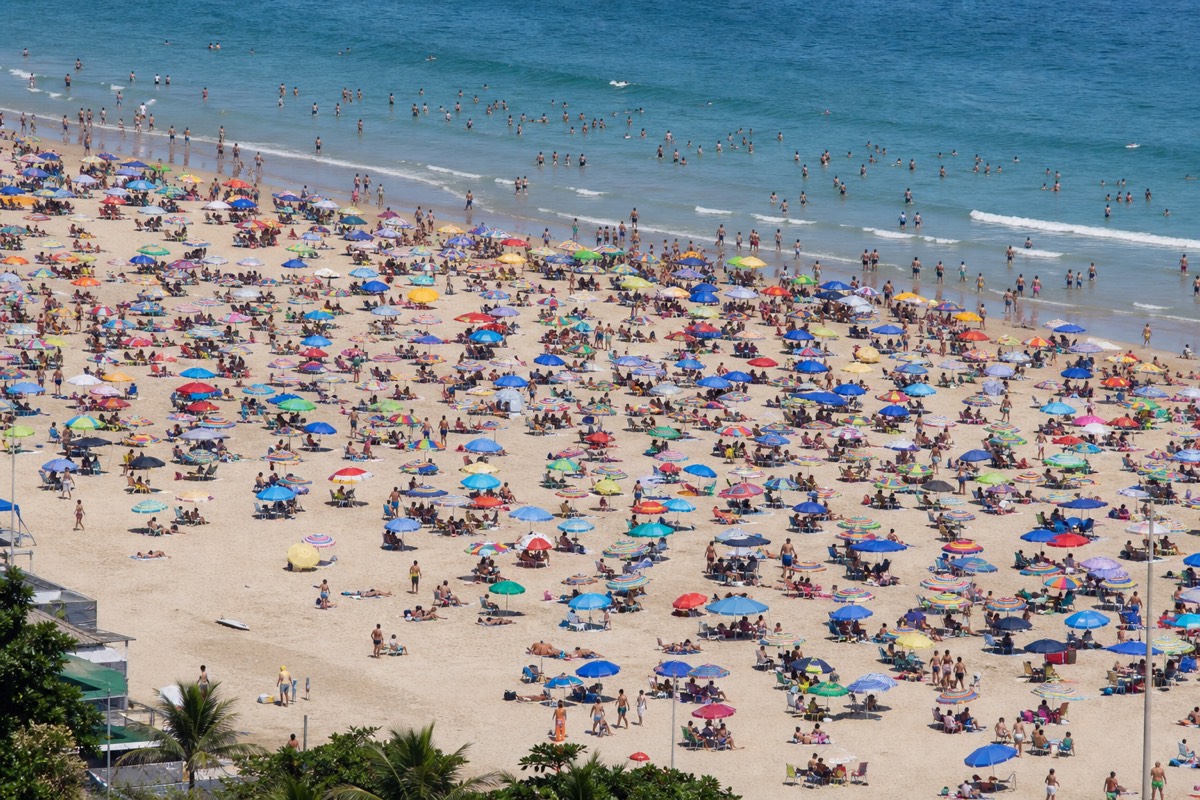
Punta del Este runs a compressed season. December through February is when Argentina and Brazil take their summer holidays simultaneously, and the entire coast fills. The shoulder months of November, March and April offer milder prices and thinner crowds while the beach and wine experiences stay entirely viable, which is why we push them.
The mechanism is simple supply and demand on a fixed footprint. The peninsula cannot add hotel rooms in December. Restaurants cannot add tables. Drivers cannot add vehicles. So when several million people across the Rio de la Plata decide to take the same three weeks off, everything with a fixed supply reprices upward, and everything with elastic supply, meaning seasonal staff and pop-up trade, appears to absorb the rest.
March is the month we recommend most often. The water is still warm enough to swim, the light is good, the crowds have gone home with the Argentine school year, and the whole apparatus of the town is still running. November works similarly from the other direction, with the season warming up rather than winding down. Our fuller treatment of that trade-off lives in the guide to picking the right month.
What you give up in shoulder season is the spectacle. If the thing you actually want is the January version, the crowded beaches, the late restaurants and the full social machinery, then paying peak rates is buying the product rather than overpaying for it. Our notes on the summer night scene set out what that peak version really involves.
What do the tours actually cost?
Tour pricing is the one cost line we can give as hard numbers, because these are our own live listings. Day tours from Montevideo start at $49 per person for nine hours in a small group. Private days sit between $169 and $280 per group, and wine days run $200, all at the time of writing.
| Experience | Duration | Format | Price at the time of writing |
|---|---|---|---|
| Montevideo to Punta del Este: Full-Day Guided Tour | 9 hours | Small group, shared | From $49 per person |
| Montevideo to Punta del Este Sightseeing Adventure Day Trip | 9 hours | Private | From $169 per group |
| From Montevideo: Private Luxe Punta del Este Day Tour | 10 hours | Private, up to eight | From $180 per group |
| Have It Your Way Private Tour in Punta del Este | 10 hours | Private, starts on the peninsula | From $280 per group |
| Punta Wine Lovers Tour | 4 hours | Small group, boutique winery | From $200 |
| Bodega Garzon Wine Lovers Tour | 7 hours | Private transport, estate visit | From $200 |
The arithmetic that surprises people is on the private options. A couple splitting the private sightseeing day from Montevideo at $169 per group pays less per head than two seats on the $49 shared bus, and gets door-to-door pickup and a flexible schedule with it. That inversion holds for any group of two or more, which makes the shared tour genuinely the budget option only for solo travellers.
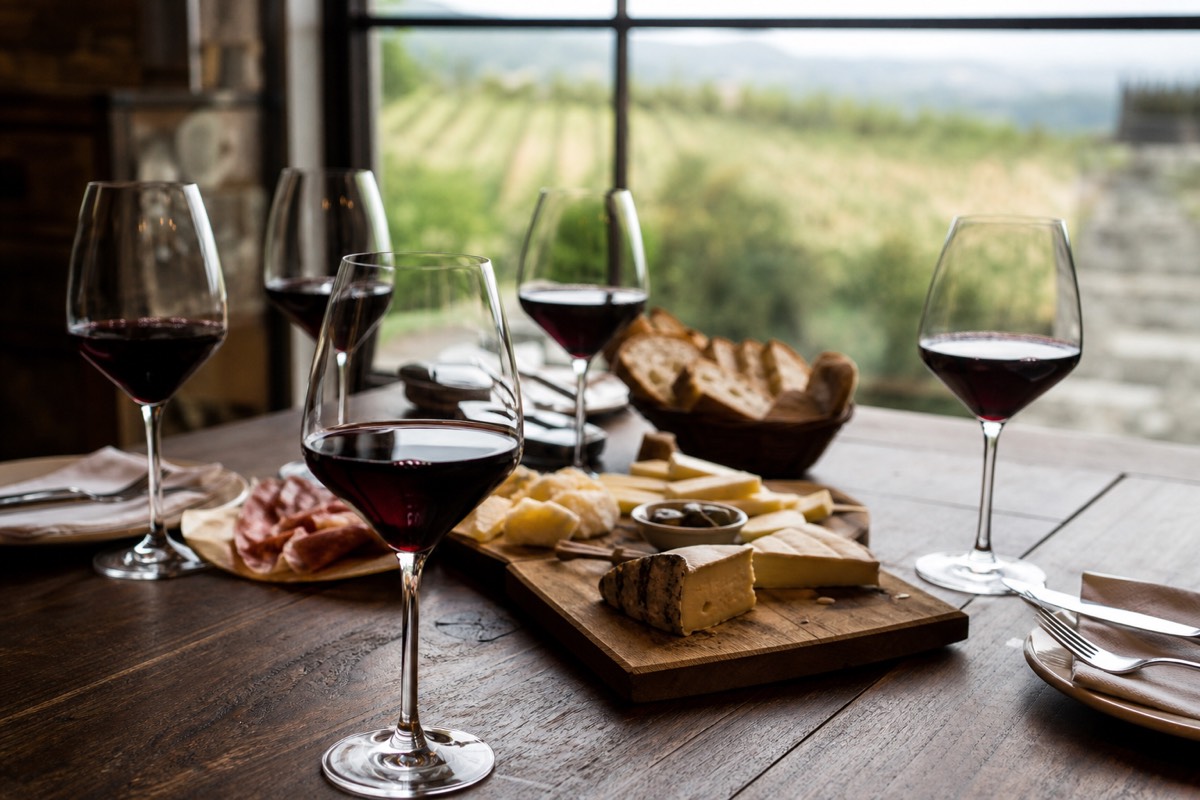
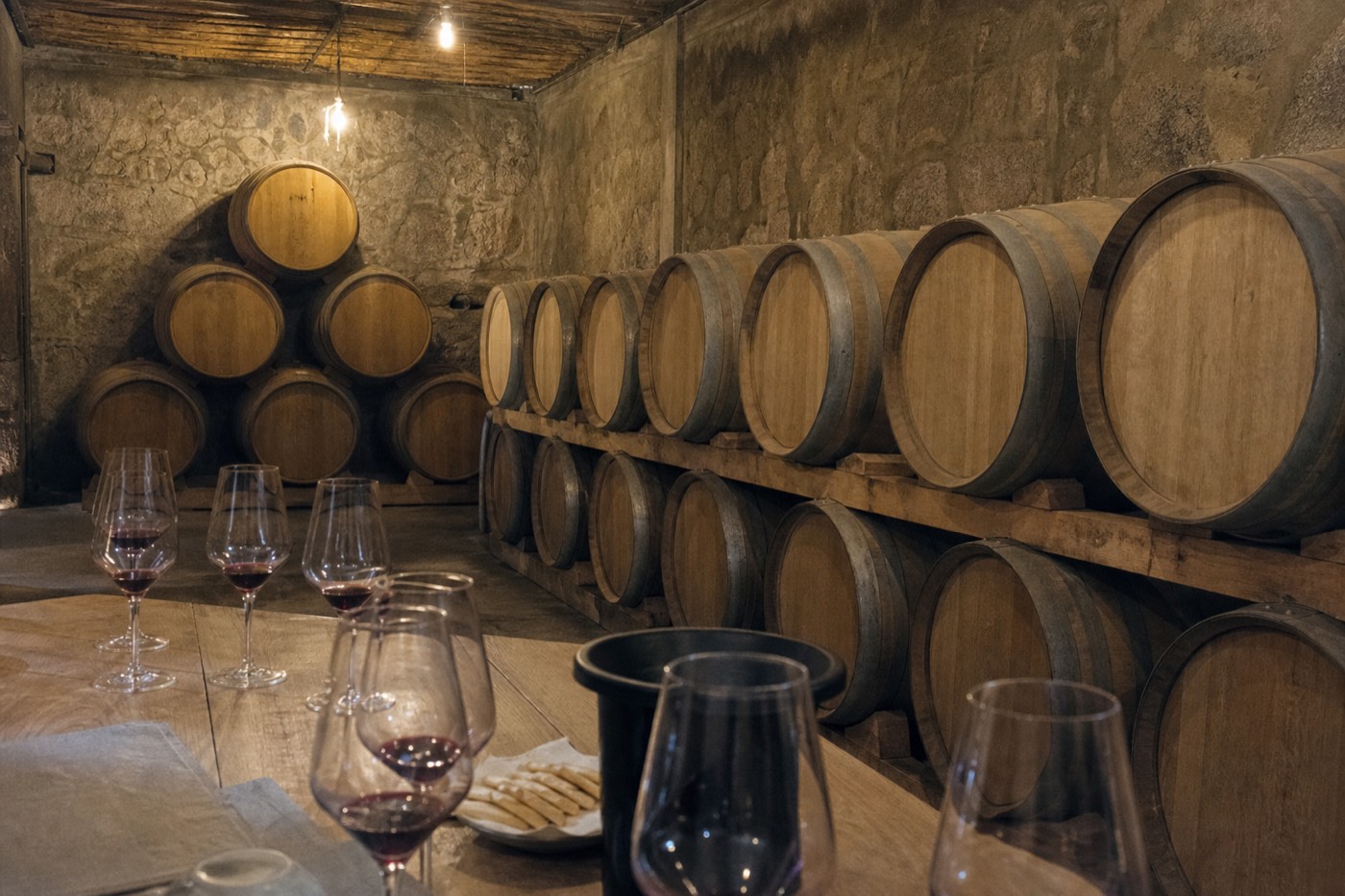
Wine days sit in their own bracket because they include transport, a guided cellar visit and the tastings themselves. If wine is the reason you came, a full day at Bodega Garzon is where the money goes furthest per hour on the estate.
Where does the money actually go on a typical visit?
For most visitors the single largest line item is accommodation, and it is the one that moves most violently by season. After that comes eating out, then activities and transport. Beaches, the sculpture, the port and the rambla cost nothing, so the sightseeing itself is rarely what breaks a budget here.
We will not publish hotel rates or restaurant averages we cannot source honestly, and any such figure would be stale within a season. What we can describe is the shape. Lodging on the peninsula in high summer is the biggest number on almost every itinerary we see, and the one that responds most to shifting your dates.
Restaurants are the second lever. The port and the peninsula carry the highest-visibility dining, and prices reflect the address as much as the plate. Move a few streets inland or eat your main meal at lunch rather than at ten at night and the daily food number changes materially without any loss of quality.
Activities are the smallest lever but the easiest to control, because they are the one category where you can see the price before you commit. That is the argument for booking the Punta del Este tours we feature in advance rather than improvising on arrival: the cost is fixed and visible before you leave home, at a point when you can still change the plan.
Recommended tours by season
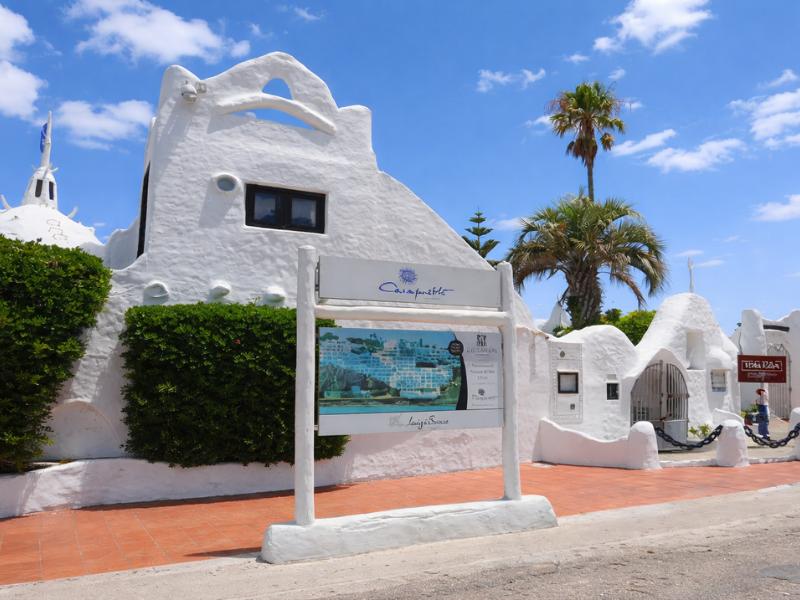
Montevideo to Punta del Este: Full-Day Guided Tour
Shared nine-hour day from Montevideo. The fit for peak summer, when a peninsula hotel is the line that moves.
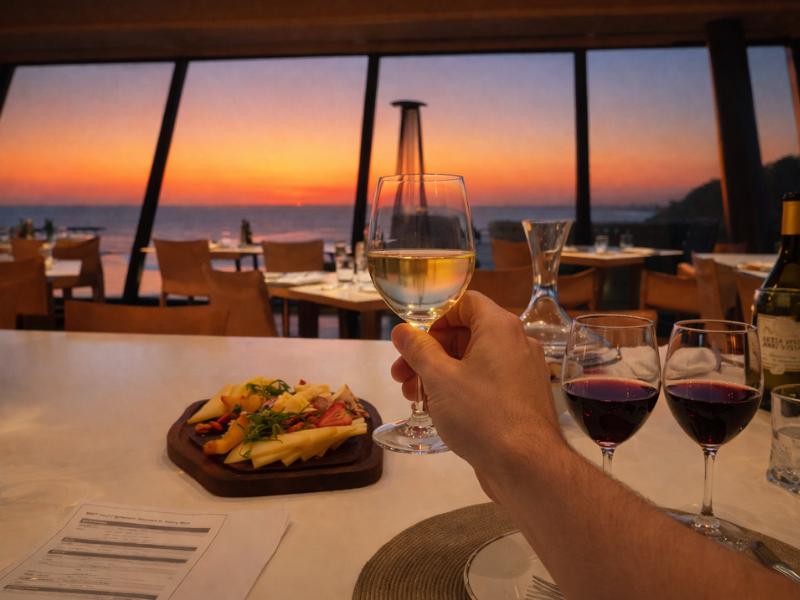
Punta Wine Lovers Tour – Exclusive Tastings & Vineyard Day
Four hours with pickup, a cellar visit and tastings. Sized for March and November, when the town is still running.
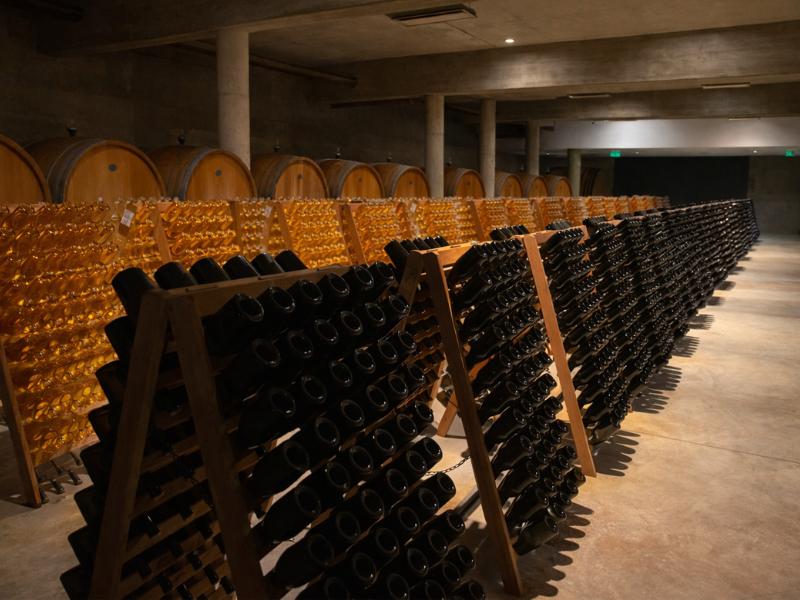
Bodega Garzón Wine Lovers Tour – Exclusive Tastings & Pairings
A seven-hour inland estate visit with private transport. The day still works when swimming is not the reason to come.
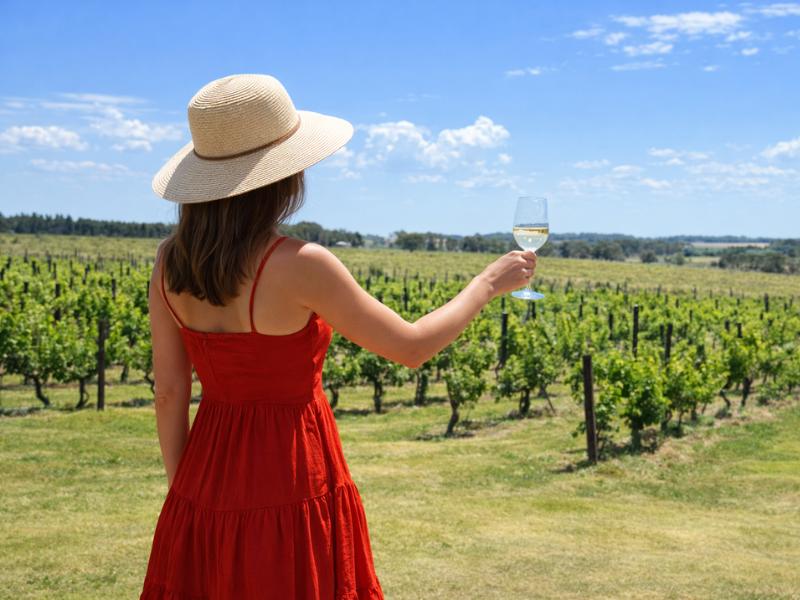
Montevideo to Punta del Este Sightseeing Adventure Day Trip
Private vehicle for the same coastal circuit. For two or more, the group price can undercut two seats on the shared bus.
How do you do Punta del Este cheaply?
Four moves do nearly all the work: come in November, March or April instead of January; day-trip from Montevideo instead of sleeping on the peninsula; take the shared group tour if you are travelling alone; and eat your main meal at lunchtime. Together they change the cost of a visit more than any amount of small economising.
The day-trip move is the biggest and the least considered. Punta del Este sits roughly 130 kilometres east of Montevideo along the Ruta Interbalnearia, about two hours by road, and a nine or ten hour tour gets you the beaches, La Mano, the port and Casapueblo and has you back in the capital for the night. You pay Montevideo prices for your bed and Punta del Este prices only for lunch. Our guide to the coastal day trips from the capital covers how those days are actually built.
Public buses run frequently between Montevideo's Tres Cruces terminal and Punta del Este and are far and away the cheapest way to cover the distance, though you should check current fares with the bus companies directly rather than trust a number printed in an article. What it saves in money it costs in guiding, the Piriapolis stop and the Casapueblo detour, the parts independent travellers skip for transport reasons.
The last lever is length of stay. Two or three nights on the peninsula in shoulder season generally costs less than one night in the first week of January.
Is Uruguay cheap for Americans?
Not especially. Uruguay is one of the more expensive countries in South America for visitors, and Punta del Este is one of the more expensive places in Uruguay. Compared with western Europe or coastal North America in summer it can still look reasonable, but travellers arriving from Peru, Bolivia or Colombia usually find it a step up.
The benchmark you bring with you decides the answer. If your reference point is a Caribbean resort week or a Mediterranean August, Punta del Este will read as fair value, especially outside January. If your reference point is backpacking the Andes, it will read as expensive, and the gap will be widest on accommodation and restaurants rather than on transport or activities.
Currency is the other variable, and we deliberately quote nothing on exchange rates because they move and any figure here would mislead. Check a live rate the week you travel, and expect card acceptance to be normal in the resort and patchier in smaller coastal villages.
Uruguay's national tourism board publishes practical visitor information in English at Uruguay Natural, which is a better source for current practicalities than any price figure we could freeze into an article.
What is genuinely free in Punta del Este?
More than most visitors expect. The beaches are public and free, La Mano on Playa Brava costs nothing and is accessible at any hour, the port and its sea lions are free to walk, and the rambla along the water is open to everyone. A whole good day here can cost you lunch and nothing else.
| What | Cost | Why it is worth the time |
|---|---|---|
| Playa Brava and Playa Mansa | Free to access | Two genuinely different coastlines within walking distance of each other |
| La Mano sculpture | Free, public artwork on the beach | The image most associated with the resort, and closer to full scale than photos suggest |
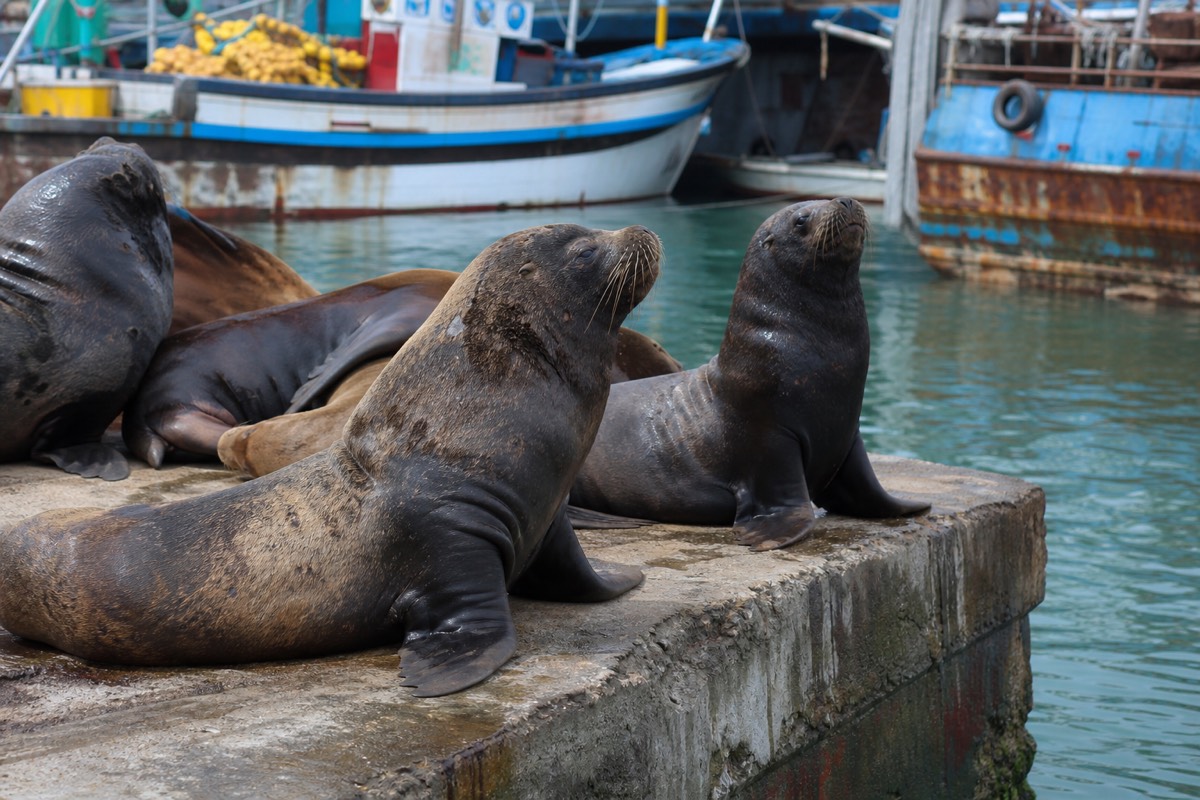
| Puerto de Punta del Este | Free to walk | Yachts, fishing boats and the sea lion colony that has colonised the dock structures |
| The rambla and Gorlero Avenue | Free | The best way to understand how the peninsula is laid out between its two coasts |
| Puente de la Barra | Free, open any day | The undulating bridge east of town, a short stop rather than a destination on its own |
| La Barra Sunday artisan market | Free to browse | Runs Sundays from mid-morning to sunset, the one day the strip is fully alive |
Casapueblo at Punta Ballena charges admission and is not in that list, but it is the single paid sight we would still argue for. Carlos Paez Vilaro built it into the cliff over decades, and the background on how it came to exist makes the visit considerably better. Plan at least ninety minutes rather than a photo stop.
Who will find Punta del Este expensive, and who will not?
Budget travellers arriving in January from cheaper South American countries will find it expensive and slightly bewildering. Couples and small groups visiting in shoulder season, splitting a private tour and day-tripping from Montevideo, generally find it reasonable and better value than the reputation suggests.
| Traveller | Verdict | The lever that helps most |
|---|---|---|
| Solo budget traveller, January | Expensive | Base in Montevideo, take the $49 shared day tour, treat Punta as a day out |
| Couple, March or November | Reasonable | Split a private day tour, which costs less per head than two shared seats |
| Family of four, peak summer | Expensive, mostly on lodging | Shift dates to late February or early March; the beaches barely change |
| Wine-focused visitor | Fair value for what is included | Book the estate day rather than assembling transport and tastings separately |
| Cruise passenger on a port day | Good value | A four-hour winery run or a fixed peninsula circuit, no accommodation cost at all |
Cruise arrivals deserve a note, because they get the best of the arithmetic. With no lodging cost, the whole visit reduces to one activity and one meal, and the boutique winery tasting day runs four hours with hotel or port pickup, tastings and artisanal snacks included, from $200 at the time of writing. Uruguay's Tannat is the reason to bother, and the grape's background explains why a country this size punches above its weight on red wine.
The last group nobody warns properly is people who booked the peninsula for a week in January expecting a quiet beach holiday. They pay peak rates for an experience they did not want. If a calm coastline is the goal, our notes on choosing a neighbourhood to stay in and on shoulder-season timing will save you more money than any discount code.