Uruguay's Wine Country Near Punta del Este: Tannat, Wineries and How to Visit
Uruguay took a grape that France found difficult and made it a national identity. The wine country behind Punta del Este is small, young and easy to visit in a day, and the choice comes down to two very different bookings.
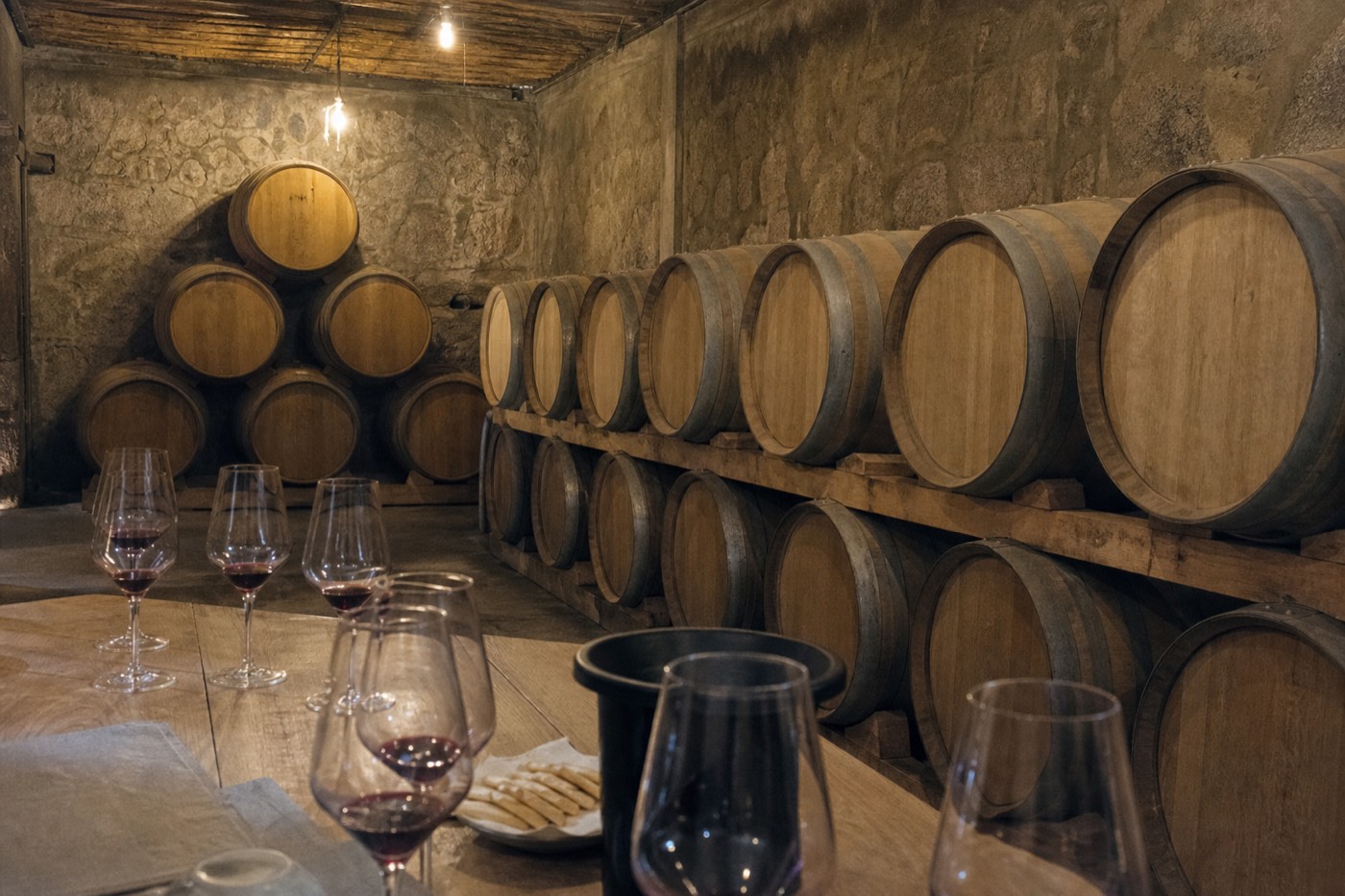
Landmark estate versus family boutique, side by side
Durations and prices are from the live listings at the time of writing and change with season and demand. Check the current listing before you plan a budget around them.
What is Tannat, and why is it Uruguay's signature red?
Tannat is a black-skinned grape from Madiran in southwest France, near the Pyrenees, that Basque settlers brought to Uruguay in the nineteenth century, particularly Don Pascual Harriague from 1870. It is now the national grape and makes up 36 percent of the country's plantings, more than three times the next variety.
The story is unusually clean for a wine origin story. A grape with a difficult reputation at home found a country where it worked better, and that country then built an identity around it. The record of the Tannat grape confirms both halves: the French Madiran origin, and the Basque introduction to Uruguay in the 1800s.
Scale keeps it honest. Uruguay produced 102,964 tonnes of wine from 9,023 hectares in 2023, making it the fourth largest producer in South America. That is small next to Argentina or Chile, and smallness is part of the character here. Most Uruguayan wineries are family-scale, most of the production is drunk domestically, and the export tier that reaches other countries is a thin slice off the top.
The two names on the same wine list, French and Uruguayan Tannat, describe genuinely different drinks. Here is what the record actually distinguishes.
| Aspect | Madiran, France | Uruguay |
|---|---|---|
| Home region | Madiran AOC, Bearn and Gascony, near the Pyrenees | Coastal and southern Uruguay, spread from Canelones |
| Arrival date | Long-established local variety | Nineteenth century, from 1870 via Don Pascual Harriague |
| Tannin | Very high, firm and structured | More elegant and softer |
| Body | Fuller | Lighter in body and lower in tannin |
| Fruit character | Raspberry aromas, ages well | Blackberry fruit notes |
| Usual blending partners | Cabernet Sauvignon, Cabernet Franc, Fer | Pinot Noir and Merlot |
What does Uruguayan Tannat taste like, and how heavy is it really?
Uruguayan Tannat is a dry red with deep colour and firm but softened tannin, showing blackberry fruit, and it is lighter in body and lower in tannin than the French original. If a French Tannat once put you off, the Uruguayan style is a different proposition and worth a second try.
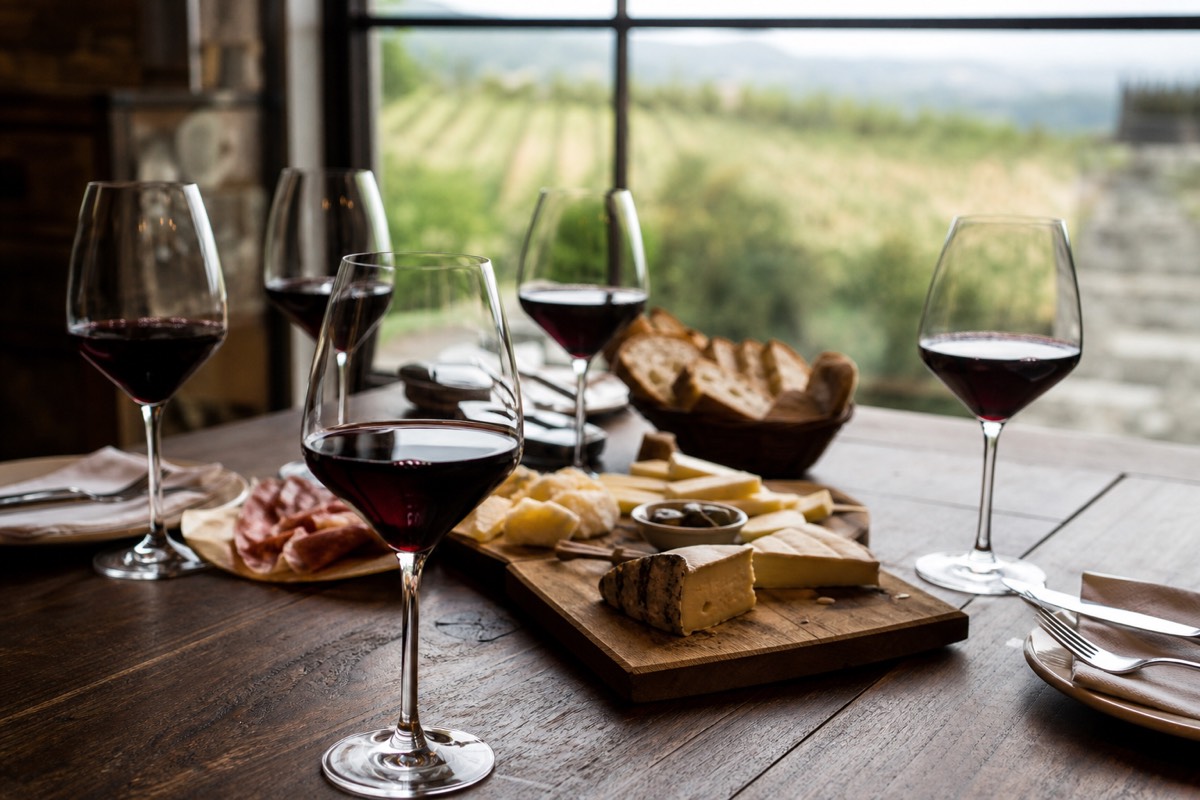
There is a specific technical reason modern Tannat is easier to drink than its reputation, and it is a good story to have in your pocket at a tasting. In 1990 a Madiran winemaker, Patrick Ducournau, began experimenting with feeding small controlled amounts of oxygen into Tannat during fermentation. That work became micro-oxygenation, now used on tannic red wines worldwide. The technique exists because Tannat was hard to tame. Every softer, rounder Tannat you drink today sits downstream of a problem that this grape created.
You will also hear a health angle, and it is worth handling carefully. The operator copy behind the small-group wine tour from Punta del Este calls Tannat the world's healthiest grape on the basis of its high antioxidant content. That is the operator's framing and a common marketing line for the variety. We repeat it as their claim, not as a medical fact, and nobody should book a wine tour as a health measure.
What the tannin actually does at the table is more useful. High-tannin reds feel drying, they clamp down on the finish, and they need either time in bottle or something fatty on the plate to open up. That is the practical link between Tannat and Uruguayan food, and the tastings around Punta del Este exploit it deliberately by pouring the reds alongside cheese rather than on their own.
What else does Uruguay grow, and what will you actually be poured?
Tannat leads at 36 percent of national plantings, followed by Merlot at 10 percent, Chardonnay at 7 percent, Cabernet Sauvignon and Sauvignon Blanc at 6 percent each, and Cabernet Franc at 4 percent. Albariño is the white that has drawn the most international attention, brought from Galicia in 1954.
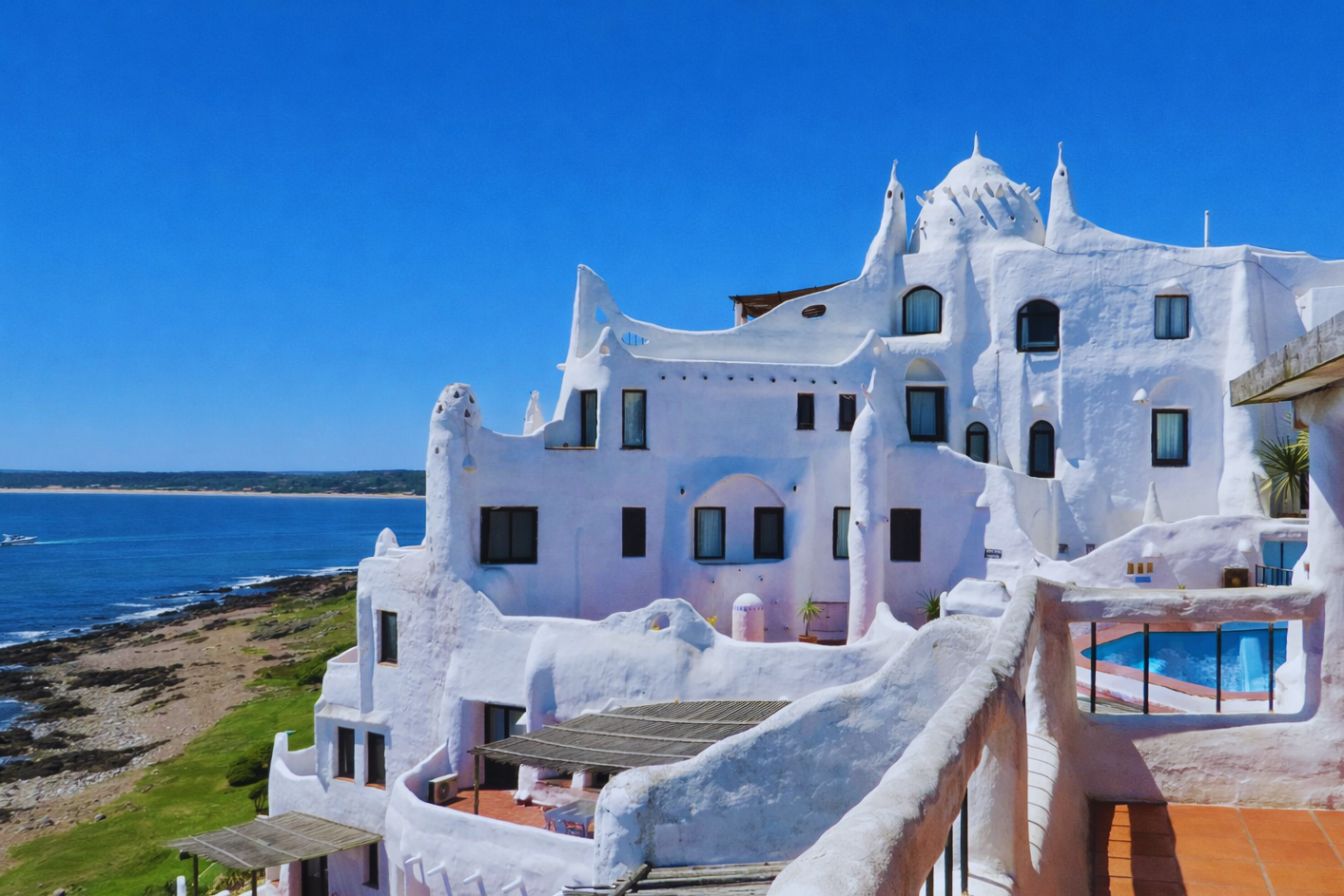
A tasting near Punta del Este will usually walk you across several of these rather than pouring Tannat five times. That is a good thing, because the contrast is what teaches you anything. The whites tend to come first, the lighter reds next, and the Tannat reserves last, which is the order most hosts run and the order that treats your palate fairly.
Albariño is the one to watch. It reached Uruguay in 1954 with immigrants from A Coruna in Galicia, northwest Spain, and Galicia is another cool Atlantic coast. A grape adapted to a maritime edge in Europe landing on a maritime edge in South America is not a coincidence, it is the logic of the whole coastal wine push here.
| Variety | Share of Uruguay's plantings | Type | Why it turns up in a tasting |
|---|---|---|---|
| Tannat | 36 percent | Red | The national grape and the reason most people book a wine day |
| Merlot | 10 percent | Red | Widely planted and used as a blending partner for Tannat |
| Chardonnay | 7 percent | White | The volume white across the country |
| Cabernet Sauvignon | 6 percent | Red | Familiar reference point next to Tannat |
| Sauvignon Blanc | 6 percent | White | Common opener in a flight |
| Cabernet Franc | 4 percent | Red | Grown at the landmark estate near Garzón |
| Albariño | Not in the top varietal shares | White | Arrived 1954 from A Coruna, now Uruguay's headline coastal white |
Why does the countryside behind Punta del Este work for wine at all?
The hinterland of Maldonado Department combines Atlantic influence, granitic soils and a cooler maritime climate than most South American wine regions. That slows ripening and holds acidity, which is why serious money moved into the area from the early 2000s despite the established industry sitting elsewhere.
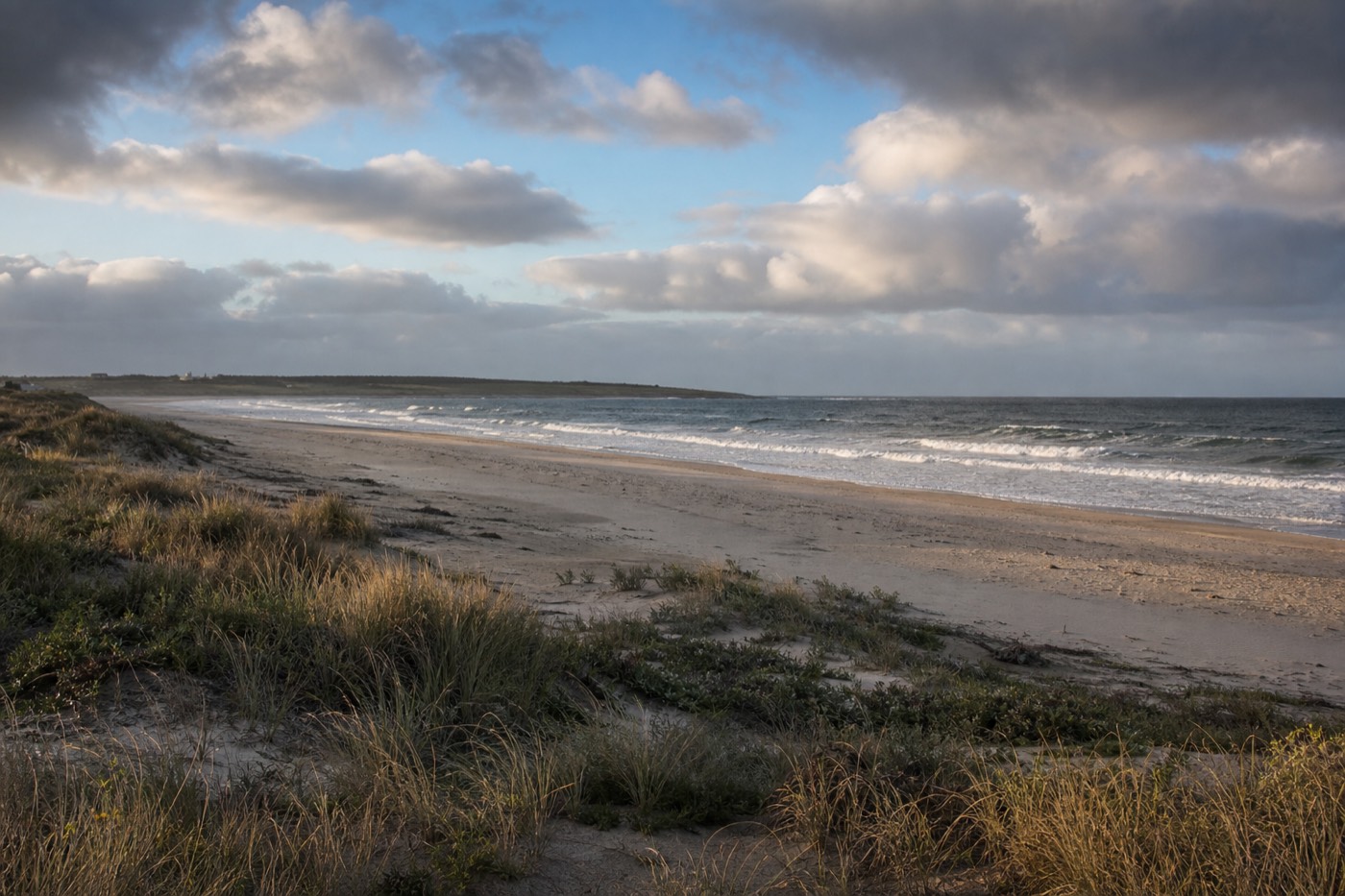
Start with the geography, because it is not obvious from a map. Uruguay's wine heartland is the belt of hills north of Montevideo, not the eastern coast. In the 2013 hectare figures reported for Uruguayan wine, Canelones held 5,046 hectares against Maldonado's 252. The region you can visit from the beach is genuinely small.
What it has instead of scale is a site argument. The land inland from the coast in Maldonado Department rolls rather than sits flat, the granite underneath gives thin free-draining soil that keeps vine vigour low, and the Atlantic is close enough to moderate summer heat. Low vigour plus a cool finish to the ripening season is the standard recipe for wines with colour and structure but without heaviness, which is precisely the modern Uruguayan Tannat profile.
| Region | Hectares under vine, 2013 figures | What that tells a visitor |
|---|---|---|
| Canelones | 5,046 | The industry heartland, north of Montevideo, not reachable on a half day from the coast |
| Montevideo | 1,073 | Historic vineyards around the capital |
| Colonia | 563 | West on the river, a separate trip entirely |
| Maldonado | 252 | The region behind Punta del Este, small and recent, which is why the visitor scene is concentrated |
| Paysandu | 172 | North, well outside any coastal itinerary |
That last row of context explains something visitors often find odd: there is no long wine route with dozens of cellar doors behind Punta del Este. There is a landmark estate, a handful of smaller producers, and tours built around one or the other. Our own site notes describe the Garzón wine area as roughly 30 km north of Punta del Este, with serious Uruguayan and international investment arriving since the early 2000s.
Which wineries can you visit from Punta del Este, and how do they differ?
Two formats cover almost every visitor. A landmark estate day runs seven hours to Bodega Garzón with private transport and about four hours on the property. A boutique tour runs four hours to a small family-run winery with hotel pickup, a guided vineyard and cellar walk, and tastings paired with artisanal cheese.
They are not competing versions of the same thing. The landmark day is architecture, scale and a restaurant. The boutique day is a working family operation you can see all of in an afternoon. Both are listed at $200 at the time of writing, and that identical headline hides the most important difference between them, which is the pricing unit.
The full-day estate run to Bodega Garzón is priced from $200 per group, so two or three people split it. The small-group boutique winery tour is from $200 per person, so a couple pays twice. Flip that around and the boutique tour is the better solo purchase, while the estate day rewards a party.
| Feature | Landmark estate day | Boutique family winery |
|---|---|---|
| Duration | 7 hours door to door | 4 hours door to door |
| Listed price at the time of writing | From $200 per group | From $200 per person |
| Start time | 10:00 pickup | 10:30 pickup |
| Pickup points | Punta del Este, La Barra, Manantiales, José Ignacio | Hotel or the Port of Punta del Este |
| Transit each way | About 1.5 hours inland | Shorter, crossing the wavy bridge into the countryside |
| Winery tour format | Group tour with an estate host, transport is private | Small group throughout with a driver and guide |
| Food included | No, lunch paid on site at the Wine Bar | Artisanal cheese and local produce with the tasting |
| Tasting | Arranged separately, often required for entry | Premium tastings included with no extra fees |
| Rating and bookings | 5 across 441 bookings | 4.9 across 630 bookings |
If neither shape fits, a private day built around your own list of stops lets you fold a shorter wine stop into a coastal itinerary instead of committing the whole day to it.
Recommended tours by season
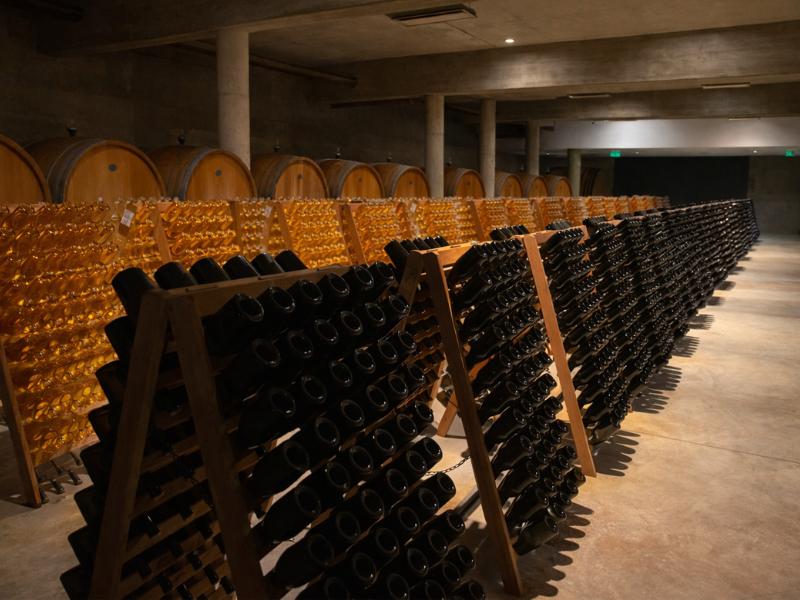
Bodega Garzón Wine Lovers Tour – Exclusive Tastings & Pairings
Seven hours with private transport and about four hours at the estate. The format that fits harvest and spring, when the vineyard is worth the longer day and a group can split the price.
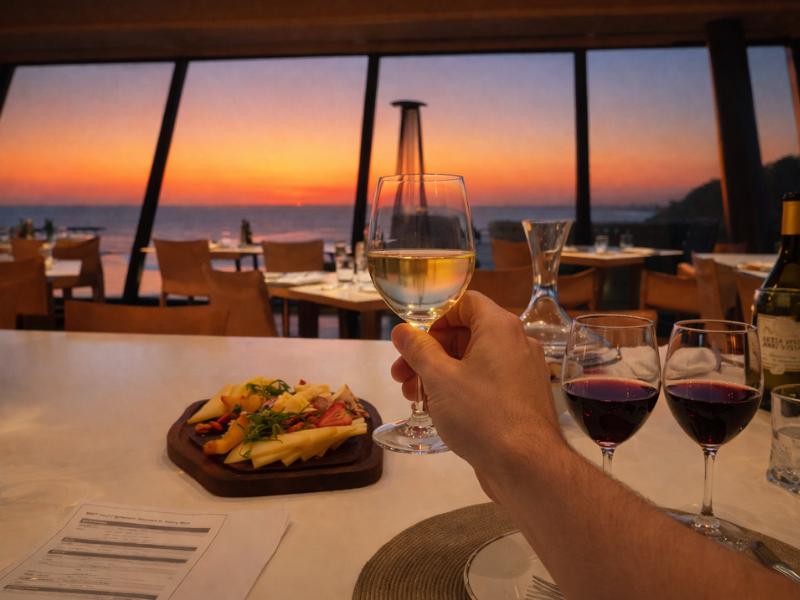
Punta Wine Lovers Tour – Exclusive Tastings & Vineyard Day
Four hours from hotel or port pickup, with a family cellar walk and tastings paired with cheese. The operator’s cellar-season format, and the shorter loop for autumn or a cruise window.
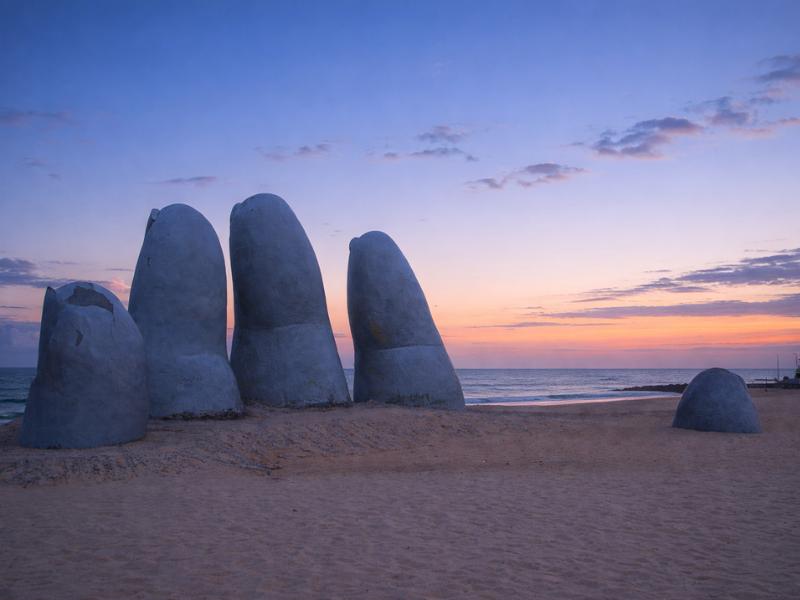
Have It Your Way Private Tour in Punta del Este
A private ten-hour day built around your own stops. Useful in winter, or for a mixed group, when a short wine visit plus the quiet coast is more realistic than a full tasting day.
Landmark estate or family boutique: which should you book?
Book the landmark estate if you have a full free day, two or more people to split the group price, and an interest in winemaking technology and design. Book the boutique tour if you have half a day, a cruise departure, a solo budget, or you would rather see a small operation properly than a large one partly.
The decision usually resolves on time rather than taste. Seven hours with three of them in a vehicle is a big share of a short stay, and Punta del Este is very often a two or three night stop rather than a base for a week. Our read on how long to stay in Punta del Este is the honest companion to this choice.
Cruise passengers have the simplest decision of anyone. The boutique tour's four-hour loop is explicitly built to return to the dock inside a shore-excursion window, and its own guidance is to give the operator your all-aboard time when you book. Nothing about a seven-hour inland day is designed for that constraint.
| Your situation | Better booking | The reasoning |
|---|---|---|
| Couple with one free day | Landmark estate day | Per-group pricing splits, and the estate rewards a long stay |
| Solo traveller | Boutique winery tour | You do not carry a whole group price alone |
| Cruise passenger | Boutique winery tour | Four-hour format designed around an all-aboard time |
| Half a day free | Boutique winery tour | Less road, more time with a glass in hand |
| Design and architecture interest | Landmark estate day | The gravity-flow cellar and the exposed granite are the draw |
| Want food included | Boutique winery tour | Cheese and local produce come with the tasting, no extra fees |
| Want a restaurant meal among the vines | Landmark estate day | There is a restaurant and wine bar on the property, paid on site |
| Mixed group, only some interested in wine | Private custom day | Fold a shorter wine stop into beaches, art and the port |
What does a wine tasting near Punta del Este cost, and what is included?
Both wine tours are listed from $200 at the time of writing, one per group and one per person. The boutique tour includes the tastings, the cheese and all transfers with no extra fees. The landmark estate day includes transport and the guided tour, with the tasting, food and shipping charged separately.
That difference in what the price covers is worth more attention than the number itself. A tour that includes everything is a fixed cost you can budget exactly. A tour that covers transport with the estate charging separately is a floor, not a total. Our own published notes for this site put standard tasting experiences at the landmark estate in a rough $60 to $120 per person band for the 2025 to 2026 window, described as approximate and to be confirmed at booking, since they move with season and group size.
| Cost line | Boutique winery tour | Landmark estate day |
|---|---|---|
| Round-trip transport | Included, hotel or port pickup | Included, private vehicle |
| Guided vineyard and cellar visit | Included | Included, as a group tour at the estate |
| Wine tasting | Included, premium wines with no extra fees | Arranged separately, allow roughly $60 to $120 per person and confirm live |
| Food with the tasting | Artisanal cheese and local produce included | Snacks only if pre-booked |
| Full lunch | Optional upgrade to a light or full lunch with paired wines | Not included, paid directly at the Wine Bar or restaurant |
| Gratuities | Not included | Not included |
| Wine shipping | Not applicable | Fees separate, ask at the shop |
Prices on this site are current as of early 2026 and move with season and demand, so treat every figure here as a planning allowance and check the live listing before you commit. If you are pricing a whole trip rather than one day, how far your money goes in Punta del Este covers the wider picture.
When is the harvest, and when should you plan a winery day?
Uruguay is in the Southern Hemisphere, so the harvest falls roughly in February and March. That window offers the best chance of seeing picking in progress and tasting fruit at maturity, and it is also the busiest, needing three to four weeks of booking lead time.
The rest of the year splits into three usable moods. October to December is spring, when the vines are green and growing and the countryside photographs at its best. April to June is quiet, cool and unhurried, good for cellar time and bad for vineyard scenery. May to August is deep winter, which the boutique operator's own season notes point to as cellar season, when tastings move indoors and the reds do the heavy lifting.
There is a happy overlap with the coastal calendar. The site's standing advice is to visit in March or November rather than January, since the high season from late December through February brings packed beaches and prices 30 to 60 percent higher, while March keeps the sea warm enough to swim. March sits inside the harvest window and outside the crowd peak, which makes it the strongest single month if wine is a real part of your reason for coming.
| Window | Months | In the vineyard | On the coast | Booking lead time |
|---|---|---|---|---|
| Harvest | February to March | Hand-picking under way, fruit at peak maturity | February is still peak season, March calms down fast | Three to four weeks ahead |
| Spring growth | October to December | Green vines in full growth, best landscape photographs | Shoulder pricing until late December | Book ahead as November fills |
| Quiet autumn | April to June | Bare vines, calm cellar visits with few groups | Off season, thin crowds, cooler swimming | Shorter notice usually fine |
| Cellar season | May to August | Indoor tastings, reds and barrel talk | Winter, the resort is at its quietest | Least constrained of the year |
Our fuller month-by-month view of when to visit Punta del Este weighs the beach side of the same calendar.
Can you drive yourself to a winery near Punta del Este?
You can, and the roads are easy, but a tasting is the entire point of the trip and someone has to drive back. The wine tours from Punta del Este exist largely to remove the designated-driver problem, and the operators treat that as a headline feature rather than a footnote.
Think about the shape of the day rather than the legality. You drive out in the morning, you spend two to four hours in a place whose business is pouring wine, and then you drive back in the afternoon on rural roads. Whoever holds the keys either abstains and wastes the trip, or does not abstain, which is not an option worth discussing.
The operator copy behind the small-group tour puts it plainly, listing the absence of a sober-driver requirement among the reasons the format works. The landmark estate day solves the same problem across a longer distance with a private vehicle and a driver who handles the 1.5 hours in each direction while you do not.
There is a second, quieter advantage. The drive inland crosses country most visitors never see, including the stretch past La Barra and its wavy bridge, and looking out of a window is a better use of that hour than watching a road. Guides also fill the transit with regional context, which is the part self-driving cannot replace.
How much time should you allow, and how do you fit wine into a coastal trip?
Allow four hours for a boutique winery visit and a full seven-hour day for the landmark estate. On a two-night stay, give the wine day one slot and keep the other for the peninsula. On a three-night stay, wine, beaches and Casapueblo all fit comfortably.
Here is a worked version for a common trip shape, three nights based on the peninsula. Day one goes to the coast: the beaches, the port, the sculpture on Playa Brava, an evening in town. Day two is the wine day, either the four-hour boutique run with a free afternoon after it or the full seven hours inland. Day three picks up Casapueblo, Punta Ballena and whatever the first day missed. Nothing is rushed and nothing is doubled up.
| Trip length | Realistic wine slot | What else fits |
|---|---|---|
| Cruise day stop | Four-hour boutique tour only | A short walk at the port before or after, nothing inland |
| One night | Four-hour boutique tour | One beach afternoon, the sculpture, dinner in town |
| Two nights | Either format, but only one wine day | Beaches and the port on the other day |
| Three nights | The seven-hour landmark estate day | Beaches, the port, Casapueblo, and time to do nothing |
| Four nights or more | Both wine formats on separate days | La Barra on a Sunday, José Ignacio, and the full coast |
The one pairing to avoid is a wine day and a long beach day squeezed into the same twenty-four hours. If you want to understand why the beach half deserves its own slot, the difference between Playa Brava and Playa Mansa makes the case, and the wider list of things worth doing around the peninsula fills the remaining days.
What do you eat with Tannat, and can you take bottles home?
Tannat's tannin is built for fat and char, which is why it sits so naturally with Uruguay's open-fire grilling tradition and with hard local cheeses. The boutique tour includes artisanal cheese and local produce with the tasting for exactly that reason, and the landmark estate runs a restaurant built around cooking with fire.
The mechanism is simple. Tannin binds to protein and fat, so a mouthful of grilled beef or aged cheese blunts the drying grip of a big red and lets the fruit through. Pour the same wine on an empty palate and it can feel severe. This is the practical reason a tasting paired with cheese teaches you more about Tannat than a tasting on its own, and it is why the operators we work with build food into the pour.
The estate side leans on the same tradition. Bodega Garzón's own site advertises classes in cooking with fire alongside its restaurant and wine bar, which tells you how central grilling is to the regional food identity rather than being a novelty for tourists.
On taking wine home, the honest answer is that it depends on your destination. The landmark estate has a shop and ships, but shipping fees sit outside any tour price, and the operator's note that free shipping to the United States is frequently offered on case purchases is worth asking about at the counter rather than planning around. Ask whether they ship to your country, what it costs on the day, and what the minimum order is. If the answer does not work, one carefully packed bottle travels better than an optimistic case.
Is a Uruguayan wine day worth it if you are not really into wine?
Honestly, only sometimes. If wine bores you, a four-hour boutique visit with cheese and countryside is a pleasant half day, while a seven-hour estate run with three hours of driving is a long time to spend on someone else's interest. Pick by how much road you are willing to sit through.
Some people go for the setting rather than the glass, and that is a legitimate reason. The countryside inland from the coast is genuinely attractive, the landmark estate is a serious piece of contemporary architecture, and the food on both formats is a real draw in its own right. Those all survive indifference to wine.
What does not survive it is the driving. Three hours in a vehicle is easy to accept when you are excited about the destination and hard to accept when you are not. A mixed group is better served by a private day where a shorter wine stop sits alongside beaches, the port and Casapueblo, so nobody spends the whole day on a subject they did not choose.
Children are the other case worth naming. Neither wine tour is built around them, the landmark estate day is listed as not wheelchair accessible with infant seats available only on request, and a tasting is not an activity. Families are generally better off with the coastal options among the Punta del Este tours we feature, and if wine still matters, splitting the group for half a day is the cleaner solution.
If you have decided the estate is the one you want, our detailed walkthrough of a Bodega Garzón visit covers the pre-booking trap, the timings and the real cost stack in full.