Best Time to Visit Punta del Este (2026-2027 Season Guide)
Most people book Punta del Este for January because January is summer. Our team spends a lot of the year talking clients out of it, toward a March or November coastal day from Montevideo.
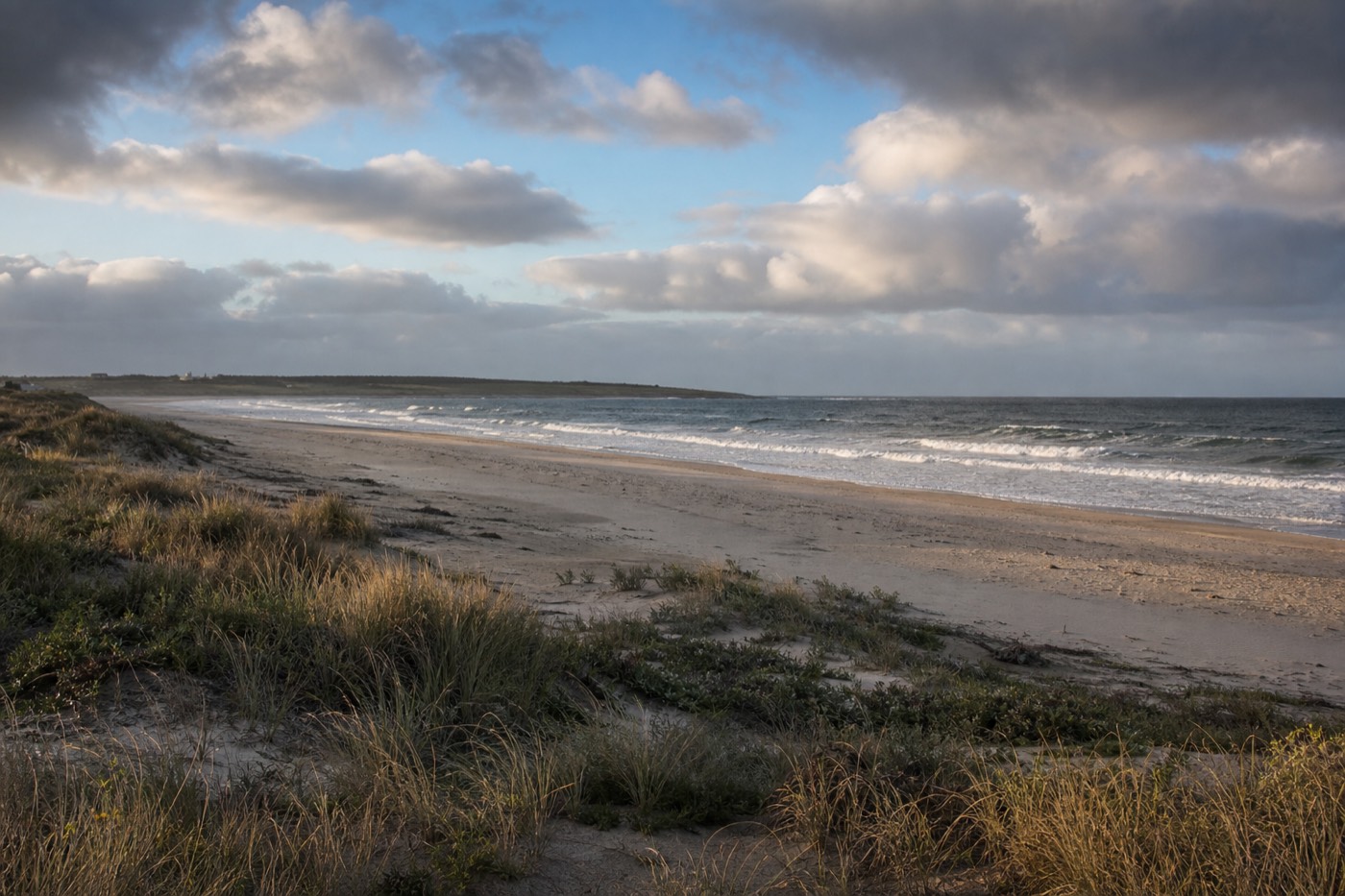
The Punta del Este year, scored month by month
Our planning read on the season rather than a forecast. Any single week can defy the pattern, and December behaves like two different months.
What is the best time to visit Punta del Este?
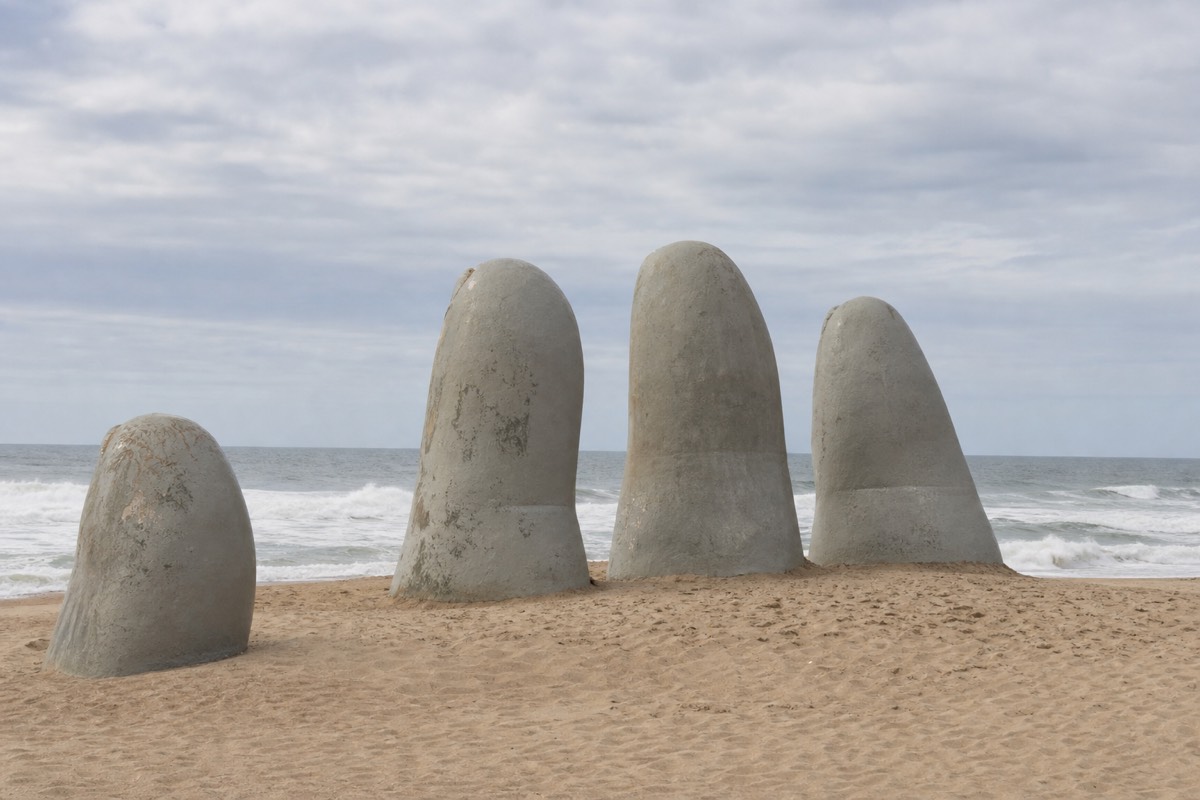
March and November, not January. Those two shoulder months keep the weather and the sea usable while accommodation and tour prices drop by roughly 30 to 60 percent against high season, and the beaches, La Mano and Casapueblo stop feeling like a queue. That is the advice our team gives clients before they book the full-day guided tour from Montevideo.
This runs against what most people assume. Punta del Este is a summer resort, so the instinct is to go at the height of summer, which in the Southern Hemisphere means late December through February. That version of the town is real and it is genuinely glamorous. It is also the most expensive, the most crowded and the least representative version of the place.
The honest framing our team uses is that there are two different trips here wearing the same name. The January trip is a party, a social scene and a packed beach, with Argentinians and Brazilians filling the peninsula, the marina restaurants full and Gorlero Avenue busy until late. The March trip is a coastline: spacious sand, warm water, terraces you can actually sit on, and the architecture and scenery that made the town famous in the first place fully accessible.
Neither is wrong. What matters is knowing which one you are buying. The single most common regret we hear is from travellers who arrived in January expecting a quiet beach escape and found a resort running at capacity. If peace and the actual character of the place matter to you, the shoulder months deliver it. If the energy is the point, go in January and enjoy it on its own terms.
What is the best month to visit Uruguay overall?
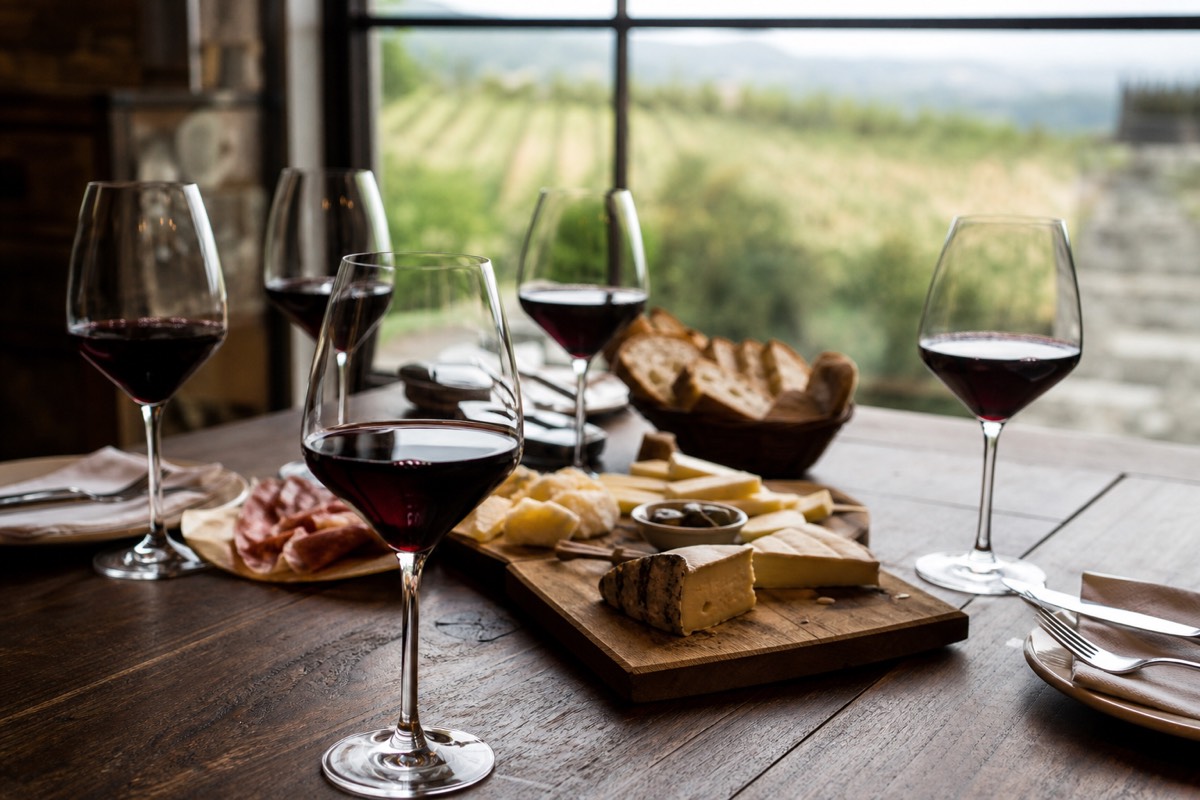
March is the strongest single month for a coastal Uruguay trip. The sea is still warm from summer, daytime temperatures sit comfortably in the twenties, the domestic and Argentine holiday crowds have gone home after Carnival, prices have fallen back, and the wine harvest is either running or just finished across the Maldonado hills.
Uruguay is a small country with a strongly seasonal coast, so the question of best month is really a question about the Atlantic shoreline where most visitors spend their time. Inland Uruguay and Montevideo work year round in a way that Punta del Este does not, but almost nobody plans a first trip around the interior.
March wins because it stacks advantages that rarely coincide. Warm water usually means peak crowds. Cheap accommodation usually means cold water. March is the short window where the ocean is still holding summer heat while the calendar has already emptied the town out. November is the mirror image, cheaper and calmer still, with the trade-off that the sea has not fully warmed up after winter.
If your trip has to happen in high summer, aim at the first half of December rather than January or February. Uruguay's national tourism board promotes the whole December to February block as the season, and it is, but the crowds are heavily weighted toward the Christmas and New Year period and Carnival in February. Early December gives you summer conditions before the surge arrives.
How does each month actually score?
Twelve months, four things that matter: how crowded it is, what it costs, whether you can realistically use the beach, and how much of the resort is open for business. March and November score best on the combination. January and February score highest on atmosphere and worst on everything else.
The scorecard below is our planning read rather than a forecast. Weather on this coast is variable and any single week can defy the pattern, so treat it as the shape of the year rather than a promise about your specific dates.
| Month | Season | Crowds | Prices | Beach viability | How much is open |
|---|---|---|---|---|---|
| January | Peak summer | Highest of the year | Highest of the year | Excellent | Everything |
| February | Peak summer, Carnival | Very high | Very high | Excellent | Everything |
| March | Early autumn | Low after Easter | Well down on peak | Very good, sea still warm | Most things |
| April | Autumn | Low | Low | Fading, brief swims | Thinning out |
| May | Late autumn | Very low | Lowest | Walking, not swimming | Reduced |
| June | Winter | Very low | Lowest | No | Limited |
| July | Winter | Very low | Lowest | No | Limited |
| August | Winter | Very low | Lowest | No | Limited |
| September | Early spring | Very low | Low | No, but bright days | Reopening slowly |
| October | Spring | Low | Low | Improving, windy | Most reopening |
| November | Late spring | Low | Among the lowest | Good, sea cooler | Effectively all open |
| December | Summer begins | Quiet early, packed late | Climbing through the month | Excellent | Everything |
Two rows deserve a second look. December is really two months in one: the first half behaves like a shoulder month with summer weather, while the final ten days switch to full peak. And February carries Carnival, which is a national holiday period across Uruguay and pulls domestic crowds on top of the international ones.
What does peak season actually feel like?
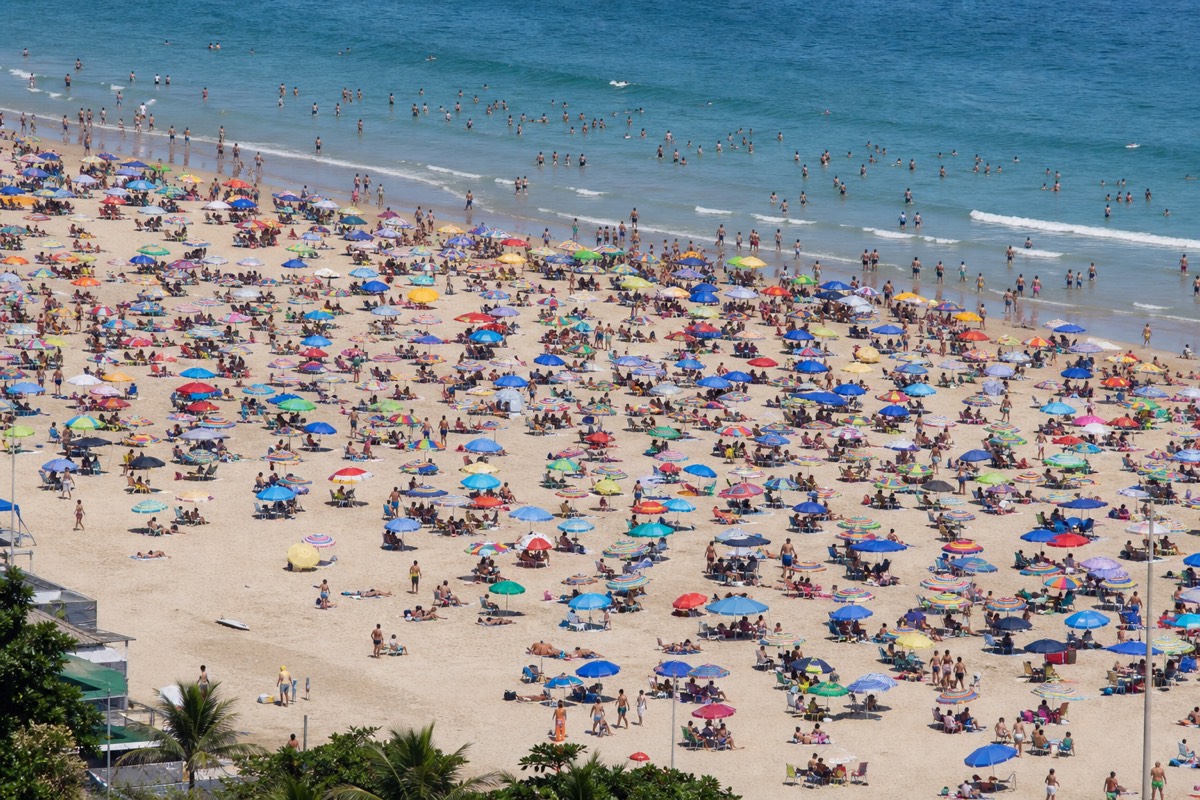
December through February is when Punta del Este operates at full intensity. Beaches fill by mid morning, sunbeds and parking run out, La Mano and Casapueblo carry long waits for photographs, restaurants want reservations, and accommodation prices climb by 50 to 100 percent or more against the rest of the year.
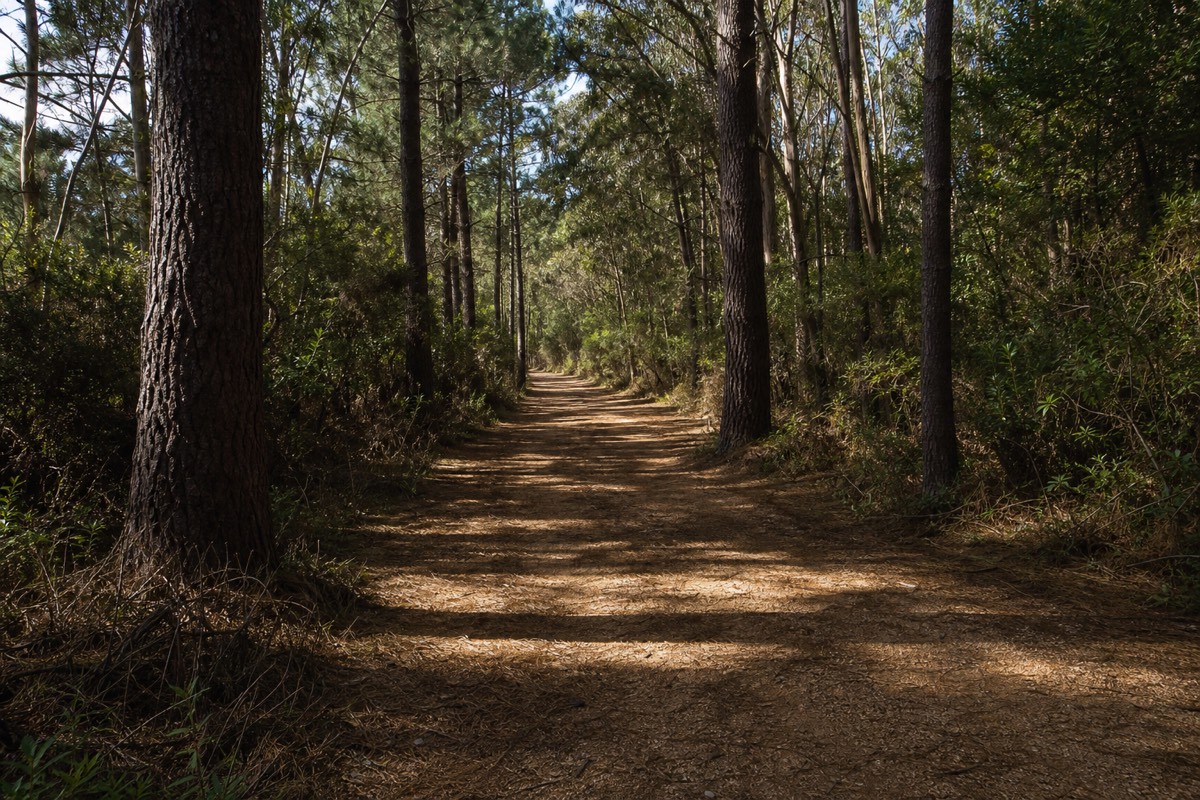
The peak inside the peak is late December to early January, over Christmas and New Year, and then February around Carnival. In those weeks the town takes on the character of a very large, very stylish party. Buenos Aires and São Paulo effectively relocate here for a fortnight, the marina restaurants run at capacity and the nightlife in town and out at La Barra goes late.
There are practical consequences worth planning for. Traffic and parking become genuinely difficult on summer weekends. Hotels book out months ahead and many simply sell out. Tours fill: the popular full-day run from Montevideo consistently fills from November through March, and weekend departures in January are the tightest of the year.
None of that is a reason to avoid it if the energy is what you came for. It is a reason not to arrive unprepared. If you are going in January, book the accommodation and the guided day well in advance, plan sightseeing for early morning, and accept that the middle of the day belongs to the crowd. Our notes on how many days Punta del Este needs shift upward in high season simply because everything takes longer.
Why do March and November beat January?
Because you get most of the upside and almost none of the cost. Shoulder-month daytime temperatures still sit around 22 to 28 degrees Celsius with mostly sunny days, the sea stays comfortable for swimming through March and into April, crowds fall away sharply, and accommodation, restaurants, tours and rentals run roughly 30 to 60 percent cheaper.
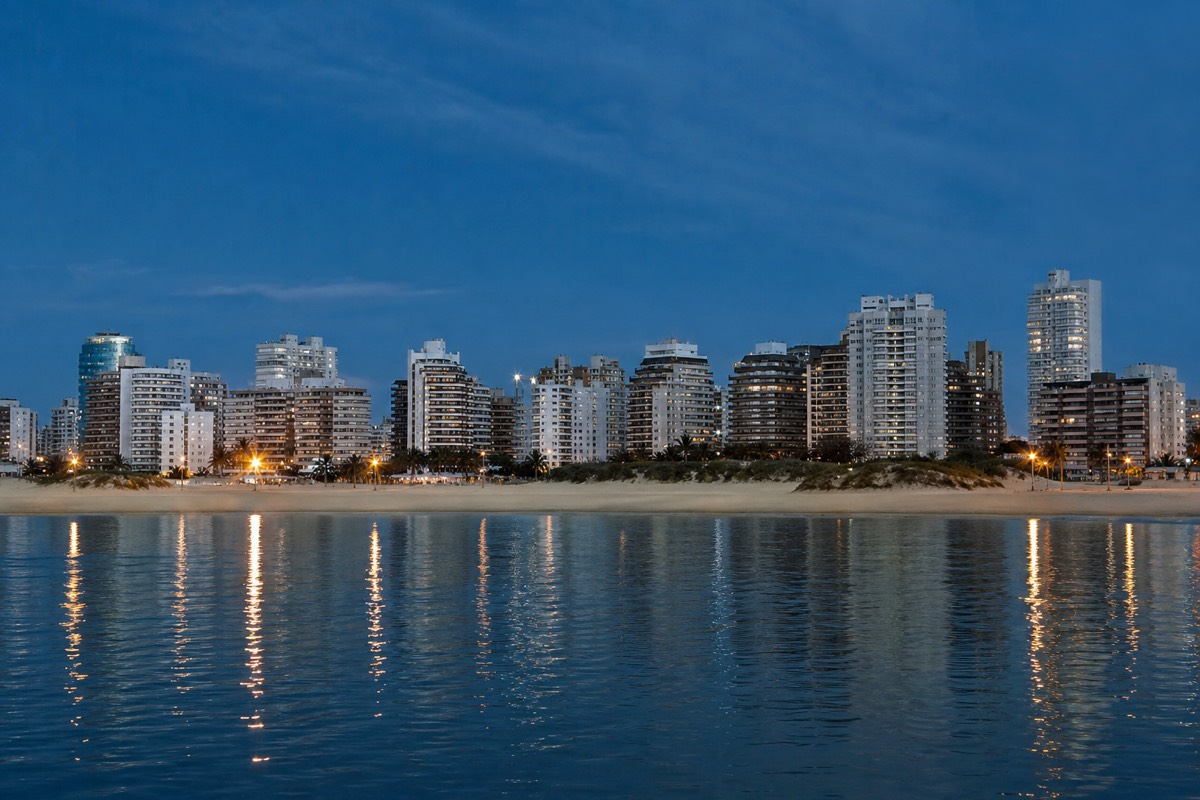
Look at what you actually lose. You lose the nightlife at full volume, you lose the sense of being at the centre of South America's summer, and in November you lose a couple of degrees of sea temperature. That is the complete list. Everything else on a normal itinerary works exactly as well, and several things work better.
What you gain is less obvious until you are there. No queue at the sculpture. Terraces at Casapueblo with space to sit rather than a scrum for the view. Restaurants that take walk-ins. Parking. A beach where you can put a towel wherever you like. Guides who are not running to a compressed schedule because the next group is waiting.
Between the two, March suits swimmers and November suits anyone chasing the lowest prices and the clearest light. March also lands on the wine harvest, which is a genuine reason to prefer it. Repeat visitors to this coast overwhelmingly travel in these months, and the comparison below is the version our team gives over the phone before anyone books a coastal day.
| What you are comparing | High season, Dec to Feb | Shoulder, Mar and Nov |
|---|---|---|
| Daytime temperature | 28 degrees Celsius and upward | Around 22 to 28 degrees Celsius |
| Sea for swimming | Warmest of the year | Comfortable in March, cooler in November |
| Crowds on the beaches | Packed, space hard to find at midday | Relaxed, space anywhere you want it |
| Accommodation and tour prices | Highest, often 50 to 100 percent above | Roughly 30 to 60 percent cheaper |
| Restaurants and nightlife | Full volume, reservations needed | Quieter, walk-ins usually fine |
| Waits at La Mano and Casapueblo | Long, especially 11am to 4pm | Minimal at any hour |
| Parking and traffic | Difficult, especially at weekends | Straightforward |
| Who it suits | Party travellers, young groups, scene seekers | Couples, photographers, families, value seekers |
What closes in the off-season, and what stays open?
Be honest with yourself about this one: Punta del Este is a seasonal resort and a meaningful share of it shuts down outside the warm months. Beach concessions, seasonal restaurants and a lot of nightlife close from around May to September. Casapueblo, the sculpture, the port, the beaches themselves and the wineries stay accessible year round.
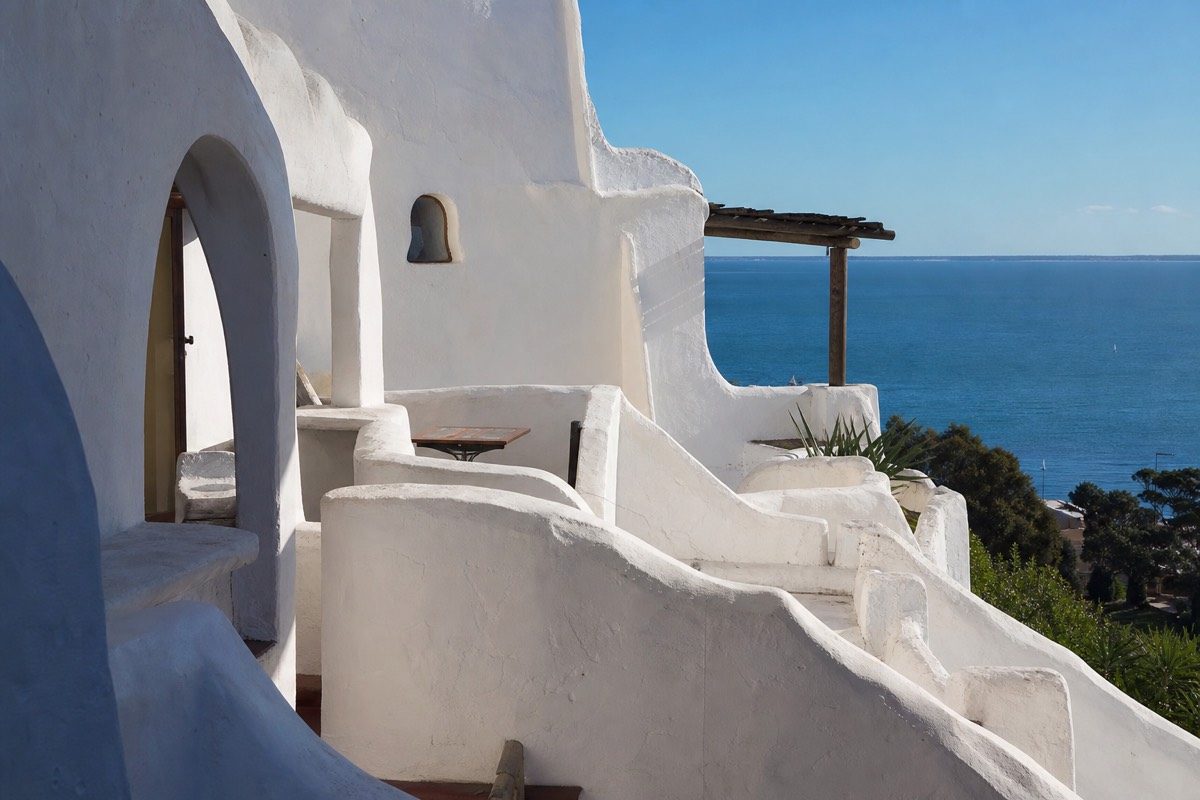
The permanent town underneath the resort is smaller than the summer version suggests. Maldonado next door is a working Uruguayan city that carries on regardless, and the peninsula keeps a resident population, but the visitor infrastructure contracts hard once the season ends. Restaurants that are heaving in January are shuttered in July, and some do not reopen until October.
That does not make a winter visit pointless. It makes it a different trip. The landmarks are still there, they are free or cheap, and you will have them to yourself. Casapueblo opens at 10am year round, and our own advice on visiting Casapueblo at Punta Ballena notes that rainy weekdays between May and October are the emptiest it ever gets.
The winery side is the strongest off-season card. Cellar visits and tastings are indoor experiences that work perfectly well in cool weather, and the estates run through the year. A May or June trip built around the wine country inland from the coast plus the coastal landmarks is a genuinely good trip, just not a beach one.
| What you want to do | Dec to Mar | Apr, Oct, Nov | May to Sep |
|---|---|---|---|
| Swim at Playa Mansa | Yes | Marginal at the edges | No |
| See La Mano on Playa Brava | Yes, but busy | Yes, quiet | Yes, empty |
| Visit Casapueblo | Yes, busiest midday | Yes | Yes, at its quietest |
| Beach concessions and sunbeds | Full service | Reduced | Largely closed |
| Nightlife in town and La Barra | At full volume | Subdued | Mostly closed |
| La Barra Sunday artisan market | Yes, busiest | Yes, smaller | Reduced or intermittent |
| Winery tours and tastings | Yes, book ahead | Yes | Yes, cellar season |
| Guided day tours from Montevideo | Yes, fills fast | Yes | Runs, but check schedules |
| Whale watching along this coast | No | Edges of the window | Yes, the main window |
When is the sea actually warm enough to swim?
The swimming window runs roughly from December to early April, with March the sweet spot for anyone who wants warm water without a crowd. Our own published guidance puts the sea comfortably swimmable through March and into April, and Playa Mansa always feels warmer than Playa Brava because it is shallower and sheltered.
Set expectations before you pack. This is the South Atlantic at a latitude with real seasons, not a tropical coast, and the water reads as bracing rather than warm even in a good week. Visitors arriving from the Caribbean or northern Brazil regularly find the first swim colder than they expected.
The two-beach effect matters more than the calendar in one specific way. Water that stays knee deep across a wide flat sits in the sun and warms faster than water breaking over a steeper profile. That is why the sheltered estuary side is usable on days when the ocean side is not, and it is worth understanding before you plan a beach-heavy trip. The full mechanic is in our comparison of Playa Brava and Playa Mansa.
November is the honest weak point of the shoulder-season argument. The air is pleasant and the light is beautiful, but the sea has had winter to cool down and has not caught up yet. If swimming is the reason you are coming, take March. If beaches, walking, photographs and value are the reason, November is at least as good and often cheaper.
Recommended tours by season
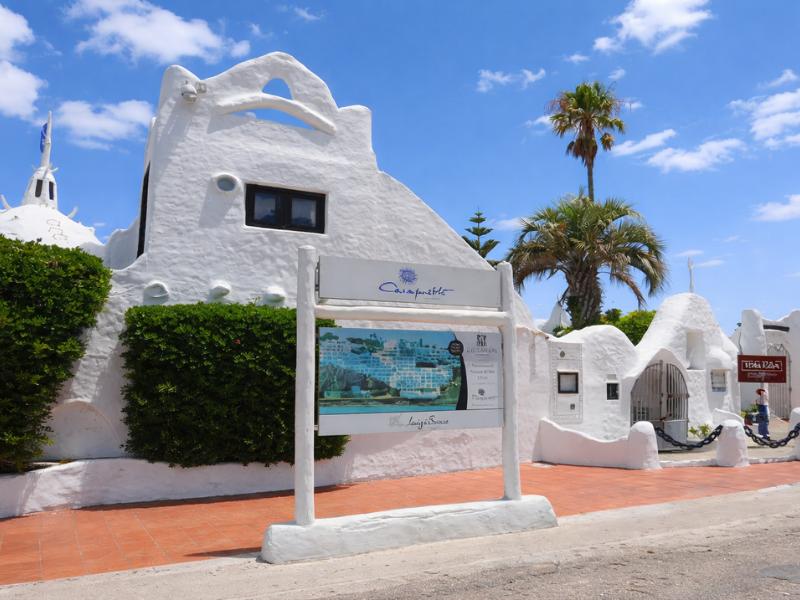
Montevideo to Punta del Este: Full-Day Guided Tour
Nine hours from Montevideo via Piriápolis, Casapueblo, Playa Mansa and La Mano. The coastal loop for December through March, when the beaches and landmarks are fully in season.
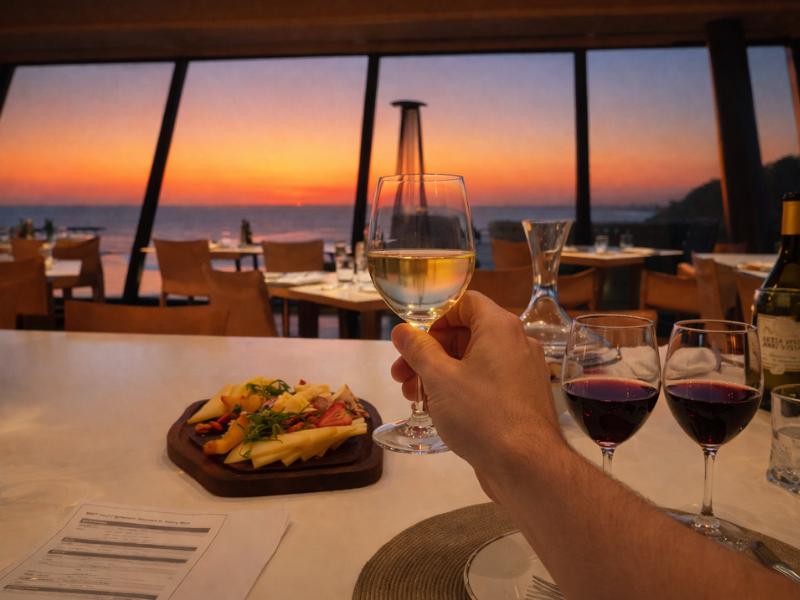
Punta Wine Lovers Tour – Exclusive Tastings & Vineyard Day
A four-hour boutique tasting with hotel pickup. February and March are when harvest is running in the Maldonado hills.
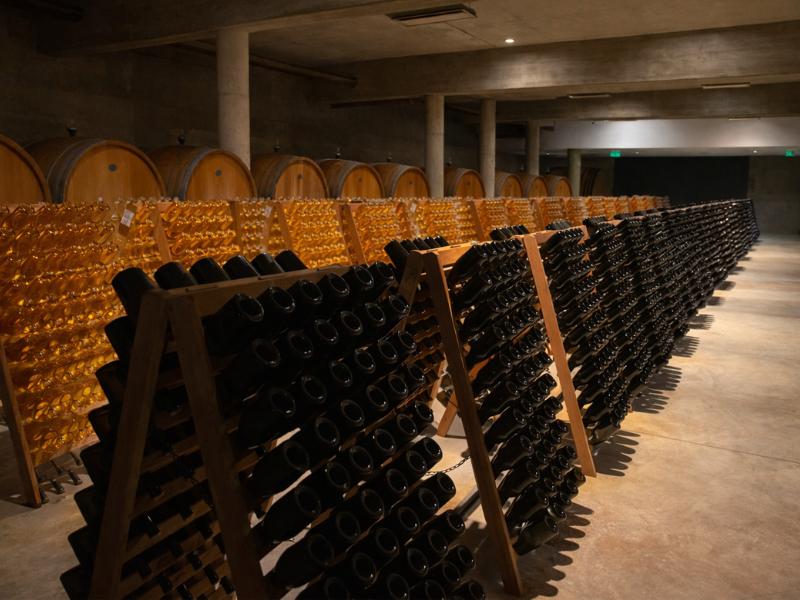
Bodega Garzón Wine Lovers Tour – Exclusive Tastings & Pairings
A seven-hour day at the Garzón estate. Winter is cellar season, when the tasting is indoors and there are very few other visitors.
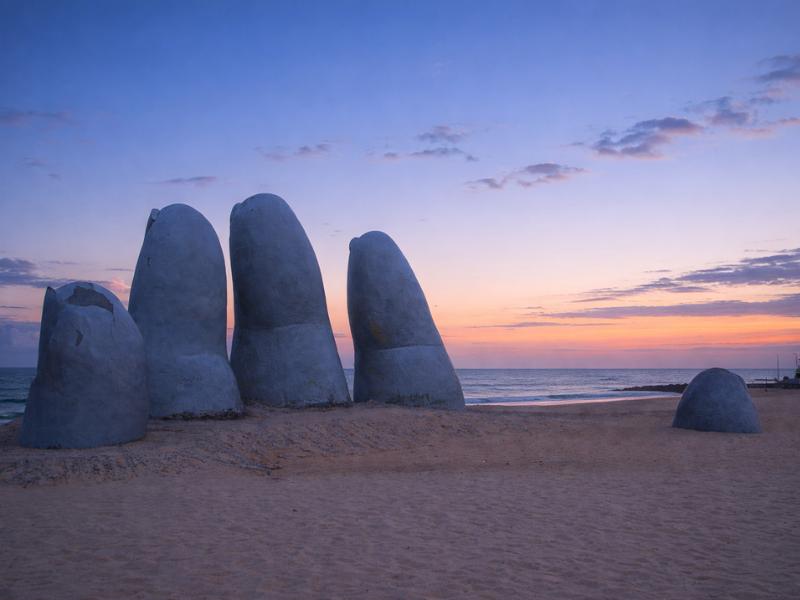
Have It Your Way Private Tour in Punta del Este
A ten-hour private day on the peninsula. Useful in January, when a reserved vehicle is still yours, and in winter, when group schedules thin out.
When is the wine season, and when does harvest happen?
Harvest in Uruguay runs roughly February to March, the reverse of the Northern Hemisphere calendar. That is when you have the best chance of seeing hand-picking in the rows and tasting fruit at maturity. Spring, from October to December, gives you green vines in bloom, and the winter months are the quiet cellar season.
The wine country inland from the coast is one of the strongest reasons to travel in a shoulder month rather than high summer. The Maldonado hills around Garzón sit roughly 30 km north of Punta del Este and have drawn serious investment since the early 2000s, and the Tannat grape, the bold red that has become the country's signature, is what most visitors come to taste.
March is the month that stacks the deck. You get warm water, thin crowds, low prices and a working harvest all at once, which no other month manages. February also lands on harvest but arrives with peak-season pricing and Carnival crowds attached, so the same vineyard experience costs you considerably more of everything.
Booking behaviour matters here more than anywhere else on the coast. Estates manage daily visitor capacity, so tastings are not a walk-up product in high season. The four-hour boutique winery run we list carries a 4.9 rating across more than 600 bookings, from $200 at the time of writing, and the full-day Bodega Garzón experience at the country's most decorated estate is the one that fills earliest. Check the live listing for current pricing.
| Period | What is happening in the vineyard | What the visit feels like |
|---|---|---|
| February to March | Harvest, hand-picking in the rows | The most active visit of the year, book several weeks ahead |
| April to June | Post-harvest, vines turning and going dormant | Quiet, unhurried, autumn colour in the rows |
| July to August | Dormant vines, cellar work | Cellar season, indoor tastings, very few other visitors |
| September to November | Budburst and spring growth | Green hills, mild temperatures, good for photographs |
| December to January | Fruit set and ripening | Warm and busy, competing with the beach crowd for slots |
When can you see whales off this coast?
The seasonal whale window along this stretch of the Uruguayan Atlantic runs roughly from June or July through to October, which lands squarely in the Southern Hemisphere winter. It is the one genuine reason to travel here in the coldest, quietest months, and the cliffs around Punta Ballena are the classic vantage point.
Southern right whales move along this coast during the southern winter, and the operators we work with reference the same broad window in their own seasonal notes. Sightings are never guaranteed anywhere in the world and this coast is no exception, so treat it as a possibility that improves a winter trip rather than a reason to build one.
Be clear about what we do and do not sell. The six experiences listed on this site are coastal day tours, a private peninsula day and two winery experiences. None of them is a dedicated whale-watching boat trip. What the coastal itineraries give you in those months is the cliff-top and headland vantage points where land-based sightings happen, along with the rest of the sightseeing route.
If a winter trip appeals, build it around the landmarks and the cellars and treat the whales as an upside. The coastal drive west takes in Piriápolis and the San Antonio hill viewpoint, which is exactly the sort of elevated coastal position that rewards a slow scan of the water on a clear winter morning.
| Months | What the coast offers | What to plan around it |
|---|---|---|
| June to July | Window opening, coldest weather | Cellar tastings, empty landmarks, low prices |
| August to September | Core of the seasonal window | Clear-day headland viewpoints, indoor culture |
| October | Window closing, spring arriving | Businesses reopening, better light, still quiet |
| November to May | Outside the window | Beaches, wine, the standard coastal itinerary |
How far ahead should you book?
Lead times swing hard with the season. For January and February, book accommodation months out and lock in guided days and winery tastings several weeks ahead. For March, April, October and November, a week or two is usually enough. In deep winter you can often book within days, though schedules thin out.
The pattern reflects what actually runs short. Buses from Montevideo run every 30 to 60 minutes through the day and the beaches are free and public, so independent travel almost never hits a wall. What runs short is the scarce, capacity-limited stuff: a private vehicle with a guide who knows the coastal history, a winery slot at an estate that caps daily numbers, and rooms on a peninsula with finite beds.
Weekends compound it. On a Saturday in late January, when a large share of Buenos Aires has crossed the river for the weekend, the private vehicle that a booking reserved is still yours and whatever is left over is whatever happens to be free. That gap between booked and walk-up widens exactly when the town is busiest.
The table below is our planning allowance rather than an operator commitment. Availability varies by year and by operator, and the live listings are the authority on what is actually open on your dates.
| What you are booking | Peak, Dec to Feb | Shoulder, Mar, Apr, Oct, Nov | Winter, May to Sep |
|---|---|---|---|
| Accommodation on the peninsula | Months ahead, many places sell out | A few weeks | Days, if it is open |
| Group day tour from Montevideo | Three to four weeks, more for weekends | One to two weeks | Check the schedule first |
| Private guide and vehicle | Three to four weeks | One to two weeks | Usually short notice is fine |
| Winery tasting | Several weeks, estates cap numbers | One to two weeks | A few days |
| Bus from Montevideo | Book ahead for weekends and holidays | Walk up | Walk up |
| Restaurant tables | Reserve, especially at weekends | Walk in | Check it is open |
Which month suits which kind of traveller?
There is no universally best month, only a best match. Families want warm shallow water and open facilities, so December or March. Couples and photographers want space and light, so November or March. Wine travellers want harvest, so February or March. Budget travellers want the off-peak floor, so May through September.
The reason the shoulder-season case is so strong is that it happens to satisfy most of these groups at once. March and November are the two months where the interests of families, couples, photographers, wine travellers and value seekers all point in roughly the same direction, which is unusual for any destination.
The clearest exception is the group that wants the scene. If you are coming for the nightlife, the marina at full tilt and the sense of being where South America spends its summer, the shoulder months will feel flat and you should go in January. That is a legitimate trip and the town does it better than almost anywhere on the continent. Our notes on the Punta del Este nightlife scene set out what that actually involves.
The other exception runs the opposite way. Travellers who want cheap, empty and atmospheric, and do not care about swimming, get real value from the winter months, particularly if they build the trip around cellars, museums and the coastal landmarks. Our answer on what a Punta del Este trip costs looks very different in July than it does in January.
| Traveller type | Best months | Why |
|---|---|---|
| Families with young children | December, March | Warm shallow water on the sheltered side, facilities open, fewer crowds in March |
| Couples wanting a quiet coast | March, November | Space, good light, walk-in restaurants, lower prices |
| Photographers | March, October, November | Clear light, empty landmarks, no queue at the sculpture |
| Wine travellers | February, March | Harvest running in the Maldonado hills |
| Surfers | Autumn and winter swells | The Atlantic side works best when the beach crowd has gone |
| Nightlife and social scene | January, February | The only months the scene runs at full volume |
| Budget travellers | May to September | Lowest prices of the year, landmarks still free and open |
| Cruise passengers on a fixed date | Whatever your date is | Short shore excursions run year round, so plan around duration not season |
What do first-time visitors get wrong about timing?
The recurring mistake is booking January because it is summer, expecting a relaxed beach escape, and finding a resort at peak capacity with prices to match. The second is assuming the Northern Hemisphere calendar applies, and turning up in July expecting warm weather in what is actually the depth of winter.
The seasons genuinely catch people out. Uruguay sits well south of the equator, so January is high summer and July is winter, and travellers from Europe or North America who book on instinct rather than on the calendar can lose an entire trip to it. Anyone reading about the resort's position on Uruguay's Atlantic coast should read the months in Southern Hemisphere terms throughout.
Three smaller ones we see repeatedly. Booking February without checking Carnival, then finding domestic crowds stacked on top of international ones. Planning a La Barra visit for a Tuesday and missing the artisan market, which runs on Sundays, a timing point our guide to La Barra makes early. And arriving in a winter month expecting the seasonal restaurants and beach service to be running, when a good share of it is shut until spring.
The fix for all of it is the same: decide which version of Punta del Este you want before you pick your dates, rather than picking dates and hoping. If you are coming across from Montevideo for a single day, the season affects the crowd more than the itinerary, and our page on coastal day tours from Montevideo covers how those runs change through the year. You can compare every option on the Punta del Este tours we feature.