What Is Punta del Este Nightlife Really Like?
In January the reputation is entirely earned. In June whole strips are shut and the rambla is empty. Most pages about this town describe only the first version, which is how visitors end up disappointed.
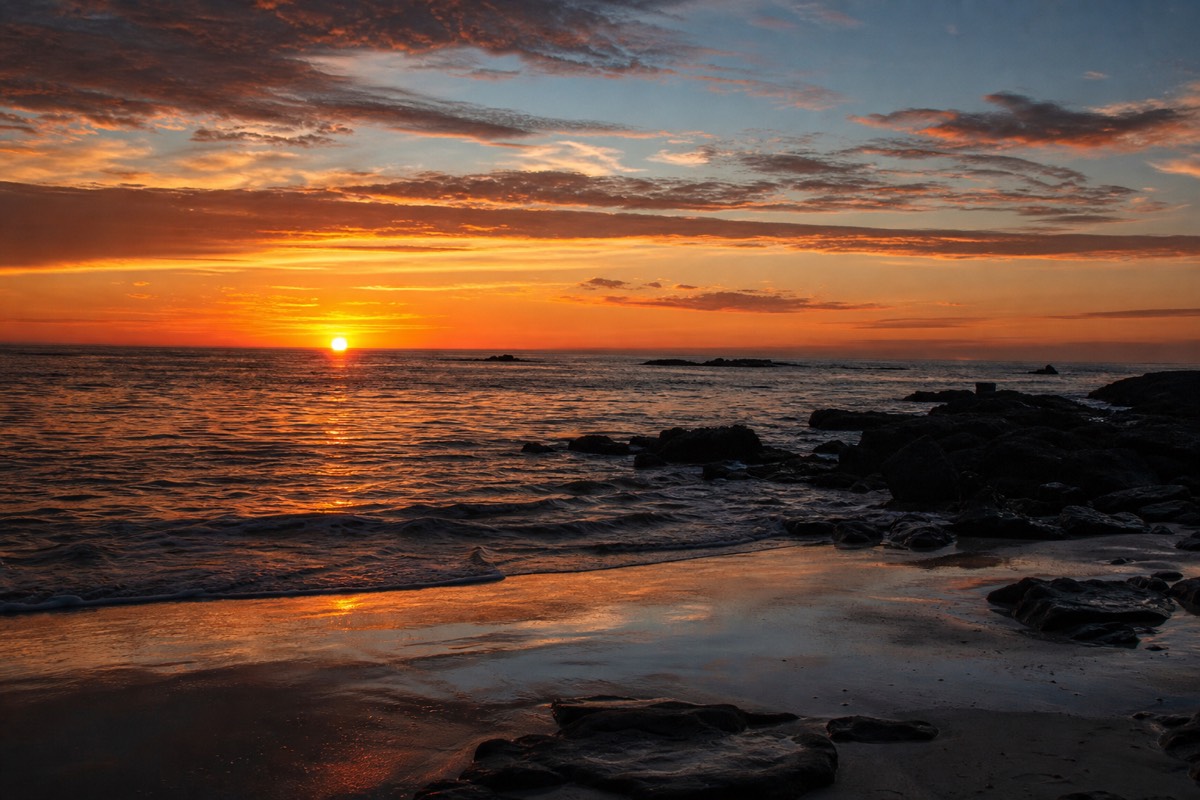
What is Punta del Este nightlife really like?
It depends entirely on the month, and that is the whole answer. For roughly six weeks around January the resort earns its party reputation completely. For most of the rest of the year it is a quiet coastal town where a great many venues are simply closed, and no article that skips that distinction is telling you the truth.
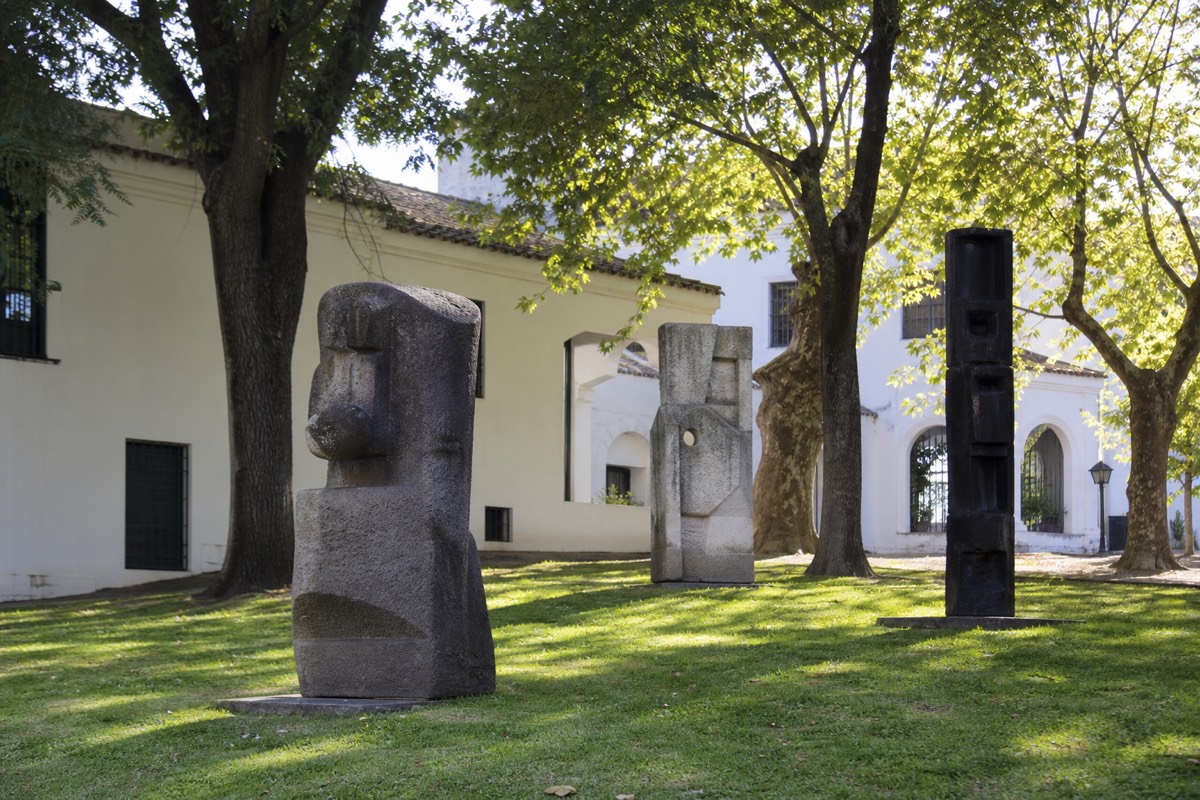
Punta del Este built its reputation on summer. December through February is when Argentina and Brazil holiday at once, the peninsula fills, restaurants take reservations well ahead, and the evening runs very late. Almost everything written about the nightlife here describes those weeks.
Arrive in June expecting that and you will find shuttered frontages, restaurants closing early, and a rambla with nobody on it. That is not a failure of the town. It is a seasonal resort behaving exactly as seasonal resorts behave, and it is genuinely pleasant if it is the thing you came for. The failure is only ever a mismatch of expectations.
We are also not going to hand you a venue list. Clubs on this coast open, close and rebrand between summers, and any directory published today would mislead someone reading it in eighteen months. What follows is the shape of the scene, which stays true.
What is January actually like at night?
Full-capacity resort nightlife. Restaurants busy late and often needing reservations, bars along the port and the peninsula running well past midnight, and clubs that do not fill until the small hours. Traffic and parking are difficult, the crowd skews Argentine and Brazilian, and the energy is closer to a city than a beach town.
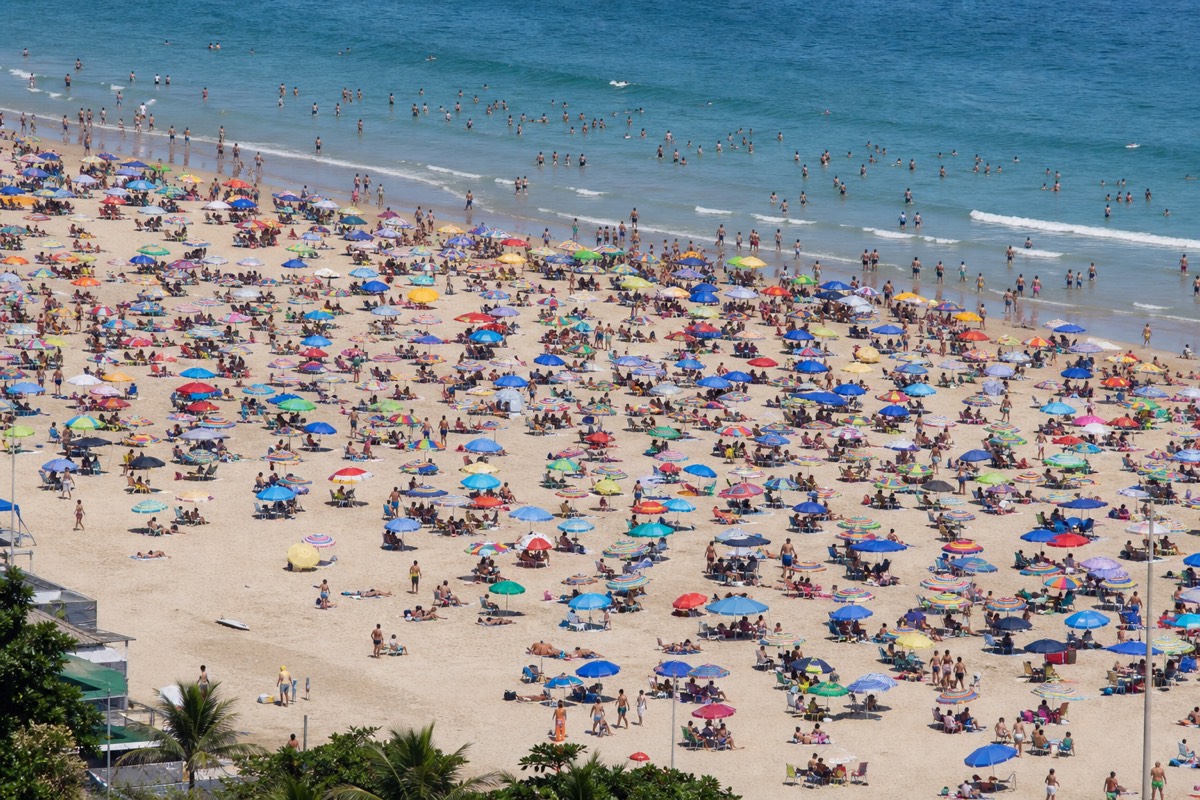
The density is what people underestimate. In peak weeks the peninsula holds a multiple of its winter population, and all of it lands on the same handful of streets after dark. Restaurants around the marina see waits, walk-ins get harder as the evening goes on, and the whole apparatus keeps running long after a northern European resort would have closed.
It is also the most expensive version of the town by a wide margin, which is worth factoring in before you commit to the dates. Our breakdown of what a visit here actually costs covers how sharply the season moves the numbers.
If the January scene is what you want, book early and stay central. If not, a milder version of it exists in December or late February, at the edges of the peak rather than the middle.
How does the nightlife change month by month?
Three distinct modes. December to February is peak, with everything open and running late. November, March and April keep restaurants and bars going with far fewer people and much thinner club activity. From roughly May to October the seasonal trade largely shuts and evenings become quiet, early and local.
| Period | What the evening looks like | Realistically open | Who it suits |
|---|---|---|---|
| December to February | Full resort mode, late dinners, bars and clubs running into the small hours | Effectively everything, at peak prices | Anyone who came specifically for the scene |
| November, March, April | Restaurants and bars comfortably busy, clubs patchy or not yet open | Most dining, some late bars | Couples and travellers who want dinner and a drink, not a queue |
| May to October | Quiet, early, largely local; whole strips closed | Year-round restaurants, a limited core | Off-season visitors who want the coast to themselves |
The shoulder months are the underrated answer for most people. You still get dinner at a proper hour, a drink somewhere with a view, and a walk back along the water without the crush. What you give up is the club layer, which only a minority of visitors use. Our guide to how the months compare works through the wider trade-off.
What time do nights actually start here?
Much later than most North American and northern European visitors expect. Dinner commonly starts around nine or ten, bars fill after midnight, and clubs in peak season do not get going until the early hours. Turning up anywhere at eight puts you in an empty room.
| Hour | What is happening in peak season | Where most visitors go wrong |
|---|---|---|
| Late afternoon | Beach thins out, the rambla and the port fill for sunset | Heading back to the room instead of staying out for the light |
| Around 8pm | Restaurants opening, dining rooms still empty | Eating now, then finding the town asleep at 9.30 |
| 9pm to 11pm | Dinner proper; this is the main event for most people | Arriving without a reservation in January |
| Midnight onward | Bars fill on the peninsula and at the port | Assuming the night is over because dinner ended |
| Small hours | Clubs, mainly La Barra, get going | No plan for the ten-kilometre journey home |
This is the single most common scheduling mistake visitors make, and it costs them the evening. People eat at seven out of habit, finish by half past eight, find nothing happening, and conclude the nightlife is overrated. It had not started.
The workaround is to shift the whole day. A long lunch, a slow late afternoon on the beach, then dinner at nine or later. That rhythm is not an affectation, it is how the town runs, and it is why afternoon naps are a normal part of a summer day here.
Sunset is the natural pivot point. On the Mansa side the sun goes down over the water, and the hour before dinner is when the rambla is at its best. If you are on a guided day, a private guide who sets the pace can time the last stop for that light rather than delivering you back at five with four hours to fill.
Where are the nightlife areas?
Three broad zones. The peninsula itself, around the main avenue and the surrounding streets, holds most of the restaurants and bars. The port area is the waterfront evening scene. La Barra, roughly ten kilometres east across the undulating bridge, is the looser, later, more bohemian strip and historically the club end of the coast.
| Area | Character | Best for | Practical note |
|---|---|---|---|
| The peninsula | Dense, walkable, restaurants and bars close together | Dinner and drinks without transport | The only zone you can realistically do on foot from a central base |
| Puerto de Punta del Este | Waterfront, yachts, the view is the draw | An early evening drink before dinner | Lovely at sunset; the sea lion colony is on the dock structures nearby |
| La Barra | Bohemian, later, more club-leaning in season | The late end of a summer night | About ten kilometres east; arrange transport both ways before you go |
| José Ignacio | Quiet luxury, dinner rather than dancing | A long, unhurried meal | Much further east again; a full evening commitment |
The distances matter more than the map suggests. The La Barra strip east of the bridge is not a walk from the peninsula, and neither is the village of José Ignacio another thirty-odd kilometres on. Both are excellent evenings and both need a plan for getting home.
Recommended tours by season
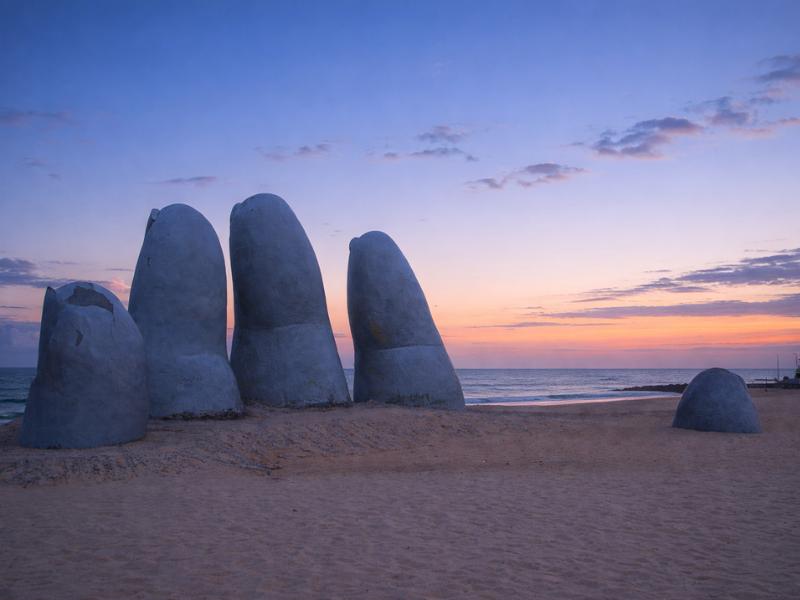
Have It Your Way Private Tour in Punta del Este
Ten private hours with a local guide, pickup on your schedule. A daylight plan for a stay on the peninsula in December through February.
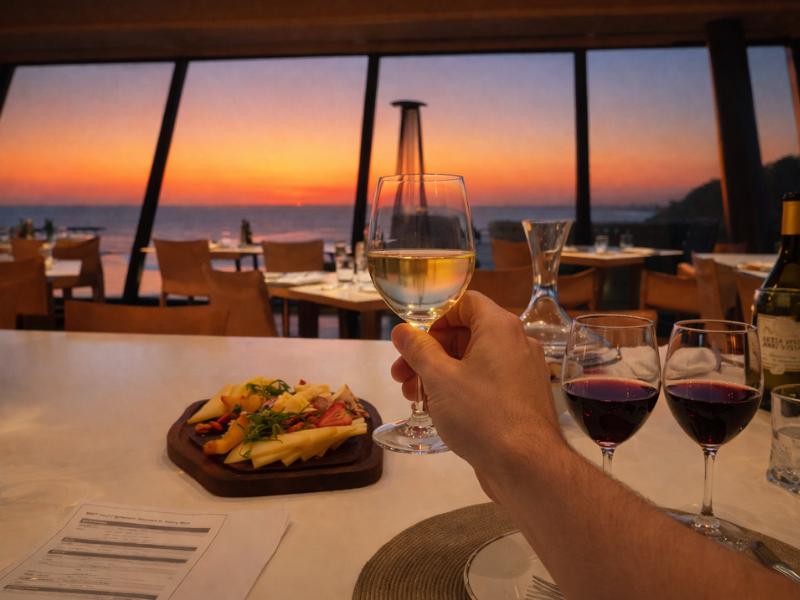
Punta Wine Lovers Tour – Exclusive Tastings & Vineyard Day
A four-hour vineyard day with tastings. Suited to November, March and April, when the evening is a restaurant rather than a club.
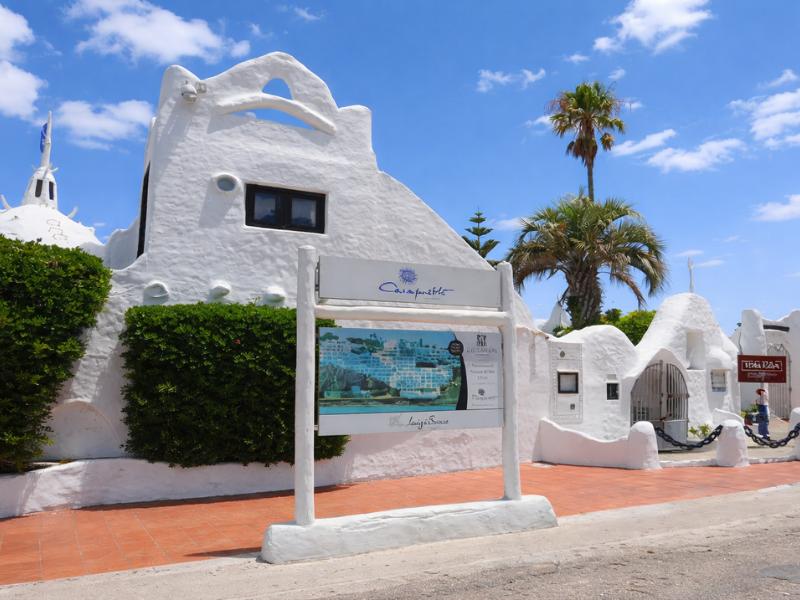
Montevideo to Punta del Este: Full-Day Guided Tour
Nine hours from Montevideo with a guide and transport. The straightforward option when you are not staying for the late scene.
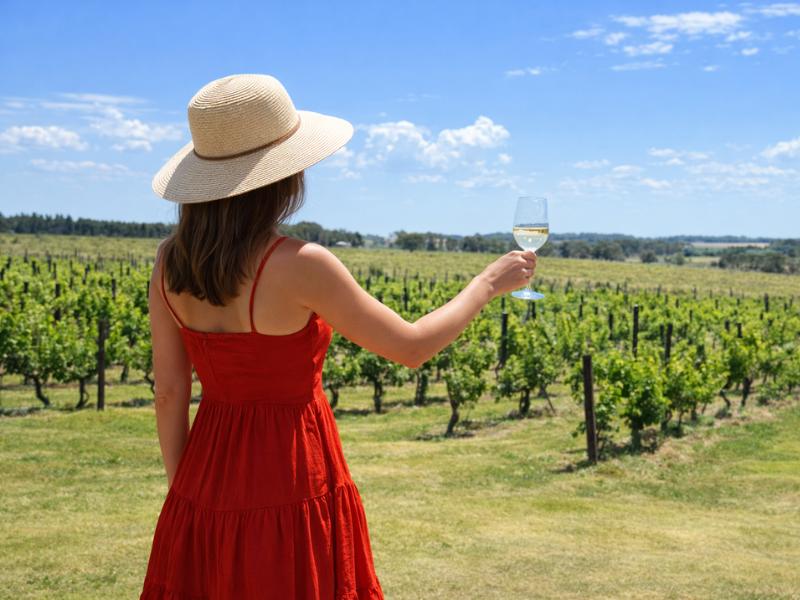
Montevideo to Punta del Este Sightseeing Adventure Day Trip
A private nine-hour run of the same coast from Montevideo, on your own schedule.
What does nightlife mean off-season?
Dinner, mostly. Between roughly May and October the club layer is gone and much of the seasonal trade is closed, so the evening becomes a good meal somewhere that stays open year-round, a walk on an empty rambla, and an early night. Some visitors find that a downgrade. Others book specifically for it.
What survives the winter is the core: restaurants serving the local population rather than the summer crowd. The food does not get worse. The choice narrows and the hours shorten.
The compensations are real. An empty Playa Brava in low light, a rambla with no one on it, and a town whose shape you can actually see are things the January visitor never gets. Southern right whales pass this coast in the colder months too.
Practical rule for the off-season: confirm that somewhere is open before you drive to it. Published hours drift, seasonal places close without notice, and a wasted trip east on a winter evening is a long way for a locked door.
What are the quiet alternatives to clubbing?
Plenty, and they run all year rather than for six weeks. Sunset from the Casapueblo terraces, the port in the evening as the boats come in, a long dinner in the Uruguayan style, and the rambla at dusk are the four that visitors consistently rate highest, and none of them involve a queue or a cover charge.
Casapueblo is the obvious one. Carlos Paez Vilaro built it into the cliff at Punta Ballena over decades, and the west-facing terraces are pointed straight at the sunset. Plan at least ninety minutes rather than a photo stop, and dress for wind. Our full write-up of sunset from the Casapueblo terraces covers timing, and the background on the building itself makes the visit considerably richer.
The port in the evening is the other one we push. The yachts, the working boats and the sea lion colony on the dock structures make it the most characterful hour on the peninsula, and it costs nothing.
For families that is usually the whole answer: an early sunset, a proper dinner, no attempt to compete with a scene starting after bedtime. Most of the tours we list for Punta del Este finish in the late afternoon, which leaves the evening free to do exactly that.
How do you get back safely at night?
Arrange the return before you go out. Within the central peninsula, walking between the port, the main avenue and the Mansa beachfront is normal in season. Anything further out, particularly the road east towards La Barra, means dark coastal roads with little or no pavement, and those are a traffic problem before anything else.
The pattern we see repeatedly is someone leaving La Barra at two in the morning, deciding the taxi wait is too long, and starting to walk. Ten kilometres of unlit coastal road is not a walk. Cars move fast, there is often no shoulder, and a pedestrian in dark clothing is hard to see.
If you are drinking, the same logic rules out driving yourself, which is a genuine consideration because so many visitors here have a rental car. Settling transport in advance solves both problems at once, and in peak weeks it also solves the availability problem, since everybody wants a ride home at the same hour.
The site's fuller treatment of the topic lives in our piece on whether Punta del Este is safe, which covers the night-time question alongside the rest.
Should you stay in Punta del Este for nightlife, or day-trip in?
If nightlife is the point of the trip, stay on the peninsula: the scene starts too late to be compatible with a two-hour drive back to Montevideo. If you mainly want the beaches, the sculpture, Casapueblo and the port, day-tripping works well and costs considerably less.
The geography decides it. Punta del Este sits roughly 130 kilometres east of Montevideo along the Ruta Interbalnearia, about two hours by road, so a day tour that leaves in the morning has you back in the capital by evening. That is a fine way to see the coast and a hopeless way to experience a scene that has barely started when you would need to leave.
Day trips do the sightseeing efficiently. The nine-hour full-day tour from Montevideo covers Piriapolis, Casapueblo, Playa Mansa, the port and La Mano with transport and a multilingual guide, from $49 per person at the time of writing, and a private version of that day runs the same coastline on your own schedule from $169 per group. Current prices are on the full-day tour listing.
For a nightlife-led trip, base yourself centrally and give it at least two nights, because one night gets eaten by arrival. Where exactly you sleep changes the walk home more than anything else, which is why we treat deciding where to base yourself as its own question. Broader context on how the resort came to have this reputation is in the public record of the town.