What to Wear in Punta del Este
The photographs sell a tropical beach. The reality is the South Atlantic, where the breeze runs all afternoon and the evening cools fast. Pack for that and everything else falls into place.
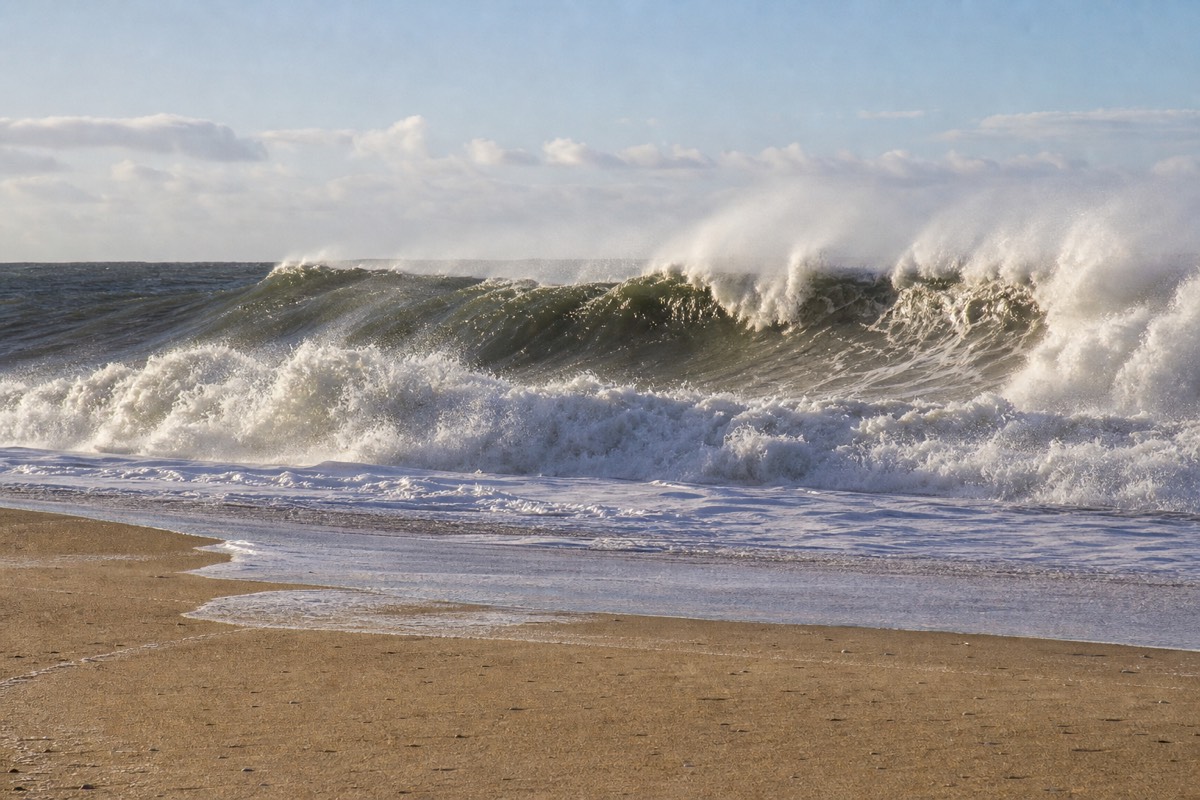
What should you wear in Punta del Este?
Dress smart-casual and dress for wind. This is the South Atlantic, not the Caribbean: the coast is exposed, breezes pick up through the afternoon, and evenings cool down even in high summer. A light layer you can throw on over beachwear covers most situations, and almost nothing here calls for formal clothing.
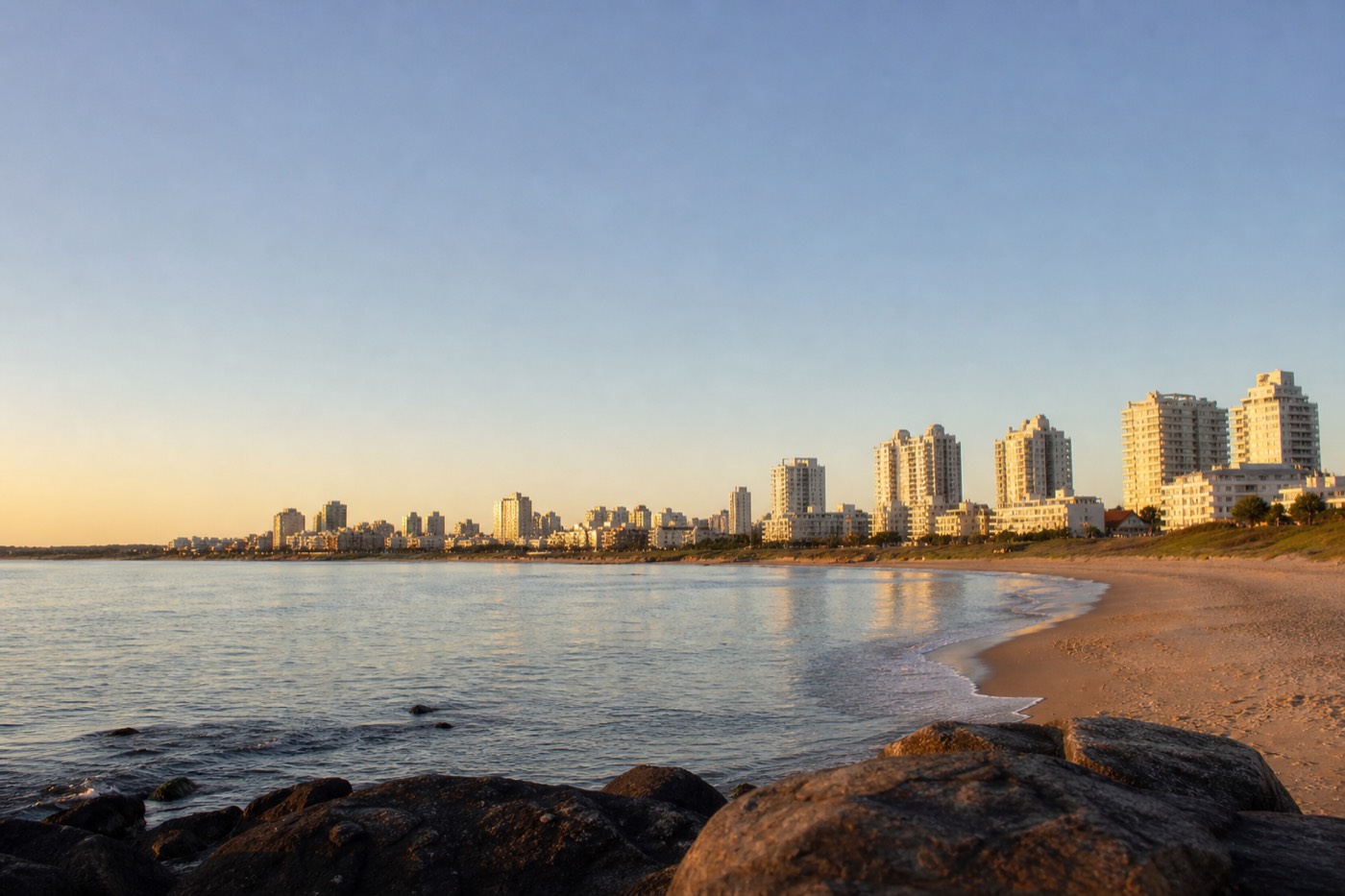
The mistake visitors make is packing for the postcard. Photographs of Playa Brava under a hard blue sky suggest a tropical resort, and people arrive with six sundresses and no jacket. Then the sun goes behind the peninsula, the breeze comes off the water, and they spend the evening buying a jumper on Gorlero Avenue at resort prices.
The other half of the answer is seasonal direction. Uruguay is in the Southern Hemisphere, so January is peak summer and July is winter. If you are reading a northern-hemisphere packing list and mentally converting months, do that conversion carefully before you pack. A June trip here is a coat trip.
Beyond that, the register is relaxed. The resort's reputation is glossy, but on the ground it runs on linen, good sandals and clean casual clothes rather than anything formal. That holds across the peninsula, the port and the Sunday market at La Barra, where the crowd is deliberately scruffier than the marina.
What do you pack for each season?
Summer means beachwear plus a windproof layer and serious sun protection. The shoulder months of November, March and April want the same kit with a proper jacket and long trousers added for evenings. Winter, roughly May to September, is a coat, closed shoes and layers, with swimming off the table for most visitors.
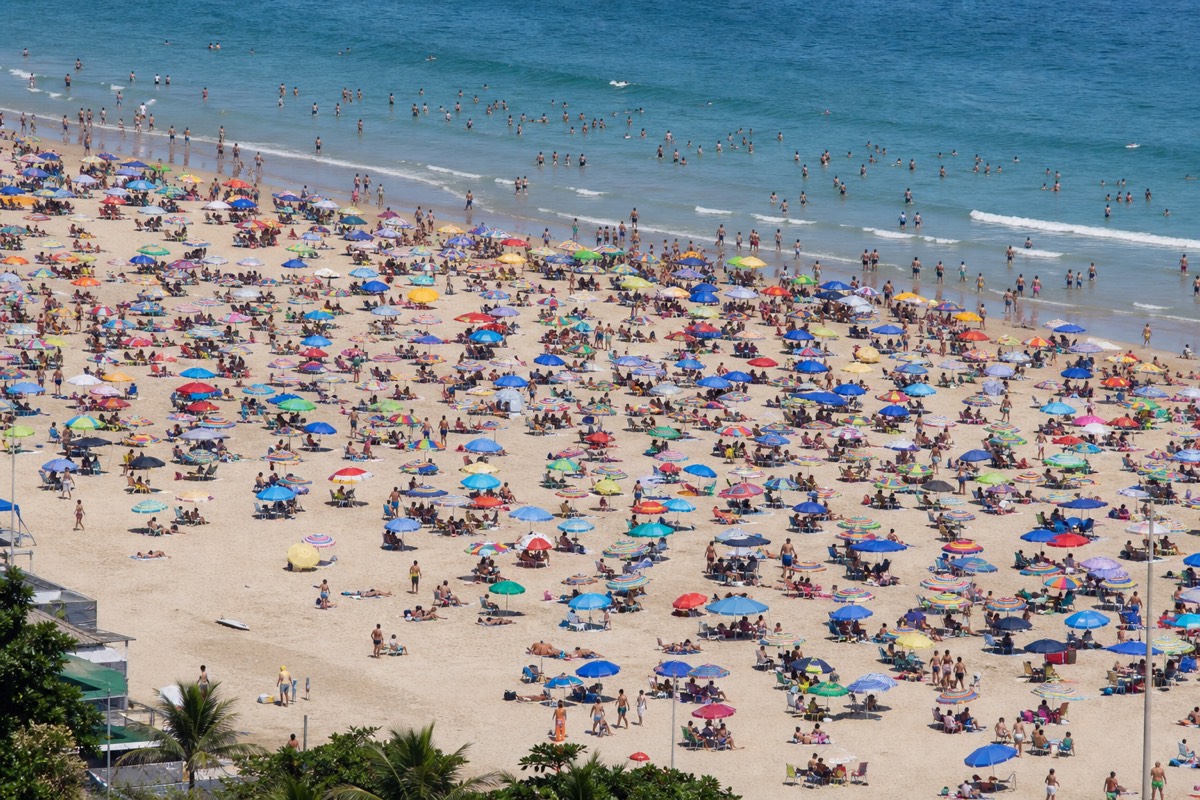
| Season | Months | Daytime | Evening | The thing people forget |
|---|---|---|---|---|
| Peak summer | December to February | Swimwear, light cotton or linen, hat, sunglasses | Long trousers or a dress with a light jacket | A windproof layer for the beach itself, not just for after dark |
| Shoulder | November, March, April | Layers over swimwear, light long sleeves | Proper jacket, closed shoes | The sea is still swimmable, so bring a swimsuit anyway |
| Winter | May to September | Warm layers, windproof outer, closed shoes | Coat and a scarf for the rambla | Rain gear; there is very little shelter on an exposed coast |
| Wine country or inland day | Any month | Closed walking shoes, one layer more than the coast suggests | Smart casual; cellars are cool year-round | Cellars stay cold even on a hot day |
Two habits make all four rows easier. Pack layers rather than heavy single items, because the swing between a sunlit terrace and a windy beach is larger than the swing between one month and the next. And pack for the evening first, because that is the part of the day people consistently under-equip. If the month is still undecided, our guide to the best months to come sets out what each one actually delivers.
How much does the wind change what you wear?
More than the temperature does. The peninsula sits where the Rio de la Plata meets the open Atlantic and catches wind from both sides, which means a still morning can become a breezy afternoon with no change in the forecast temperature. Anything loose, wide-brimmed or unsecured will fight you.
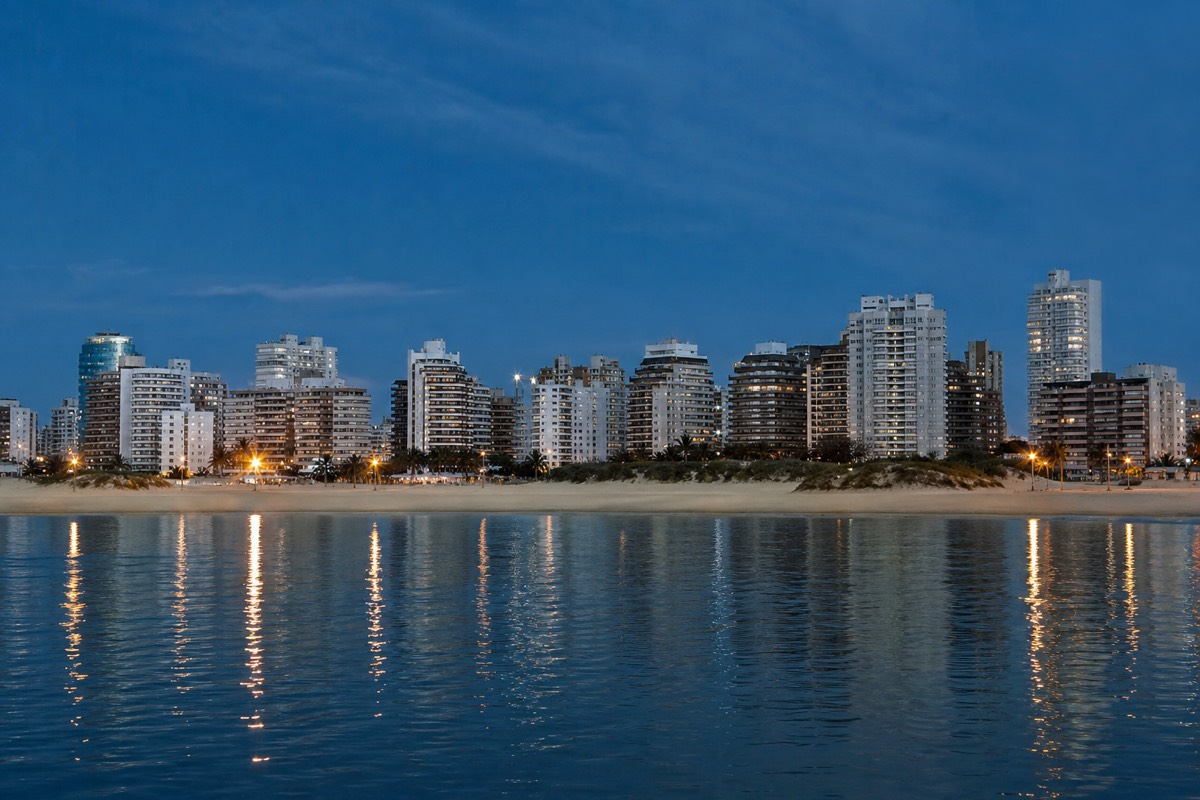
The practical consequences are small but constant. Wide floppy hats blow off, so a hat with a chin cord or a cap earns its place. Loose skirts and sarongs need something to hold them down on the sand. Long hair wants a tie. Sun umbrellas on the beach need proper anchoring, and light beach kit needs weighting or it ends up two dunes downwind.
Wind also changes how the sun feels, and that is the genuinely risky part. A breeze masks the heat on your skin, which is how people burn badly on a day that felt pleasant. On an exposed coast with limited shade, the wind is not cooling you as much as it is hiding the exposure.
The upside is real too. Playa Brava owes its surf to that same exposure, which is why it is a walking and photography beach rather than a swimming one. Our comparison of the two beaches and how they differ covers which one to plan a day around.
What is the dress code at restaurants and beach clubs?
Smart casual, almost everywhere, almost always. Punta del Este is not a jacket-and-tie destination, and it is not a barefoot-in-a-beach-bar destination either. The working standard is clean, considered casual: linen shirts, good sandals or loafers, a dress or well-cut trousers. Swimwear stays at the beach.
The port and the peninsula's better-known restaurants sit at the smarter end of that range in high summer, when the resort is at its most social. Nobody will turn you away for wearing shorts, but you will feel the difference at ten at night in January, when the room is dressed and you are still in the same shirt you swam in.
La Barra runs looser and more bohemian. José Ignacio, further east, has a quiet-luxury register where the clothes are expensive and the effort is invisible. None of these are enforced codes so much as social temperatures, and reading them correctly costs you one packed shirt.
One firm rule that does apply: cover up when you leave the sand. Walking into a restaurant or shop in a swimsuit reads as bad manners here, which is why a cover-up or an oversized shirt is the single most useful item in a Punta del Este bag.
How do you go from beach to dinner without changing twice?
Build the day around one outfit with two states. Swimwear underneath, linen trousers or a dress over the top, a light jacket in the bag, and shoes that work on both sand and pavement. Add a small towel and you can move from Playa Mansa to a table without going back to your room.
This matters most on tour days, when you are not returning to a hotel between stops. A nine or ten hour circuit runs from a cliff-top museum to a beach to a harbour to lunch, and going back to change is not on the schedule. A private guided day on the peninsula gives you a vehicle to leave a bag in, which solves half the problem on its own.
The two-state approach also handles the temperature drop. Late afternoon on this coast cools quickly once the sun is low, and the difference between a comfortable evening and an uncomfortable one is one layer you already had with you. Travellers regularly report the jacket as the item they were most glad to have carried all day.
If sunset is the plan, dress for standing outside in the wind rather than for sitting inside. An afternoon at Casapueblo ends on the open terraces of Carlos Paez Vilaro's cliff-side house, high above the Atlantic and colder than the car park suggested.
Recommended tours by season
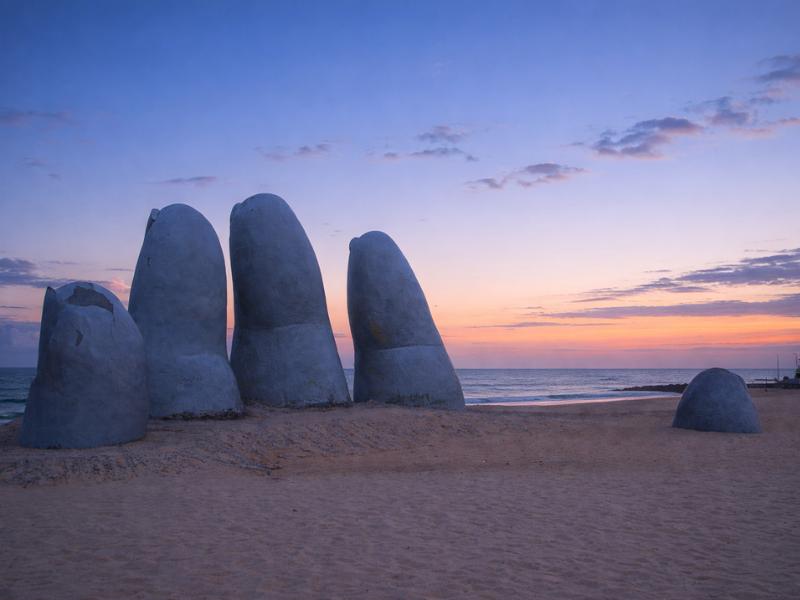
Have It Your Way Private Tour in Punta del Este
Summer on the peninsula: a private ten-hour circuit of both beaches, La Mano, the port and Casapueblo, with a vehicle throughout.
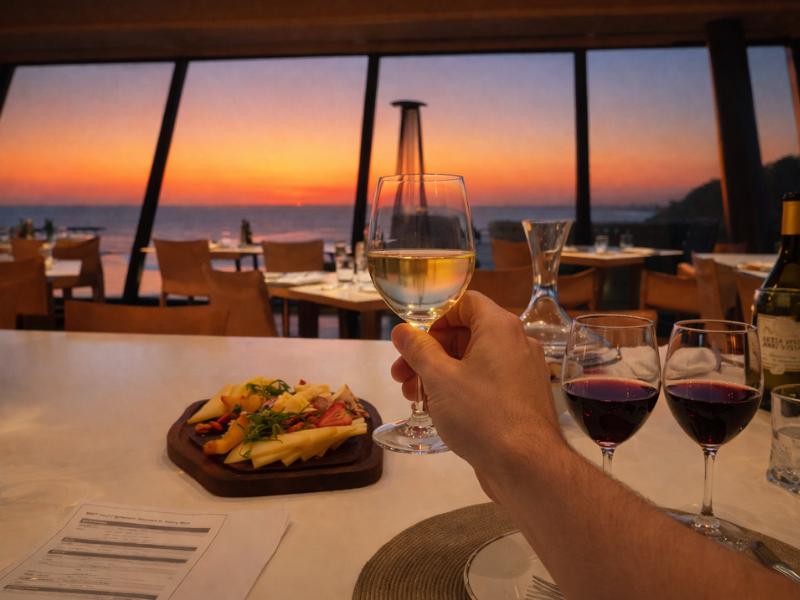
Punta Wine Lovers Tour – Exclusive Tastings & Vineyard Day
A four-hour shoulder-season visit with hotel pickup, a vineyard and cellar walk, and a tasting, then the afternoon free.
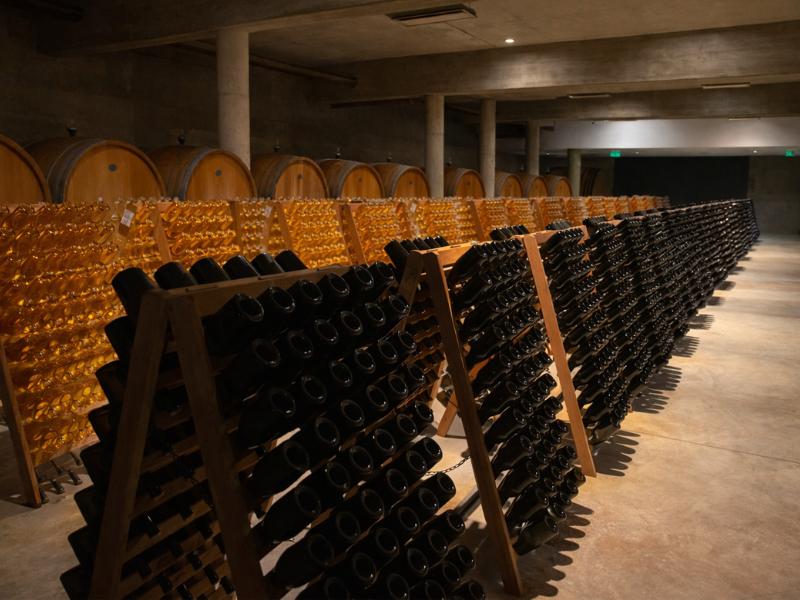
Bodega Garzón Wine Lovers Tour – Exclusive Tastings & Pairings
A seven-hour inland tasting and pairing day at Bodega Garzón, when the open coast is not the plan.
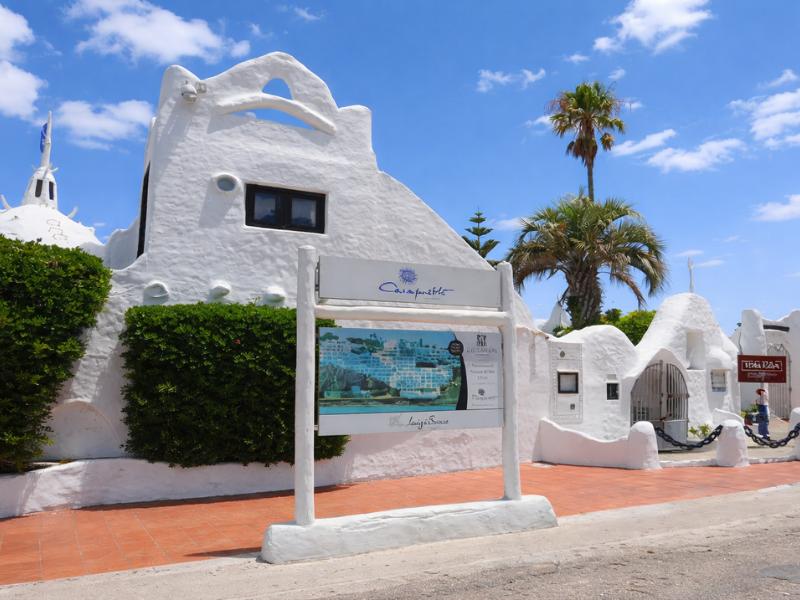
Montevideo to Punta del Este: Full-Day Guided Tour
A nine-hour guided run from Montevideo along the coast, including Casapueblo, Mansa Beach and La Mano.
What footwear works on the rambla, sand and cobbles?
Bring three pairs and no more: flip-flops or slides for the beach, a comfortable walking shoe for the rambla and the port, and one smarter pair for evenings. Heels are a poor choice almost everywhere here, between sand, uneven pavement and the older cobbled streets in Maldonado.
| Where | Surface | What works | What does not |
|---|---|---|---|
| Playa Brava and Playa Mansa | Soft sand, hot at midday | Flip-flops or slides you can carry | Anything you mind filling with sand |
| The rambla and Gorlero Avenue | Pavement, long distances | Trainers or cushioned walking sandals | New shoes and thin soles |
| Puerto de Punta del Este | Damp dockside, occasional slick patches | Grippy soles, closed if it has rained | Smooth-soled dress shoes |
| Casapueblo terraces | Steps, ramps, uneven levels | Flat, secure, closed or strapped | Heels and loose backless sandals |
| Maldonado old town and wineries | Cobbles, gravel, vineyard rows | Closed walking shoes | Open sandals in the vines |
The vineyard row is not a throwaway. Winery visits involve walking between vines and standing on gravel, and open sandals collect small stones within a minute. If you have booked a half-day vineyard visit, closed shoes are the correct call even in January.
What do visitors over-pack and under-pack?
People over-pack formal clothes, heels, and more swimwear than any trip needs. They under-pack windproof layers, sun protection, a cover-up for leaving the beach, and closed shoes. The net effect is a suitcase full of things that stay folded and a shopping trip on day two for things they already own at home.
| Over-packed | Why it stays in the case | Under-packed | Why you will want it |
|---|---|---|---|
| Formal wear, jackets and ties | The resort runs smart-casual, not formal | A windproof light jacket | Afternoon breeze and cool evenings, year-round |
| Heels | Sand, cobbles and uneven pavement defeat them | A beach cover-up | You need it every time you leave the sand |
| Five swimsuits | Two dry faster than you use five | A secured hat and real sunglasses | The wind takes anything loose off your head |
| Heavy beach towels | Bulk without benefit | Closed walking shoes | Wineries, cobbles and long rambla days |
| Full winter coats in summer | Overkill for a January evening | A small dry bag | Keeps phone and cash usable on a windy beach |
Families skew the list differently, with more rash vests and spare dry clothes and fewer evening options, which we cover in our notes on a beach day with kids.
How much sun protection do you actually need here?
Treat this as a high-exposure coast and protect accordingly. Between reflective white sand, water on two sides and very little natural shade, the sun here is stronger than the air temperature suggests, and the constant breeze removes the sensation that would normally warn you.
The practical kit is a high-factor sunscreen you actually reapply, a hat that stays on, proper sunglasses, and something long-sleeved for the middle of the day. A light long-sleeved shirt over swimwear is the most effective single item, because it does not wash off and does not need remembering every two hours.
Shade is worth planning for rather than assuming. The beaches here are open, and if you want cover you generally have to bring or rent it. Building the middle of the day around something indoors, a museum, a long lunch or a cellar visit, is the version of sun protection that also improves the trip.
Uruguay's national tourism board publishes practical visitor guidance in English at Uruguay Natural, which is a sensible place to check current conditions before you travel.
What should you wear for a boat day or a winery day?
For anything on the water, dress a full step warmer than the beach: windproof layer, secured hat, grippy flat shoes, sunglasses with a strap. For a winery day, closed shoes, layers for a cold cellar, and clothes you do not mind smelling faintly of oak and red wine by the afternoon.
On the water, wind chill is the whole story. A boat moving across open water in January is meaningfully colder than the beach you left, and spray adds to it. Take the jacket even if the sky says otherwise, and keep the hat secured or lose it.
Winery days invert the same logic. The vineyard is hot and exposed, then you walk into an aging cellar held deliberately cool, then back out. Layers handle that better than any single garment, and closed shoes handle the gravel and the vine rows. The Tannat grape that dominates Uruguayan reds is worth reading about before you go, if only so the tasting means something.
Both kinds of day are easier with somewhere to leave a bag, which is one underrated advantage of the guided format. Whichever you book from the guided days out in Punta del Este we list, the vehicle travels with you, and that alone lets you carry the layer you would otherwise have left behind.