Is Punta del Este Good for Families with Kids?
One piece of geography decides almost everything about a family trip here: the peninsula splits a calm shallow river beach from an open Atlantic surf beach, and only one of them is for children.
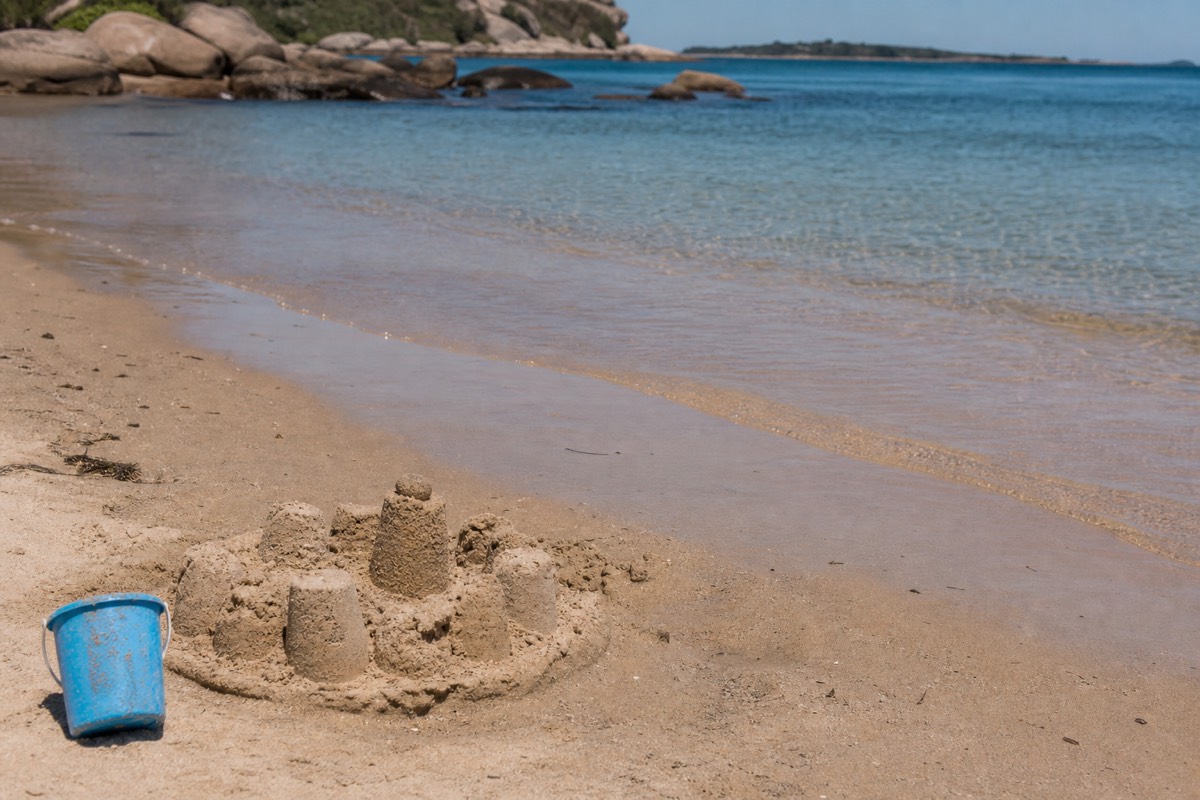
Is Punta del Este good for families with kids?
Yes, and the reason is the two-beach split. The peninsula divides a calm, shallow, sheltered river beach from an open Atlantic surf beach, so families get safe swimming water and dramatic scenery within minutes of each other. Playa Mansa is the family beach. Playa Brava is not.
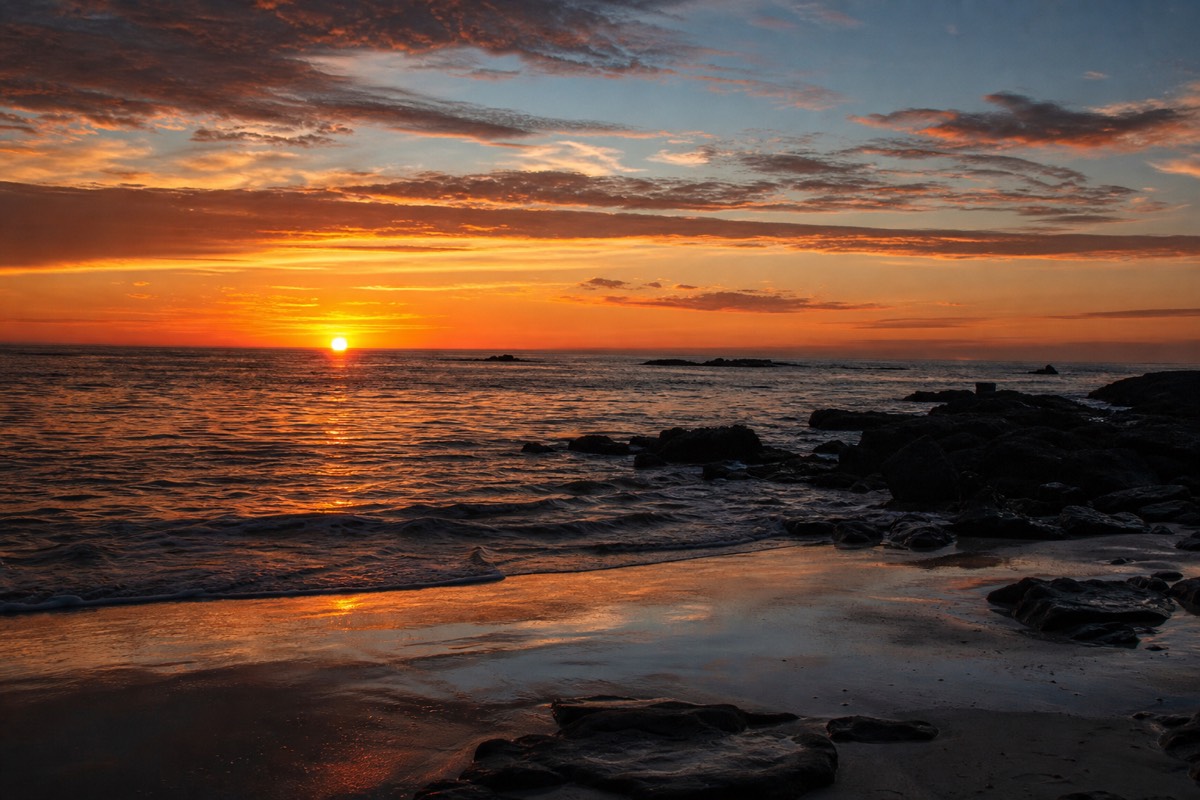
Almost every practical decision a parent makes here follows from that one piece of geography. Where you swim, where you stay and which beach you visit only for the photograph all resolve once you understand that the two coasts behave completely differently.
Beyond the beaches, the resort suits children without trying to be a theme park. The harbour has a resident sea lion colony that costs nothing to visit, the Sunday artisan market at La Barra is loud and cheerful in the way children enjoy, and the peninsula is compact enough that a tired six-year-old is never far from an ice cream and a bench. Uruguay is also one of the calmer countries in South America to travel with children, with a family-oriented beach culture during daylight hours.
Which beach is actually safe for children, Mansa or Brava?
Playa Mansa. It faces the bay, is protected by the peninsula and a sandbar, and often stays knee-deep a long way out, which makes it the swimming and paddling beach. Playa Brava faces the open Atlantic with big rollers, a stronger undertow and red flags posted regularly.
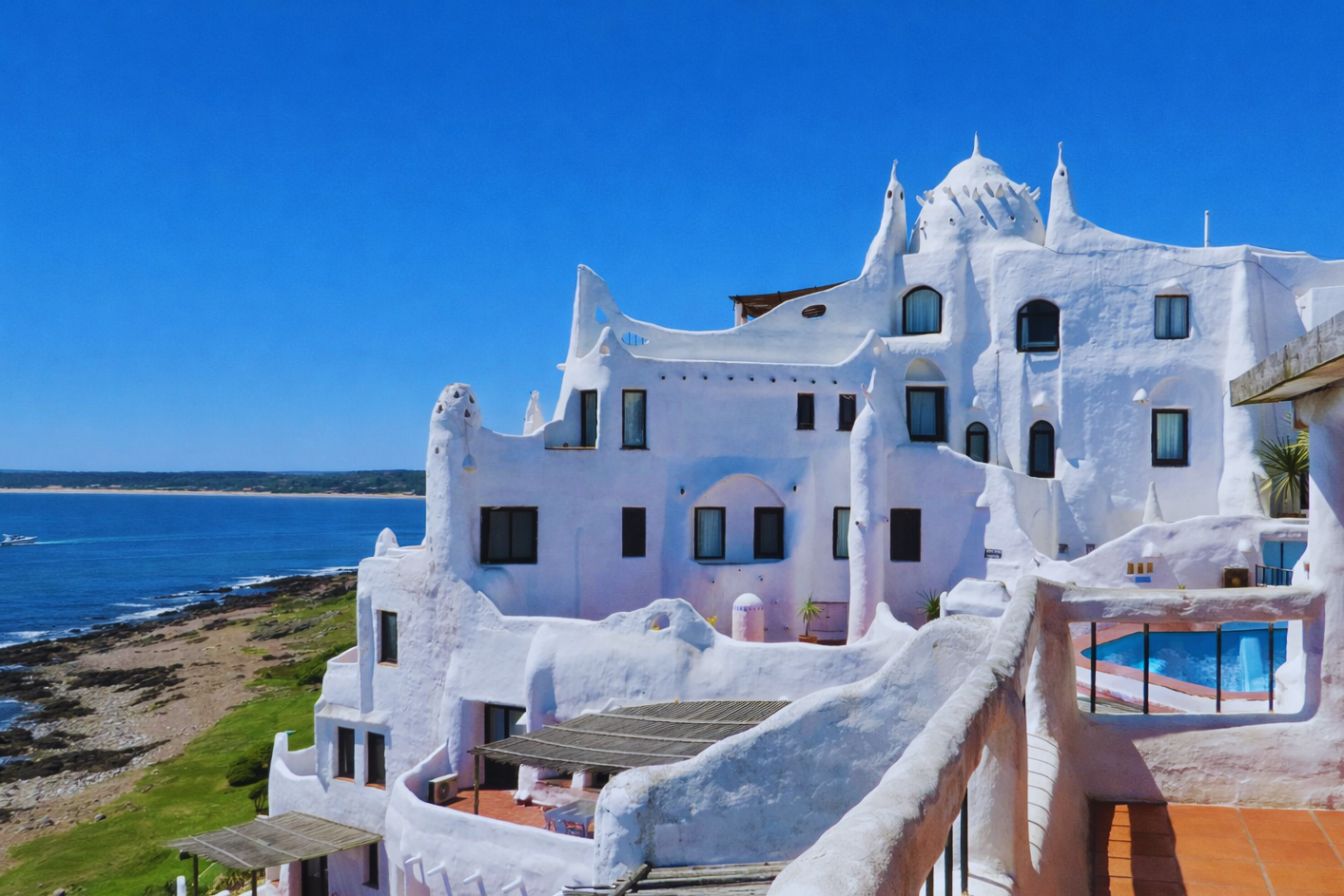
The names give it away. Mansa means tame and Brava means fierce, and both are descriptions rather than marketing. On Mansa the afternoon water is often close to mirror-flat, the sand shelves gently, and the sunset sits out over Isla Gorriti. On Brava the waves are the attraction, surfers are the main users, and the current can catch an adult out.
| Playa Mansa | Playa Brava | |
|---|---|---|
| Faces | The bay and the Rio de la Plata | The open Atlantic |
| Water | Calm, shallow, gentle shelf | Big swells, strong undertow |
| Best for | Swimming, paddling, small children | Surfing, photographs, walking |
| Flags | Rarely an issue | Red flags posted regularly |
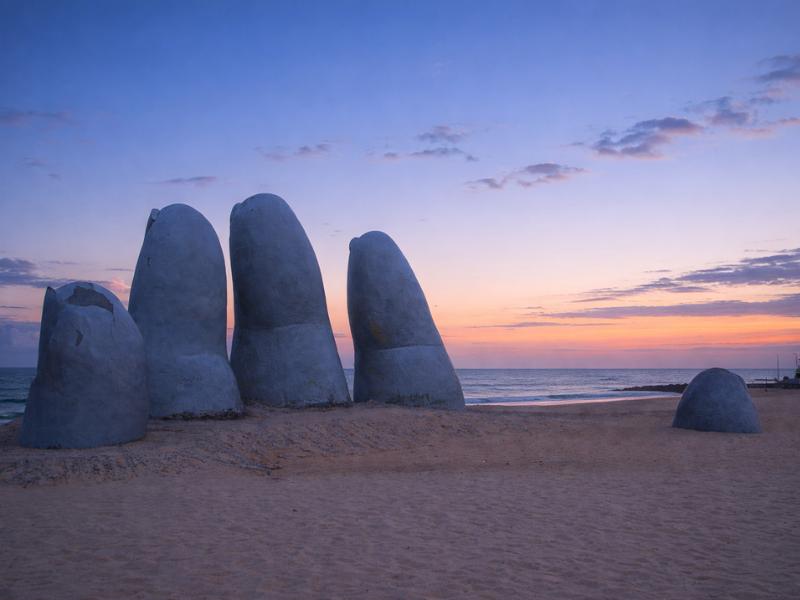
| With kids | Your base for beach days | Visit for La Mano, then leave |
The pattern almost every family lands on is the same: photograph La Mano on Brava, then spend the actual beach hours on Mansa. Our fuller comparison of Brava and Mansa conditions side by side covers flags and swimming detail if you want it.
Are the port sea lions worth taking children to see?
Yes, and they are free. A sea lion colony has taken over the dock structures at the entrance to Puerto de Punta del Este, close enough to watch from the quayside with no ticket, no boat and no booking. For most young children it is the single best twenty minutes in the resort.
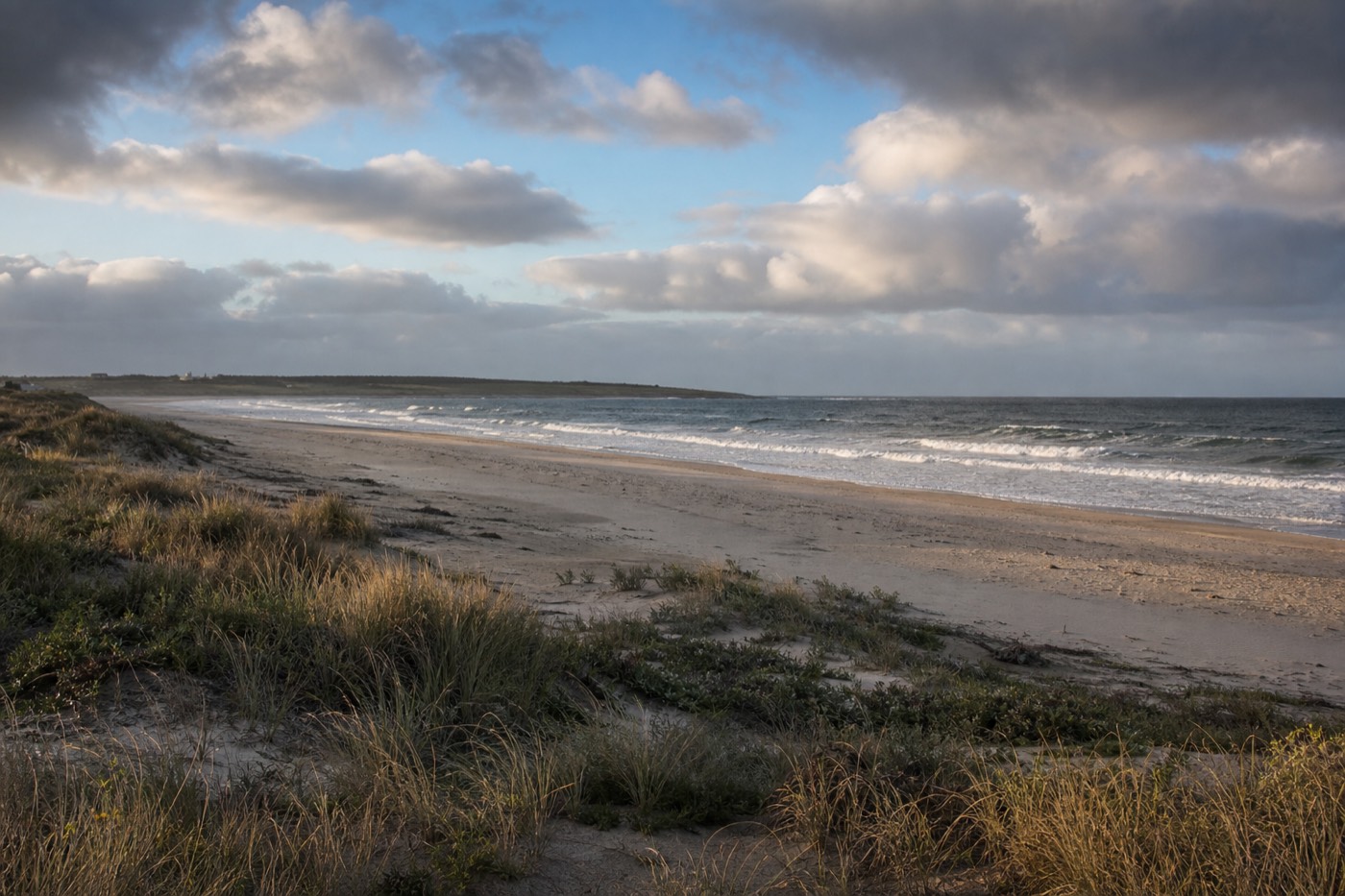
The animals are entirely indifferent to the yachts moored beside them, which is most of the comedy. They haul out on the dock timbers, argue with each other, and behave as if the marina was built for their convenience. Children get large loud animals at close range.
Two honest notes. The colony smells, noticeably, which small children usually find funnier than their parents do. And this is a working harbour, so keep hold of hands near the edge. Morning and late afternoon tend to be the better viewing windows, when the fish market activity is higher.
What we do not sell is a boat trip to Isla de Lobos, the much larger sea lion island offshore. You can see it and its lighthouse from the port on a clear day, and the guided coastal tours point it out, but the dock colony is what you get close to.
Is a nine-hour day tour from Montevideo too long for young children?
For most children under about seven, yes. The Montevideo departures run nine to ten hours door to door with roughly four hours of that in a vehicle. That is a long day for a small child and a hard one for the parent managing it. Older children generally handle it well.
We would rather say this plainly than sell a difficult day. The shared coach version leaves mid-morning, stops at Piriapolis and Casapueblo, reaches the peninsula early afternoon and returns in the evening. It is a good day out on a fixed schedule, with the return drive landing squarely across the early-evening meltdown window.
The table below is our own planning judgement rather than an operator rule. None of these tours publishes a minimum age, and children are welcome on all of them.
| Child's age | Shared 9-hour coach day | Private flexible day |
|---|---|---|
| Under 3 | We would not | Workable if you control the timing |
| 3 to 6 | Hard work for everyone | The sensible choice |
| 7 to 11 | Usually fine with snacks and a screen | More comfortable, more expensive |
| 12 and over | Fine | Only if you want the flexibility |
If you are already staying on the coast rather than in Montevideo, the whole problem shrinks. A local day on the peninsula removes the four hours of road time entirely, which is the single biggest improvement you can make to a family itinerary here.
Why does a private tour work better with children?
Because it flexes. A private vehicle and guide can start when your children wake, stop when they need to eat, cut a museum short and add beach time instead. Fixed group departures cannot do any of that, and with young children the ability to change the plan mid-morning is the whole game.
The customisable private tour of the peninsula is built around exactly this. It starts at a time you choose, runs a modern air-conditioned vehicle with wifi on board, and covers Playa Mansa and Brava, La Mano, the harbour with its sea lions, Punta Ballena and Casapueblo in whatever order suits. The operator lists infant seats as available on request and asks you to share your interests by message in advance, which is the moment to say you are travelling with a three-year-old.
One accessibility note straight from the listing: wheelchairs and strollers need to be foldable unless you request a larger vehicle when booking. If you are travelling with a bulky pushchair, arrange the upgrade rather than assuming.
From Montevideo, the private sightseeing day trip is the family-friendlier of the two Montevideo options, with door-to-door pickup and a private vehicle, though it still runs nine hours and requires a minimum of four people. The shared full-day guided tour remains the cheapest way to see the coast at $49 per person at the time of writing, and it works well with school-age children and above.
When is the best time of year to bring children?
March or November rather than January. The sea is still warm enough to swim in the shoulder months, the beaches are far less crowded, and prices on accommodation and tours drop by roughly 30 to 60 percent. January and February deliver hot weather and packed sand in equal measure.
This is the advice our team gives every family that asks, and it is the opposite of what the calendar suggests, which is why we point people to a private day on the peninsula in March or November. High season in Uruguay runs December to February, when Punta del Este operates at full intensity: crowded beaches, long waits at La Mano and Casapueblo, difficult parking and a nightlife-driven town centre that is not aimed at families.
| Period | Conditions | With children |
|---|---|---|
| December to February | Hot, warm sea, peak crowds, peak prices | Best swimming, worst crowds and cost |
| March | Warm, sea still swimmable, crowds gone after Easter | Our first choice for families |
| November | Pre-summer calm, lowest prices, good light | Excellent value, sea a little cooler |
| April | Mild, quiet, some seasonal closures east of the bridge | Fine for a shorter beach-light trip |
| May to October | Cool and quiet, much of the coast closed | Not a beach holiday |
The month you pick also changes where you should base yourself, which our guide to choosing which area to stay in works through, and the seasonal detail sits in the month-by-month case for when to visit.
Recommended tours by season
Have It Your Way Private Tour in Punta del Este
A ten-hour private day that starts when you choose. Covers Playa Mansa and Brava, La Mano, the harbour sea lions and Casapueblo. Infant seats on request.
Montevideo to Punta del Este: Full-Day Guided Tour
A nine-hour shared coach from Montevideo via Piriapolis and Casapueblo. The $49 option, more realistic once children are school-age.
Montevideo to Punta del Este Sightseeing Adventure Day Trip
A private nine-hour day from Montevideo with door-to-door pickup. Requires a minimum of four people.
From Montevideo: Private Luxe Punta del Este Day Tour
A ten-hour private day tour from Montevideo to Punta del Este, useful when the trip is not built around swimming.
What surprises families about the daily rhythm in Uruguay?
Dinner runs late. Restaurants across Uruguay fill well into the evening rather than at six, and kitchens in resort areas often do not get busy until after most northern-hemisphere families would have finished. Plan a large late lunch and treat dinner as flexible, or you will be eating alone.
This catches out more families than anything else here. The fix is simple once you know: shift the whole day later, use the long afternoon at the beach, and make lunch the substantial meal. Beach vendors and harbour cafes cover the gap.
The second rhythm point is the sun. Summer days on this coast are hot and the ultraviolet is strong even under cloud, so the middle of the day belongs indoors or under shade rather than on open sand. Uruguay's national tourism body, Uruguay Natural, is a sensible reference for seasonal opening hours if you are travelling outside high summer, when a good deal of the coast operates on reduced schedules.
Third, distances between the coastal villages are longer than they look on a map, and a spontaneous drive to Jose Ignacio with tired children in the back is rarely the good idea it seems at breakfast.
What should you pack for a beach day with kids?
Sun protection above everything, then quick-dry layers and small cash. Summer days here run hot, sunny and windy with strong ultraviolet, so hats, high-SPF waterproof sunscreen, rash guards and a shade option matter more than any beach toy you can buy at home.
The wind is the part people miss. It is steady here, which makes the heat feel manageable and the sunburn arrive faster than expected, and it blows sand around on Brava in a way small children find miserable. Reapply sunscreen more often than feels necessary.
- Swimwear worn under clothes, plus a quick-dry cover-up or oversized shirt for leaving the beach
- Rash guards, wide-brim hats and polarised sunglasses
- High-SPF waterproof sunscreen and SPF lip balm, reapplied every one to two hours
- Microfibre towels, a reusable water bottle and a waterproof pouch for phones
- Small Uruguayan peso notes for beach chairs, umbrellas, snacks and vendors
- Insect repellent for late afternoon near the dunes, and flip-flops or water shoes for hot midday sand
Beaches here have vendors selling food and drink, so you do not need to carry a full picnic. Pack for sun and water rather than for self-sufficiency, and see what to wear on this coast for the wider clothing question.
What is worth skipping with children?
Skip the wine tours, skip swimming at Playa Brava, and skip January if you have any choice. The winery excursions are built around adult tastings, the Atlantic side is not a paddling beach, and peak summer turns a relaxed resort into a queue with a view.
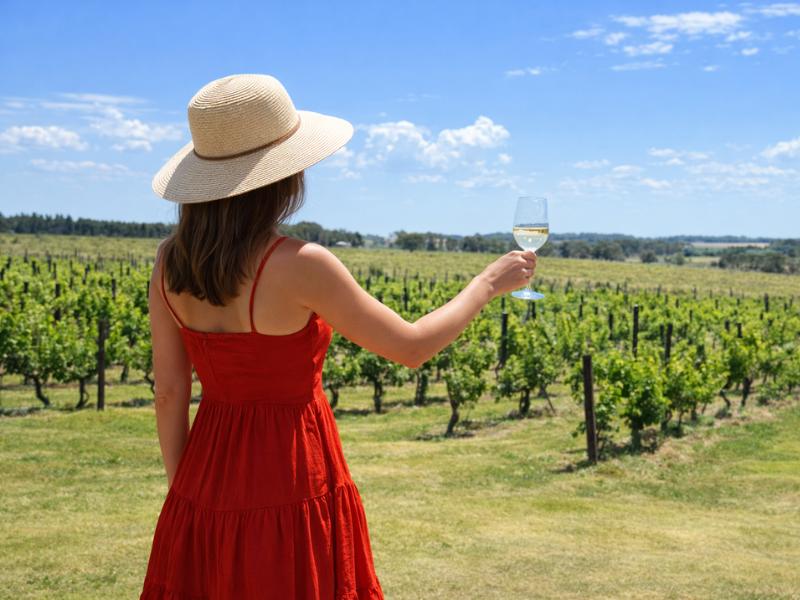
The two wine tours we list are excellent and entirely unsuitable as family outings. One runs four hours around a boutique vineyard with tastings and cheese, the other is a full day at Bodega Garzon, which the operator states is not wheelchair accessible. A cellar tour with a bored seven-year-old helps nobody.
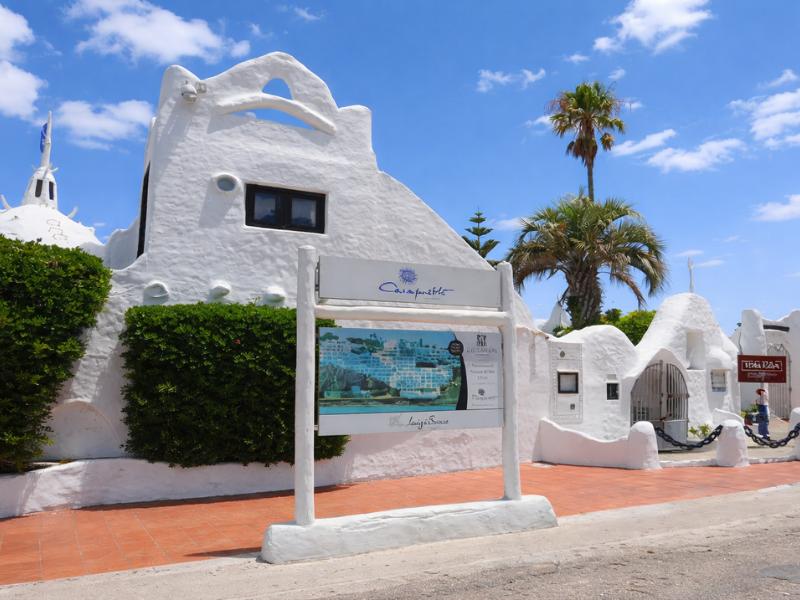
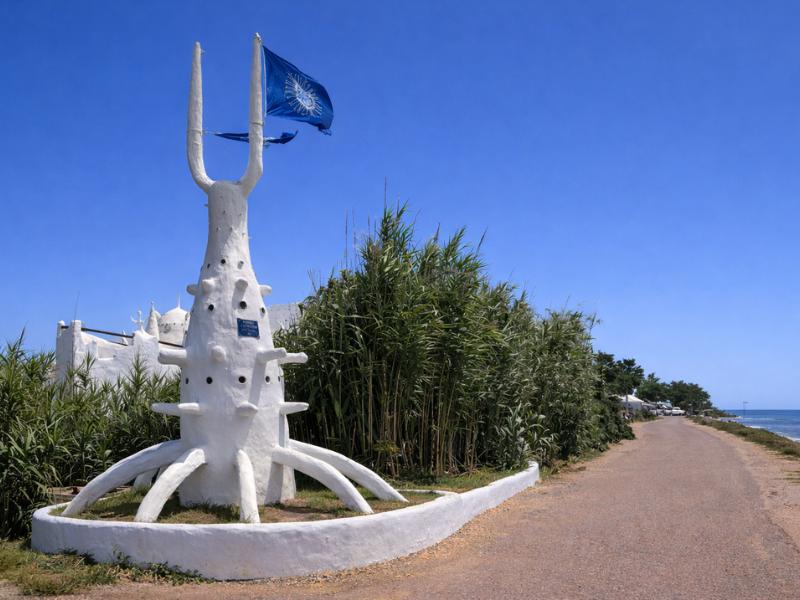
Casapueblo is the borderline case. The white cliffside compound Carlos Paez Vilaro built at Punta Ballena is worth ninety minutes for an adult, and children usually enjoy the strangeness of it, the curved walls and the drop to the Atlantic. It has stairs and open terraces above a cliff, so it needs supervision rather than avoidance. Admission is not included on any tour we list.
Nightlife is the other clear skip. Punta del Este after dark, particularly in La Barra during January, is loud, late and firmly adult. Families who want an evening out do better at the harbour, where the yachts, the sea lions and the restaurants sit together and the atmosphere stays civil. Everything else you might weigh up is covered across the guided tours of Punta del Este we feature.