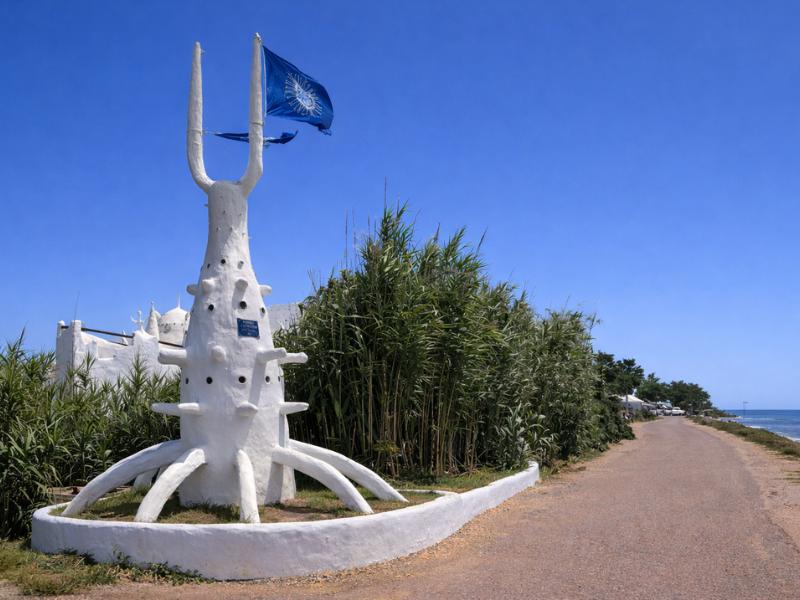
José Ignacio Day Trip from Punta del Este: What to Expect
Forty five kilometres east of the Punta del Este peninsula sits a village of fewer than three hundred permanent residents with a lighthouse, a very good reputation and a season that lasts about ten weeks. Here is what a day there actually gives you.
Where José Ignacio sits on the coast
Distances are road distances east from the Punta del Este peninsula. Manantiales is shown between La Barra and José Ignacio without a published figure of its own.
Where is José Ignacio and how far is it from Punta del Este?
José Ignacio sits east along the Atlantic shore in Uruguay's Maldonado Department, on Route 10 past the lagoon that carries the same name. From the Punta del Este peninsula it is roughly ten kilometres to La Barra and about thirty five kilometres beyond that, so allow for something close to forty five kilometres of coast road in each direction.
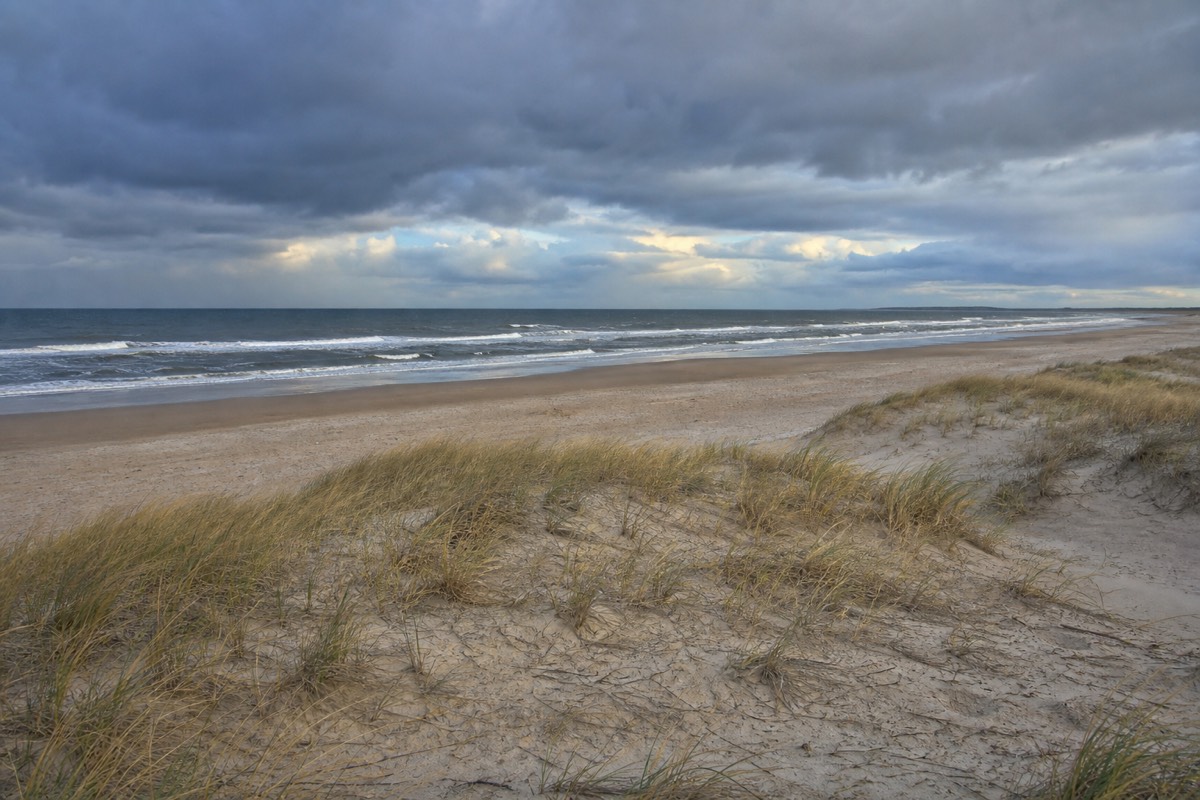
The geography matters more here than the mileage does. Punta del Este occupies a narrow peninsula at the point where the Río de la Plata meets the open Atlantic, which is why it has two beaches with completely different personalities. Cross the Maldonado River at La Barra, keep driving east, and the river influence falls away. What remains is plain Atlantic coast: long, straight, wind-exposed sand backed by low dune and pine.
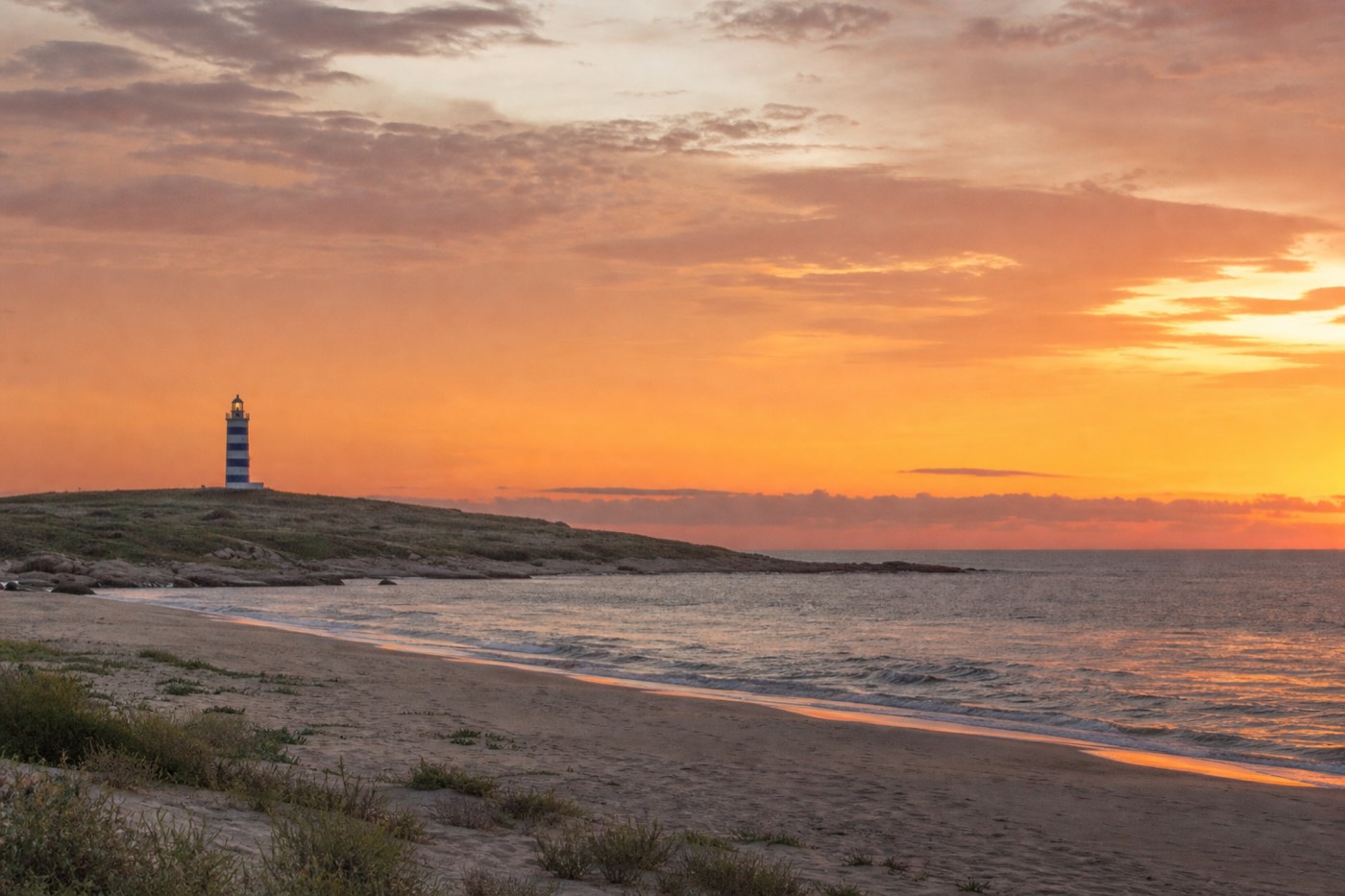
José Ignacio is the spot where that coastline pinches into a small headland, and a lighthouse stands on the point. The village around it recorded 292 permanent residents at the 2011 census. That single figure explains most of what follows, because a place of three hundred people cannot support a year-round restaurant scene, a year-round shop scene, or a year-round anything. The public record of the village also notes that a British ship called the Norman wrecked nearby in April 1873, when this was a fishing settlement and nothing more.
All of it sits inside Maldonado Department, 4,793 square kilometres holding 212,951 inhabitants as of 2023, where tourism has shaped the southern coastal belt since the 1950s. José Ignacio was among the last stretches of that belt to be built on, and the delay is exactly why it looks the way it does today.
| Point on the coast | Roughly how far east of the peninsula | What dominates the view | Suits |
|---|---|---|---|
| Punta del Este peninsula | 0 km, this is the reference point | Towers, the marina, La Mano on Playa Brava | First-timers who want the icons within walking distance |
| La Barra | About 10 km, across the undulating bridge | The Leonel Viera bridge, galleries, small shops | Photographers, browsers, anyone travelling on a Sunday |
| Manantiales | Between La Barra and José Ignacio | Quieter beach strip with far less built frontage | People who want sand without a town attached |
| José Ignacio | About 45 km in total | Lighthouse, low-rise houses, open Atlantic | Quiet-luxury travellers and anyone tired of crowds |
How do you actually get from Punta del Este to José Ignacio?
Four realistic options exist: drive yourself along Route 10, take a taxi or remise for a fixed fare, build the village into a customisable private day tour, or arrive as part of a Bodega Garzón trip that offers José Ignacio as a pickup point. There is no rail link and no dependable year-round shuttle for visitors.
Driving is the default for most people. Route 10 hugs the shore the whole way and the surface is good, but the road is single carriageway for long stretches and it clogs badly in January and February when the whole coast is moving between beaches at the same hours. Our own standing advice for the region, that March and November beat January, applies with double force to a road trip east.
A taxi or a locally hired remise works well if you are not driving. Agree the fare and the waiting time before you get in, because a return trip with a two or three hour wait at the far end is a different product from a one-way drop, and the drivers price it that way.
The third route is the one we would push for a visitor without a car. The flexible private day with a local driver and guide is listed at $280 per group for up to ten hours at the time of writing, and its entire premise is that you set the stops. That format handles a run east far better than a fixed-itinerary coach, because the drive out and back eats a real chunk of the day and only a private vehicle lets you decide how to spend what is left. Check the live listing for current pricing before you plan around a number.
There is a fourth door that most visitors miss. The winery day at Bodega Garzón lists its 10:00 pickup as available from Punta del Este, La Barra or José Ignacio, which means anyone already staying in the village can join it without backtracking to the peninsula first. It runs seven hours at $200 per group at the time of writing, with about four hours of leisure time at the estate.
| Way in | Flexibility | What it costs you | Honest catch |
|---|---|---|---|
| Own or hired car | Total | Fuel, plus parking hassle in peak weeks | Route 10 backs up badly in January and February |
| Taxi or remise | High if you pre-agree a wait | Fare quoted per vehicle, agree it up front | Return fares with a long wait are priced differently from a drop |
| Customisable private tour | Total, you pick the stops | From $280 per group, 10 hours, at the time of writing | The drive out and back is real time you have to budget |
| Garzón winery day | Fixed route, but pickup offered in the village | From $200 per group, 7 hours, at the time of writing | The day is about the winery, not about José Ignacio |
| Public bus | Low | Cheapest option on paper | We will not publish a timetable we cannot verify, and services thin out sharply outside summer |
What makes José Ignacio the opposite of Punta del Este?
Punta del Este is vertical, crowded and loud in season, built around towers, a marina and a peninsula that packs everything into walking distance. José Ignacio is horizontal, tiny and deliberately understated, a former fishing village where the tallest thing is the lighthouse and the point is that nothing announces itself.
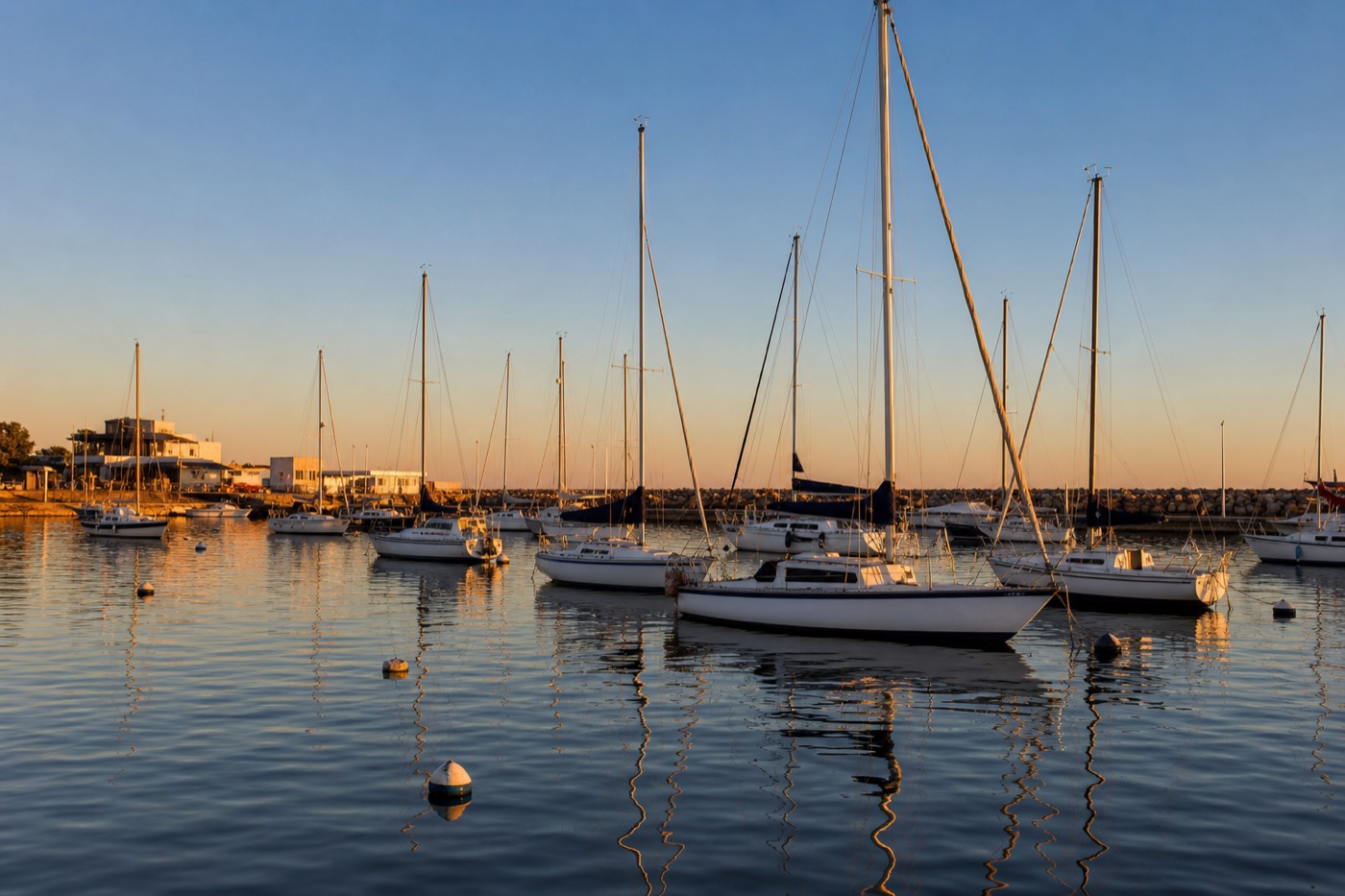
Stand on Gorlero Avenue in January and the peninsula tells you exactly what it is. Traffic, restaurant queues, apartment blocks looking out over both beaches, and a marina full of boats belonging to people who like being seen owning boats. It is genuinely good at being that, and our team's read on the peninsula is that the energy is the product rather than a side effect of it.
José Ignacio inverts every one of those signals. Houses are low and mostly white or grey. Streets are sand or gravel in places. Very little of it is more than one storey visible above the dune line, and the effect is that the sky and the water do the work the architecture does on the peninsula. Travellers regularly report that the first ten minutes feel like an anticlimax, followed by an hour in which the quiet becomes the entire appeal.
The word people reach for is understated, and it is accurate, but understated does not mean cheap. Quiet luxury is still luxury and it is priced accordingly. In the 2020s the village also picked up a reputation as an arts destination, which added galleries and design shops to what had been a beach and a handful of restaurants. Our team's read is that this is a place with a very specific appeal that either lands immediately or does not land at all.
Is the José Ignacio lighthouse worth the stop?
The Punta José Ignacio lighthouse is the village's one unambiguous landmark and it anchors the headland, the photographs and most people's mental image of the place. It is worth walking to, it takes very little time, and it is not on its own a reason to drive forty five kilometres each way.
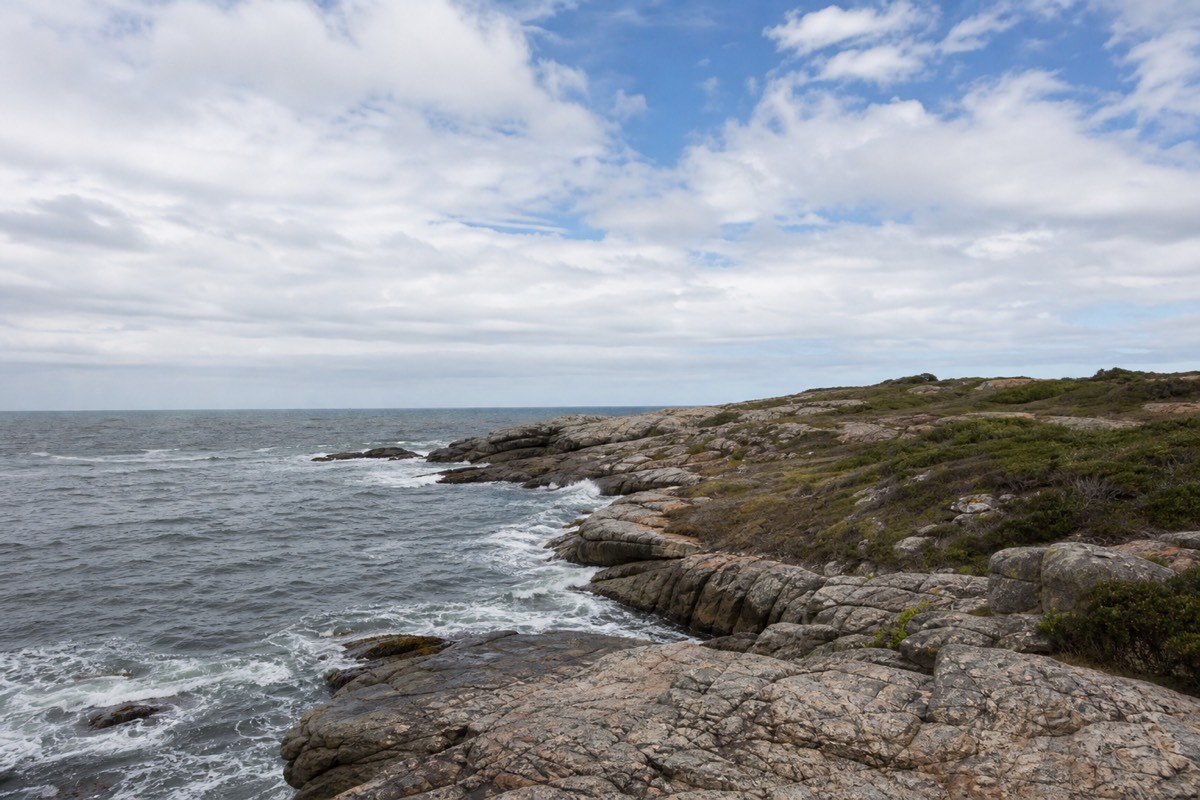
Landmarks on this coast fall into two categories. Some of them justify a trip in isolation, like the cliffside compound at Punta Ballena, which our own guidance says deserves at least ninety minutes. Others are the visual full stop on a place you came to for other reasons. The lighthouse belongs in the second category, and treating it as the first is the most common way visitors end up disappointed.
What the lighthouse does well is give the headland a centre. The land narrows, the Atlantic wraps around both sides, the tower sits at the pivot, and every angle you shoot from puts water behind it. Late afternoon is kinder than midday, as it is everywhere on this coast, because the light comes in low off the land rather than flattening everything from overhead.
Access arrangements at working lighthouses change, and we will not publish opening hours or climb permissions we cannot verify for the season you are travelling in. Assume you are photographing it from the outside, treat any interior access as a bonus, and build the rest of your day around the beaches and the village instead.
How do José Ignacio's beaches compare to Playa Brava and Playa Mansa?
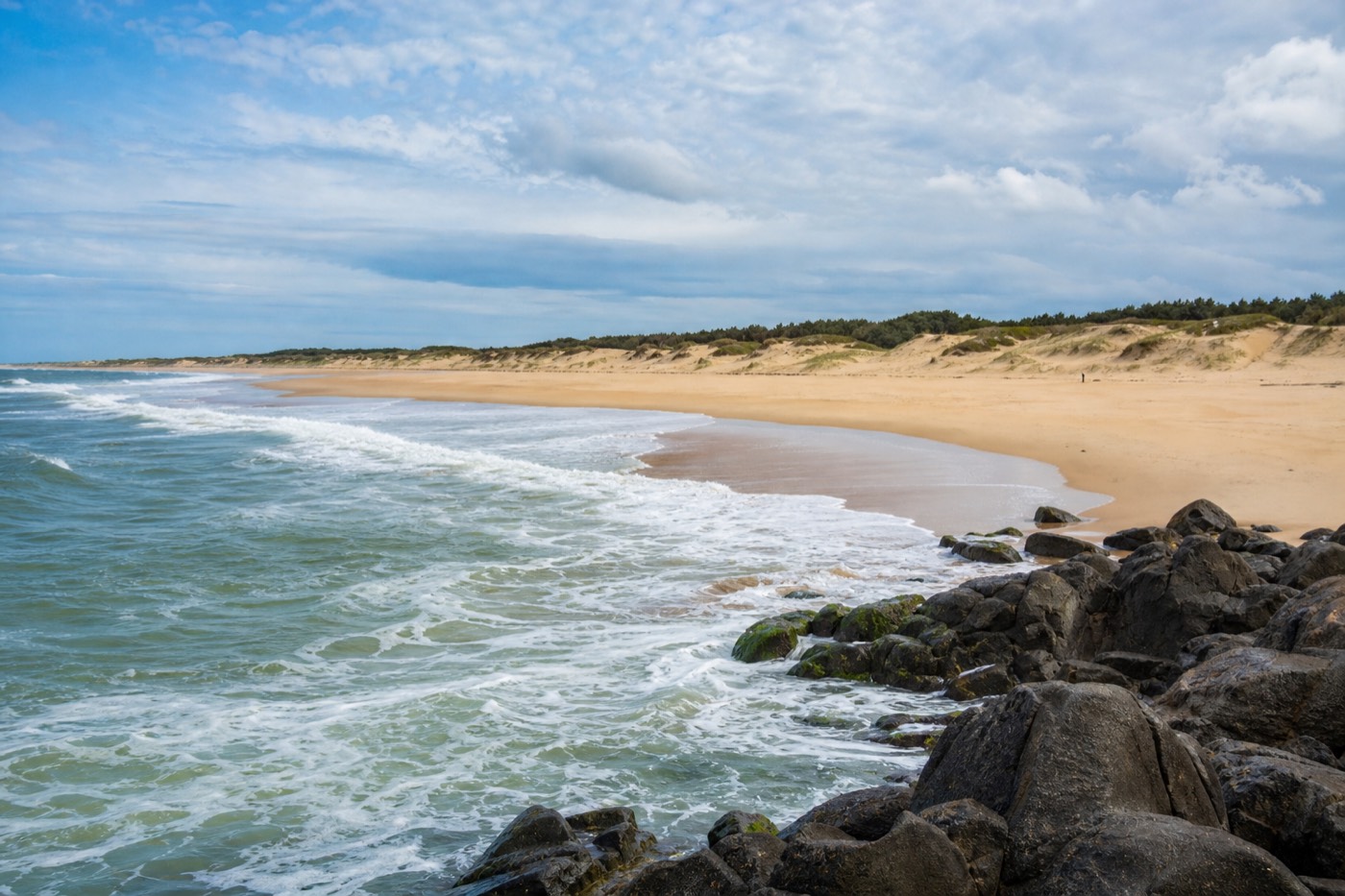
Punta del Este gives you a genuine choice between rough and calm because the peninsula shelters one side. José Ignacio does not have that shelter. Its sand faces the open Atlantic on both flanks of the point, which means bigger air, stronger wind, more space per person, and fewer of the services you get on a peninsula beach.
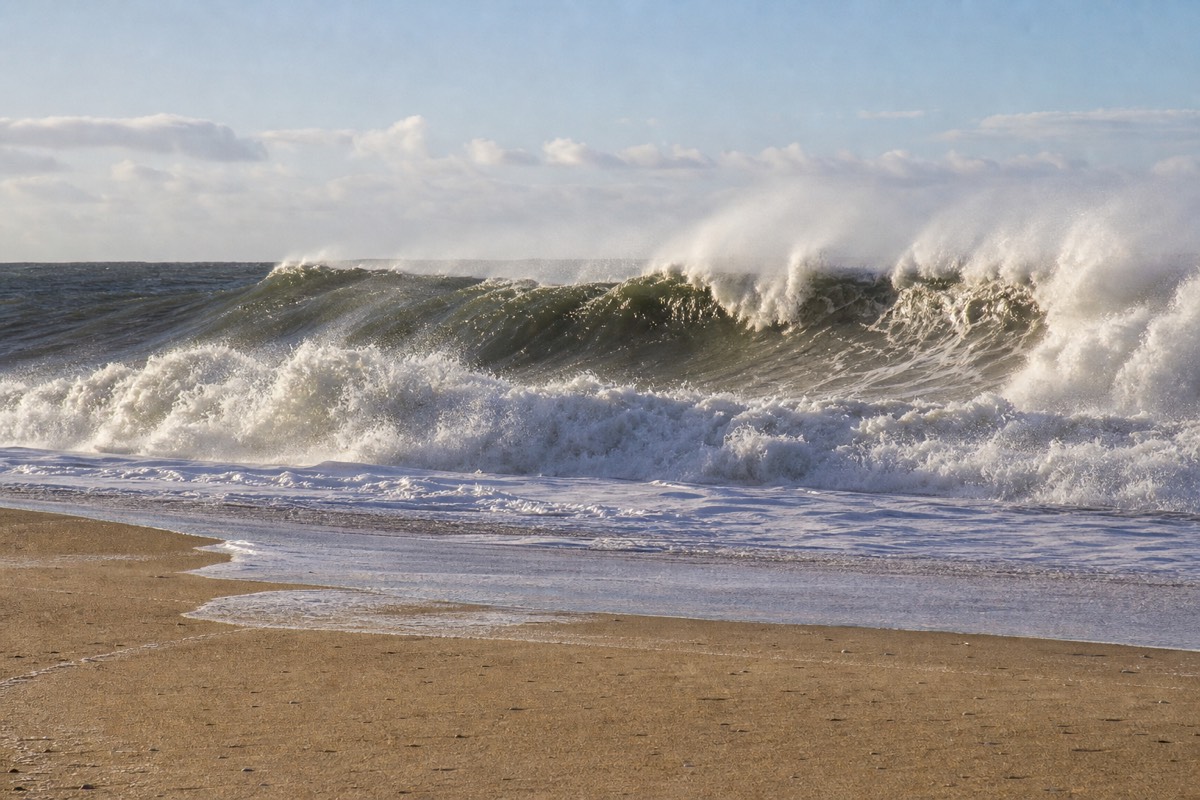
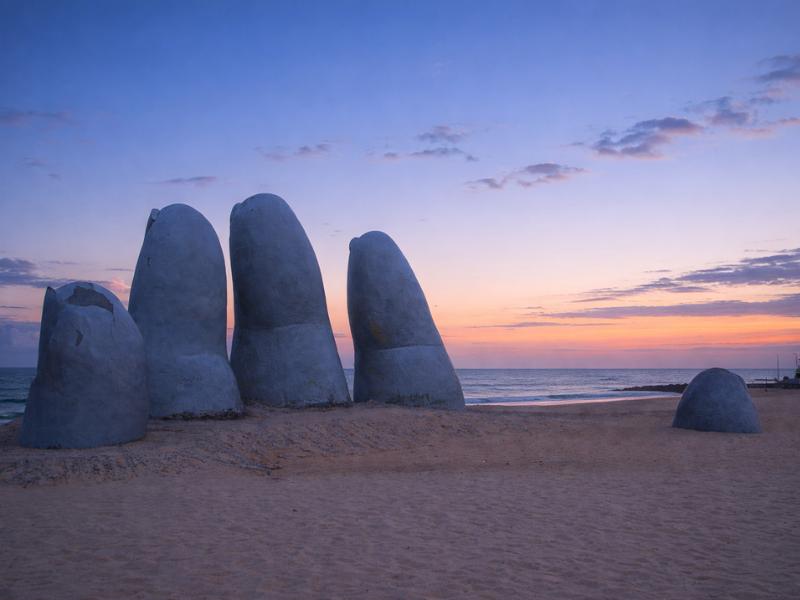
The peninsula's split is the single most useful thing a first-time visitor can understand about Punta del Este, and we set it out properly in the guide to how the two peninsula beaches differ. Playa Brava faces the ocean, carries proper swell and posts red flags regularly. Playa Mansa faces the bay, stays shallow a long way out and is where families actually swim.
José Ignacio offers no equivalent trade. What it offers instead is scale. The beaches are wide, they run for a long way, and even in a busy week the density of people per hundred metres of sand is nothing like the peninsula in the same week. Playa Juanita is one of the named stretches here. The trade-off is real: fewer rented loungers, fewer vendors walking the sand with drinks, fewer places to duck into when the wind gets up, and it does get up.
Wind is the underrated variable. This is an exposed Atlantic frontage with no headland doing any sheltering, so a day that is pleasant on Playa Mansa can be a sandblasting forty five kilometres east. Check the forecast the morning you go rather than the night before, and carry something with sleeves regardless of the temperature.
| Beach | Water | Space in high season | Services on the sand | Best for |
|---|---|---|---|---|
| Playa Brava, peninsula | Open Atlantic swell, red flags common | Busy, especially near La Mano | Good, town is right behind you | Photographs, surf watching, the sculpture |
| Playa Mansa, peninsula | Sheltered, shallow, gentle | Busy but spread out | Good, loungers and vendors | Families and actual swimming |
| José Ignacio, ocean side of the point | Open Atlantic, exposed, windy | Roomy even in a busy week | Thin, plan to be self-sufficient | Long walks and empty horizons |
| José Ignacio, sheltered flank of the point | Calmer than the ocean side, still Atlantic | The most used sand in the village | Some, concentrated near the village | A half day parked in one spot |
What is the food scene in José Ignacio really like?
José Ignacio's reputation rests on a small number of well-regarded restaurants, several of them beachfront, working with local fish and open fire cooking. The scene is small, expensive and tightly seasonal. In January it is booked out; in June much of it is dark, and that swing is the fact most visitors are not told.
Recommended tours by season
Have It Your Way Private Tour in Punta del Este
Ten-hour private tour from Punta del Este. You set the itinerary, which is the useful format for December to February when Route 10 is at its busiest.
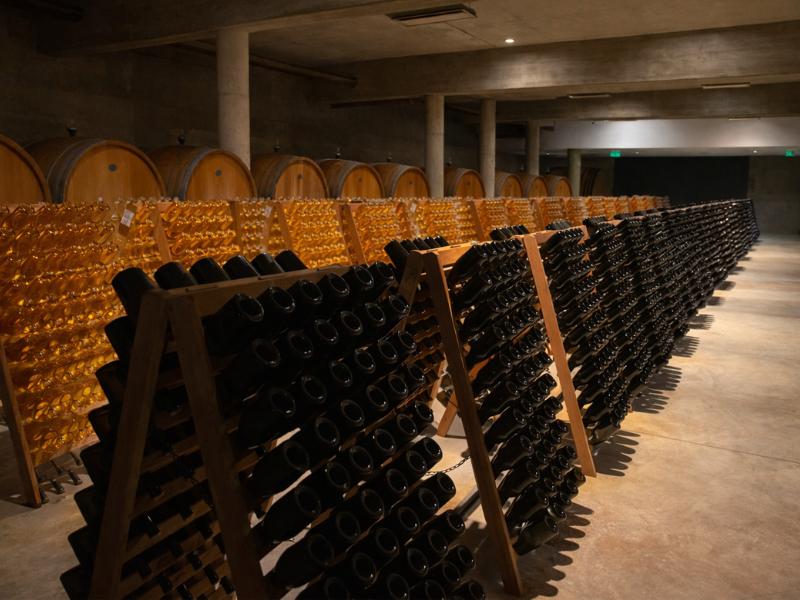
Bodega Garzón Wine Lovers Tour – Exclusive Tastings & Pairings
Seven-hour winery day with 10:00 pickup listed from Punta del Este, La Barra or José Ignacio. Suits November and March, when the village can still serve as a start point.
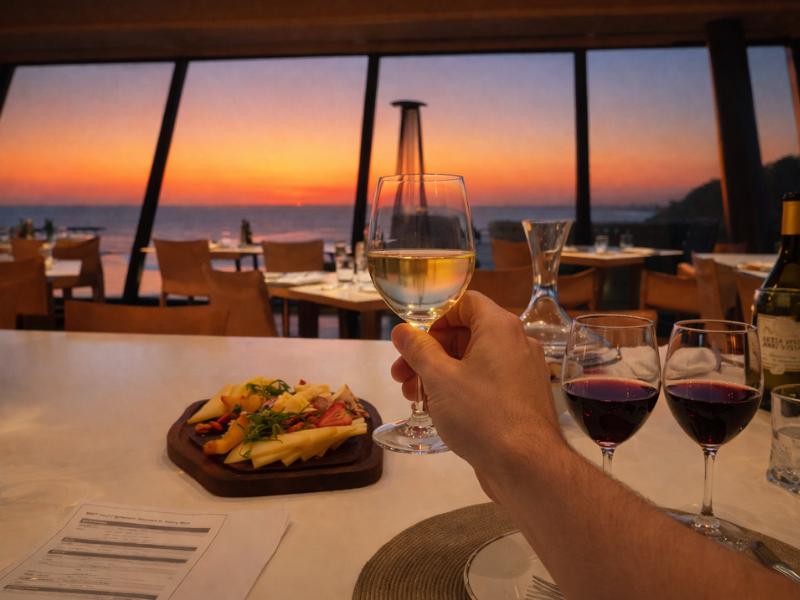
Punta Wine Lovers Tour – Exclusive Tastings & Vineyard Day
Four-hour tastings and vineyard day. The shorter wine option if you want the shoulder months on the coast and a tasting without a seven-hour transfer.
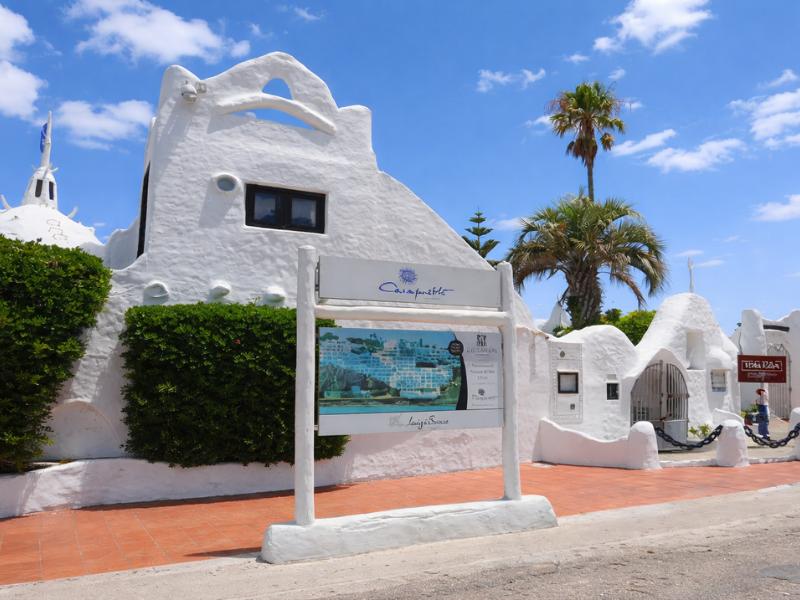
Montevideo to Punta del Este: Full-Day Guided Tour
Nine-hour guided tour from Montevideo to the peninsula. Fits June to September, when a drive to José Ignacio is a poor use of the day, and fits single-day visits.
We are not going to invent restaurant names, prices or opening hours for you, because those change every season and a wrong one wastes your entire drive. What we can say with confidence is structural. This is a village of a few hundred permanent residents that hosts a wildly disproportionate number of visitors for roughly ten weeks a year, and its kitchens are built around that shape.
The practical consequence is simple. Book. Not the day before, and in the peak fortnight around New Year, not the week before either. Turning up at a José Ignacio beach restaurant at 21:00 on a January Saturday without a reservation is the single most common way to end a day trip badly. The same pressure exists on the peninsula, which is part of why we cover what this coast genuinely costs as its own subject.
Wine is the other half of the meal here, and Uruguay's answer is Tannat. The Maldonado hills inland from this coast have attracted serious investment since the early 2000s, and if the food side of José Ignacio appeals to you, the wine side deserves a day of its own. Our guide to the wine country behind the coast maps out what is reachable.
When is José Ignacio open, and when is it shuttered?
José Ignacio is the most seasonal place on this coast. Roughly December through February it operates at full capacity, November and March run at a reduced but genuinely pleasant level, and from about May to September a large share of the restaurants, shops and galleries simply close because there is no one to serve.
Punta del Este has a season too, and the site's own long-standing advice is to travel in March or November rather than January, when accommodation and tour prices sit 30 to 60 percent below peak and the beaches are far less crowded. That advice is calibrated for the peninsula, which has enough permanent population and enough year-round business to stay functional in winter.
José Ignacio does not have that floor. Two hundred and ninety two permanent residents cannot sustain a winter restaurant scene, so the scene goes away. A visitor who applies the peninsula's shoulder-season logic to José Ignacio in June arrives to a beautiful empty headland, a lighthouse, a great deal of sand and almost nothing else open. Some travellers want exactly that. Most do not, and nobody enjoys discovering it after a forty five kilometre drive.
The month bands below are planning allowances in our own voice rather than a promise from any operator. Individual businesses set their own calendars and a warm autumn can extend the season by weeks.
| Months | How much is open | Crowds | Our read for a day visitor |
|---|---|---|---|
| December to February | Everything, at full stretch | Peak, book food well ahead | Go, but reserve and travel outside the middle hours |
| November | Most things, ramping up | Low and comfortable | One of the two best windows of the year |
| March to mid April | Most things, winding down | Low, sea still swimmable | The other best window, and the quieter of the two |
| Late April to May | Thinning fast | Very low | Call ahead or plan around the beach and the point only |
| June to September | Much of it closed | Empty | Only worth the drive if empty coastline is the goal |
| October | Reopening unevenly | Low | Workable, but verify anything you are counting on |
How long should you spend in José Ignacio?
Three to five hours on the ground covers José Ignacio properly for a day visitor: the point and the lighthouse, a long beach walk, a browse through the village, and a slow meal. Add roughly two hours of driving in total and you have used the better part of a day for a village you can cross on foot in fifteen minutes.
That ratio is the honest heart of this decision. Nothing in José Ignacio takes a long time on its own. The lighthouse is a short stop. The village is small. The galleries and shops are a browse rather than an expedition. What consumes the hours is the beach, the meal and the deliberate slowness, which is precisely what people come for.
If you try to compress it into two hours you will have driven ninety kilometres round trip to look at a lighthouse and buy a coffee, and you will not understand why anyone raves about the place. If you give it a full unhurried day you will probably run out of things to do around hour six unless you are content simply sitting.
A worked shape that we have seen work repeatedly: leave the peninsula mid-morning, stop briefly at the bridge in La Barra on the way out, reach José Ignacio before the lunch rush, eat early, walk the beach in the afternoon while everyone else is at table, and drive back into the low sun. That plan also folds in the wavy bridge and the galleries at La Barra without adding a separate excursion.
| Block | Allow | Notes |
|---|---|---|
| Peninsula to José Ignacio drive | About an hour, more in peak weeks | Route 10 the whole way, slow in January traffic |
| Bridge stop at La Barra en route | 15 to 30 minutes | Free, quick, and it breaks the drive up |
| Lighthouse and the point | 20 to 40 minutes | Walk it, photograph it, do not build the day on it |
| Beach time | 1.5 to 3 hours | The real reason to be here, wind dependent |
| Lunch or an early dinner | 1.5 to 2.5 hours | Reserve in season, meals here are not rushed |
| Village, galleries, shops | 30 to 60 minutes | A browse, not an itinerary in itself |
| Return drive | About an hour | Better light westbound in the late afternoon |
Is José Ignacio better as a day trip or an overnight?
Day trip if you want to see what the fuss is about and still sleep somewhere with year-round infrastructure. Overnight if the specific thing you want is the village after the day visitors leave, which is when the light, the quiet and the restaurant scene are at their best and when the place stops being a viewing gallery.
The case for the day trip is straightforward. You keep your base on the peninsula, where there is more choice of where to sleep, more open in winter, and a bus network that connects you to Montevideo. Our notes on picking a base on this coast lay out the trade-offs between the peninsula, La Barra and the villages further east.
The case for the overnight is narrower but stronger than it sounds. José Ignacio empties out in the early evening as the day visitors head west, and what is left is a very small number of people, an unlit horizon and a village that feels like a different proposition. Sunrise on the ocean side is a genuine event because this coast faces east into the Atlantic. Day trippers will never see it.
The cost gap is the deciding factor for most people. A night in José Ignacio in high season is priced for the reputation, not for the size of the village. If your trip has a budget ceiling, spending it on a peninsula base plus one memorable day east is a better allocation than the reverse, and the tours we feature on our list of guided Punta del Este experiences are built around that pattern.
| Question | Day trip from the peninsula | Overnight in the village |
|---|---|---|
| Best hours of the day | Midday and afternoon, the busiest window | Early evening and sunrise, when it empties |
| Cost per night | Peninsula rates, wider choice | Priced for the reputation, not the size |
| Winter viability | Base stays functional whatever happens east | Poor, much of the village is shut |
| Driving involved | About ninety kilometres round trip | None once you arrive |
| Dinner without a car | Difficult, you are driving back | Easy, everything is walkable |
| Who it fits | First visits and shorter trips | Repeat visitors and slow travellers |
How expensive is a day in José Ignacio compared with the peninsula?
Expect José Ignacio to run above peninsula prices for food and drink and well above for accommodation, because a village of a few hundred residents serving a ten-week season prices for that season. The beach, the lighthouse and the walk cost nothing, which is genuinely useful if you want the place without the bill.
Uruguay overall is not a cheap country by South American standards, and Punta del Este is one of its most expensive corners. Layer onto that a village with a strong international reputation, extreme seasonality, and limited competition among suppliers, and the pricing follows logically. We are describing a structure here, not quoting menus we have not verified.
The honest good news is that the free half of José Ignacio is the better half. Walking the point, standing under the lighthouse, and covering a couple of kilometres of open Atlantic sand costs nothing at all, and those are the parts that people remember. The expensive half is the meal and the bed.
Where the money genuinely buys something is the drive itself. A private vehicle with a guide who can talk about the coast turns the transfer into part of the day rather than dead time, which is the argument for a customisable private tour over a taxi. On a long coastal run, the road is a real part of the experience rather than an interval between stops.
Who should skip José Ignacio?
Skip it if you are on a single day in the region, if you are travelling between May and September, if you want beach services and rented loungers, if you have restless children, or if your budget is tight. In those cases the peninsula, La Barra or Piriápolis will give you far more per hour.
The strongest case for skipping is time. A visitor with one day on this coast should spend it on the peninsula, because that is where the highest concentration of things worth seeing sits inside a walkable area: the sculpture on Playa Brava, the marina and its sea lions, both beaches, and Casapueblo a short drive west. Driving ninety kilometres round trip out of a single day to see a quiet village is a poor trade.
The second case is the season. From roughly May to September José Ignacio is closed enough that the drive stops making sense unless emptiness is the point.
The third is temperament, and this is the one nobody says out loud. José Ignacio rewards people who are happy doing very little in an attractive place. If your holiday satisfaction comes from ticking off sights, there are not enough of them here and you will spend the drive home wondering what you missed. Somebody who wants an active, varied day is better served by a peninsula circuit or by the older resort town west of Punta del Este, which has a hill, a viewpoint, a historic hotel and a working seafront in a much smaller radius.
| Traveller | Go or skip | Why |
|---|---|---|
| One day only on this coast | Skip | The peninsula gives far more per hour of your day |
| Three or more days, travelling December to March | Go | This is the window the village was built for |
| Travelling June to September | Skip unless emptiness is the goal | Much of the village is closed |
| Families with young children | Usually skip | Thin beach services, long drive, exposed wind |
| Photographers and slow travellers | Go | The point, the lighthouse and the light are the whole product |
| Food and wine travellers | Go, but reserve | The kitchens are the reputation, and they fill |
| Tight budget | Go for the free half only | Beach, point and lighthouse cost nothing |
How do you combine José Ignacio with the rest of the coast?
The efficient pairing is west to east in one run: the peninsula in the morning, the bridge at La Barra as a short stop, then José Ignacio for the afternoon and the meal. The other strong pairing is José Ignacio with the wine country inland, since the Garzón winery day offers pickup from the village itself.
Building the coast as a single eastward line works because every stop sits on the same road and each one is shorter than the last. You spend the fullest hours where there is the most to do, and the day gets progressively quieter as it goes, which suits the way the light behaves here anyway.
The wine pairing is the less obvious one and the better one for a second visit. Uruguay's coastal wine region sits in the hills behind this shore, the flagship estate is a genuine destination in its own right, and a stay in José Ignacio puts you closer to it than the peninsula does. The detail is in our Bodega Garzón visit guide.
What we would avoid is trying to bolt José Ignacio onto a day that already includes a run in from Montevideo. Those tours already cover 130 kilometres each way along the Ruta Interbalnearia to the peninsula, and adding another ninety kilometres of coast road on top produces a day of driving with a few short stops attached. If José Ignacio matters to you, base yourself on the coast first and go east on a separate day.