Is Punta del Este Safe to Visit?
Most people asking this question have read something alarming about South America and something glossy about Uruguay, and cannot tell which applies here. Here is the practical version, risk by risk.
Is Punta del Este safe to visit?
Punta del Este is generally regarded as one of South America's calmer beach destinations, and the overwhelming majority of visitors have an uneventful trip. The realistic risks are ordinary ones: petty theft in crowded spots, bags left unwatched on the sand, strong Atlantic surf at Playa Brava, and dark unlit roads outside the peninsula after nightfall. None of that is unique to Uruguay, and none of it is a reason to stay away. It does mean behaving the way you would in any resort town where a lot of money and a lot of strangers arrive in the same three months.
The peninsula itself is small, walkable, and busy with families, restaurant staff and hotel guests through the evening in season. Streets around Gorlero Avenue, the port and Playa Mansa carry foot traffic late, and that density is itself a safety feature. The town's character changes completely outside summer, and that shift matters more for your planning than any crime concern does.
Official guidance changes, so check it yourself before you book. Uruguay's own Ministry of Tourism publishes visitor information, and your home country's foreign affairs department is the only authority on the advisory level that applies to you.
Is it safe to visit Uruguay right now?
The honest answer is that no article can tell you what is true today. Uruguay is a stable, democratic country with a well-developed tourism sector, and Punta del Este is one of its flagship destinations. For anything current, check your own government's travel advice and Uruguay's official tourism channels rather than a page written some months ago.
What we can say is that the questions travellers ask about Uruguay are usually the wrong ones. People arrive worried about regional stereotypes and then find that their actual problems are practical: a rental car with no parking space in January, a restaurant with a two-hour wait, a beach town in June where half the shutters are down. The country's national tourism board runs an English-language site at Uruguay Natural that is a better starting point for practical planning than most travel-forum chatter.
One useful reframe: safety here is seasonal in the same way everything else is. In high summer the risk profile is that of a crowded resort, meaning opportunistic theft where distracted people carry phones and cash. Out of season it is that of a quiet coastal town: empty streets, fewer people around if something goes wrong, much less open after dark.
What are the actual risks travellers run into here?
The recurring problems are opportunistic rather than violent: phones and bags taken in crowded photo spots, valuables lifted from towels while their owners swim, luggage visible in a parked car, and swimmers underestimating the Atlantic at Playa Brava. Each one has a straightforward countermeasure that costs nothing.
| Situation | What typically goes wrong | What reduces it |
|---|---|---|
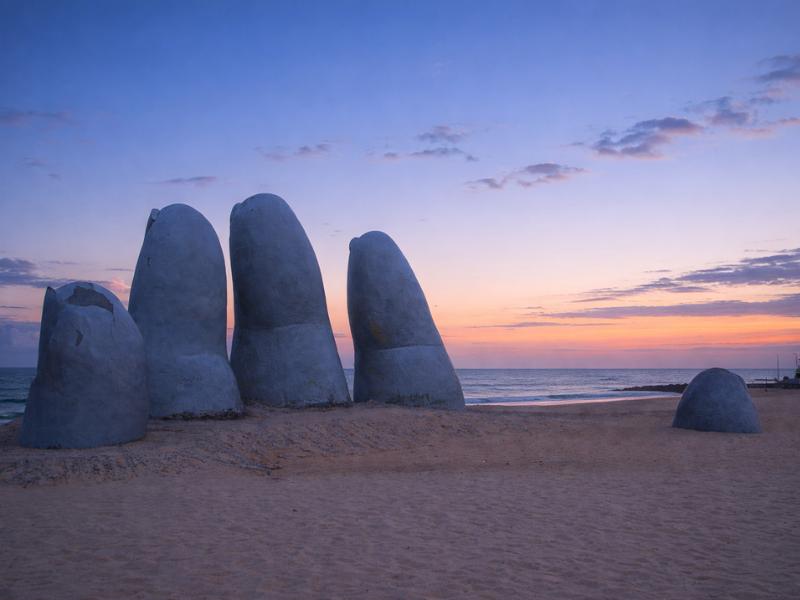
| Crowded photo stops, especially at La Mano on Playa Brava | Phone set down or held loosely while composing a shot in a dense group | Wrist strap or zipped pocket, one person watching bags while the other shoots |
| Beach day at Mansa or Brava | Wallet, phone and keys left on a towel while everyone swims | Take only what you need, rotate who stays dry, use a small dry bag you can carry into the shallows |
| Parked rental car | Bags left visible in the back, especially at trailheads and viewpoints outside town | Move everything to the boot before you arrive, not after you park |
| Cash and cards | Large withdrawals made in the open on a busy street | Withdraw inside a bank or shopping centre, split cards between two places |
| Swimming on the ocean side | Waves and pull are stronger than they look from the sand | Swim at Playa Mansa, treat Brava as a walking and photo beach unless you surf |
| Late-night return from La Barra or a restaurant outside the centre | Walking an unlit stretch of coastal road with no pavement | Arrange the return ride before you go out, not at 3am |
Nothing in that grid is exotic. It is the list you would write for any Mediterranean resort in August. The one item specific to this coast is the water, because the difference between Brava and Mansa is a real difference in conditions, not a marketing distinction.
Are Americans welcome in Uruguay?
Yes. Uruguay's economy on this stretch of coast runs substantially on visitors, and Punta del Este in particular has been an international resort for generations. North American travellers are a small share of arrivals compared with Argentines and Brazilians, which usually means curiosity rather than any friction.
Spanish is the working language, and outside the tourism trade you should not assume English. On the guided side that gap is already handled: the operators behind guided tours of Punta del Este run commentary in English, Spanish and Portuguese, and the Montevideo departures list multilingual guiding as a standard inclusion. If you are travelling independently, a translation app and a few phrases carry you a long way, and restaurant staff on the peninsula in season are used to working across languages.
Practical courtesies matter more than nationality. Uruguayans keep later hours than most North Americans, greet properly before getting to business, and are not in a hurry. Turning up at a restaurant at six expecting dinner marks you out far more than your passport does. To understand that rhythm before you arrive, our piece on what the nightlife is actually like covers how late the evening genuinely starts.
Recommended tours by season
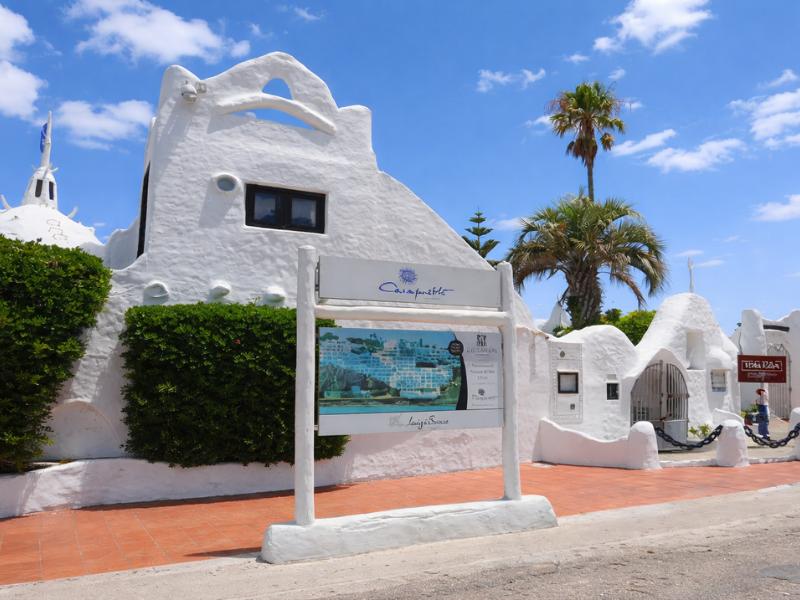
Montevideo to Punta del Este: Full-Day Guided Tour
Nine-hour shared day from Montevideo with transport included. The usual first look at the coast if you do not want to drive in December to February.
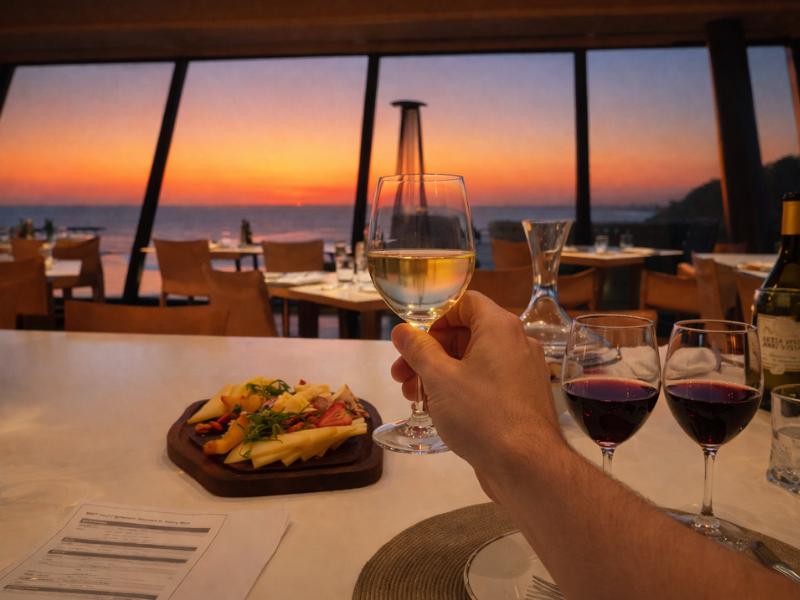
Punta Wine Lovers Tour – Exclusive Tastings & Vineyard Day
Four-hour tasting and vineyard day near Punta del Este. A fit for November, March and April, when wine country still pairs with time on the coast.
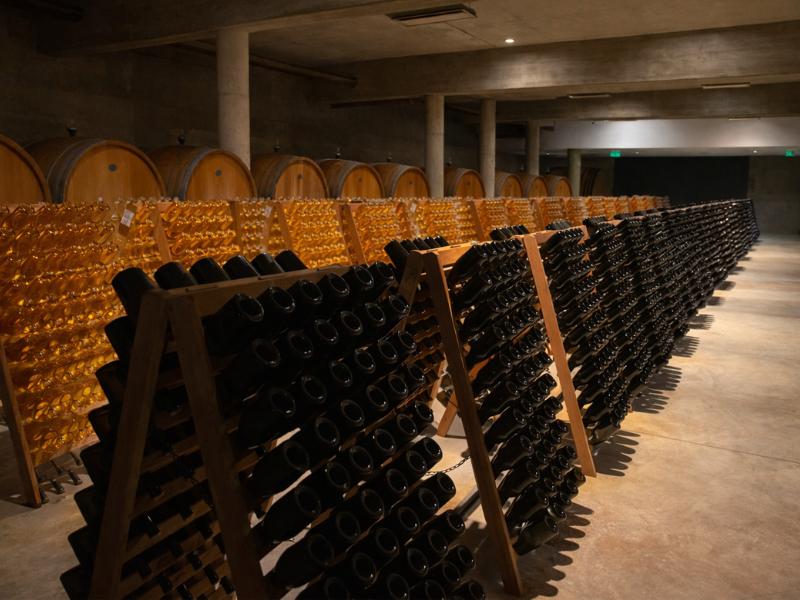
Bodega Garzón Wine Lovers Tour – Exclusive Tastings & Pairings
Seven-hour tasting and pairing visit at Bodega Garzón. An inland day that does not depend on beach weather or the peninsula’s evening trade.
Have It Your Way Private Tour in Punta del Este
Ten-hour private tour with a local guide and pickup at a time you choose. Useful from May to October, when a set summer circuit makes less sense.
Is Punta del Este safe for solo travellers?
Solo travellers, including solo women, generally report feeling comfortable here. The peninsula is compact and well lit, the atmosphere is resort-casual rather than edgy, and the main precautions are the standard ones: stay central, keep someone informed of your plans, and pre-arrange transport at night instead of improvising.
Basing yourself centrally does most of the work. Accommodation near Gorlero Avenue or the Playa Mansa side puts the beaches, the port and the restaurants within walking distance, which removes the need for late taxi rides entirely. That choice matters enough that we treat it separately in our notes on where to base yourself on the peninsula.
The other thing solo travellers consistently find useful is joining something. A shared small-group day out gives you a fixed schedule, a driver who knows the roads, and other people to eat lunch with, which solves both the logistics and the long-afternoon-alone problem in one booking. The full-day guided tour from Montevideo runs nine hours on a shared small-group basis and is the cheapest structured day on the coast, from $49 per person at the time of writing, so check the live listing for current pricing.
Off-season solo travel needs a different plan. Fewer people on the street is not dangerous in itself, but it does mean less help nearby and fewer places open late. Eat earlier, move around before full dark, and treat the quiet as the feature rather than the problem.
Is Punta del Este safe at night?
The central peninsula is busy and well lit through the evening in summer, and walking between the port, Gorlero and the Mansa beachfront is normal. The risk rises when you leave that core: coastal roads towards La Barra and Punta Ballena are dark, largely without pavements, and not built for pedestrians.
The most common bad decision visitors make is walking home along an unlit road because the taxi wait looked long. That is a traffic risk before it is a crime risk. Cars move quickly, there is often no shoulder, and a walker in dark clothing is hard to see. Settle the return journey before you leave.
Distance is easy to underestimate. The La Barra strip sits roughly ten kilometres east of the peninsula across the wavy bridge. It reads as nearby on a map and is not a walk. The same applies to Punta Ballena in the other direction. Plan any evening out there as a round trip with transport at both ends.
In the quieter months the calculation flips. Streets that are lively in January are empty in June, restaurants close early, and there is no ambient crowd. That calls for adjusted expectations, not alarm.
How safe is the water at Playa Brava and Playa Mansa?
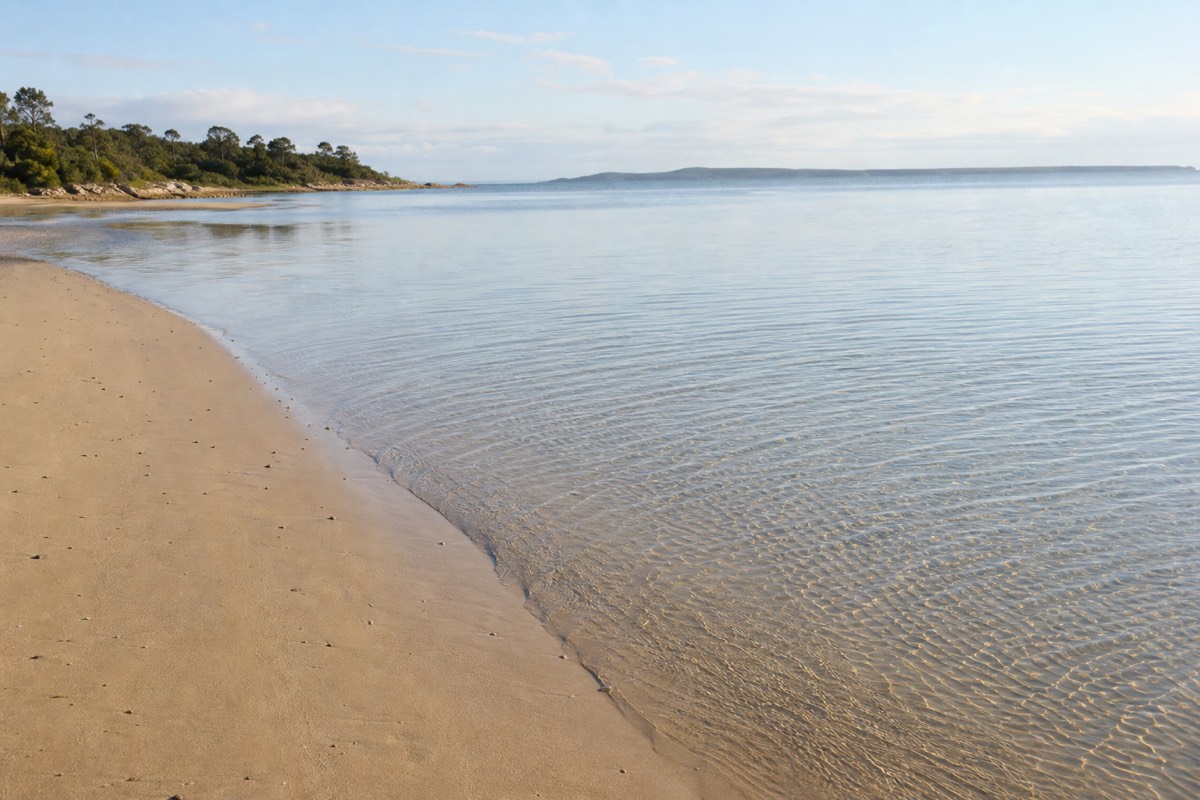
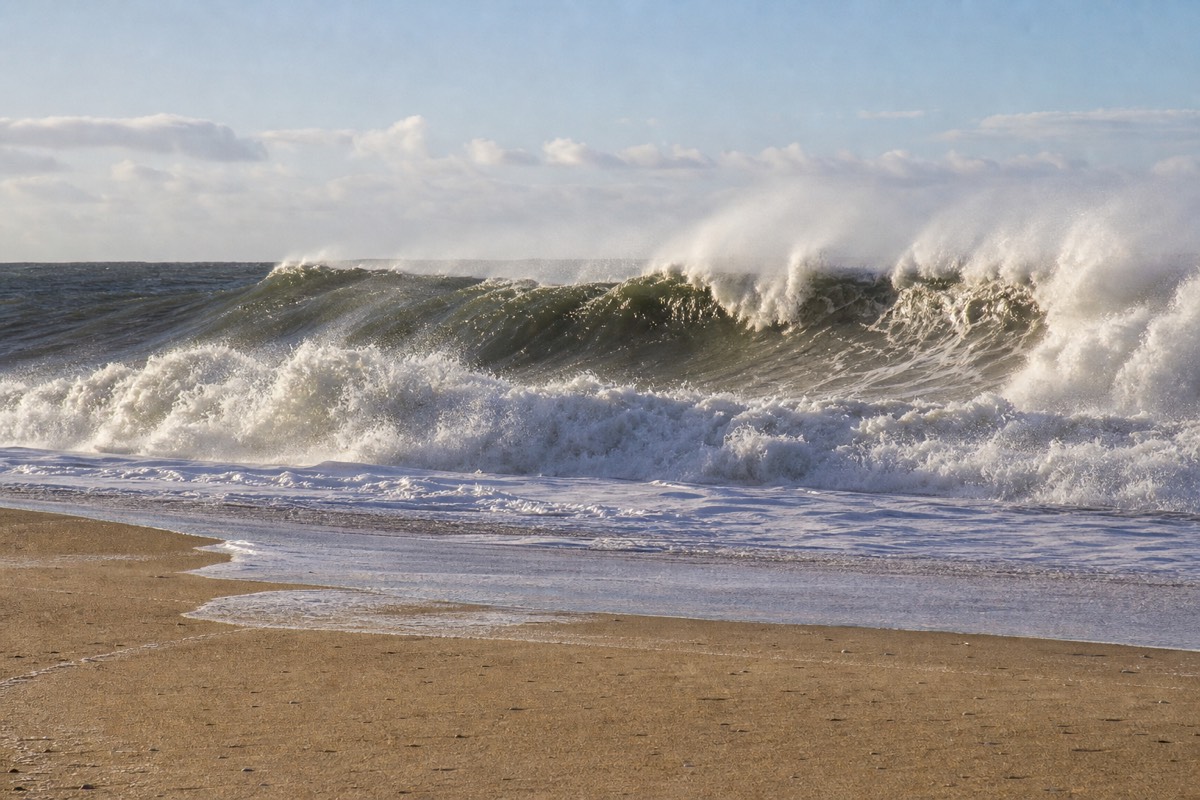
Playa Mansa faces the sheltered river side and is the calm, shallow, family-appropriate option. Playa Brava faces the open Atlantic with real surf, stronger pull and red flags posted regularly. Most visitors photograph La Mano on Brava and then do their actual swimming on Mansa, which is the sensible split rather than a compromise.
| Beach | Water character | Best for | What to watch |
|---|---|---|---|
| Playa Mansa | Sheltered by the peninsula, gentle, shallow a long way out | Swimming, children, floating about, sunset | Sun exposure more than surf; shade is limited |
| Playa Brava | Open Atlantic, proper waves, noticeable undertow | Surfing, walking, the La Mano photograph, dramatic weather | Red flags, sudden shore break, entering the water on a whim |
Treat flag colours as instructions, not suggestions, and assume you are on your own outside the peak summer weeks. Our planning rule is simple: if you would not swim there without a lifeguard, do not swim there. On the ocean side that rules out most casual swimmers.
Wind adds a wrinkle. This is an exposed coast, and a still afternoon can turn choppy quickly, which matters for anything inflatable and for children in the shallows. Keep small swimmers on the Mansa side and within arm's reach.
Is the off-season quiet, or is everything closed?
Both, and knowing which is which prevents the most common disappointment. December to February is full-capacity resort season. November, March and April are the sweet spot, with milder prices and thinner crowds while beaches and wine country stay entirely viable. From roughly May to October, much of the seasonal trade shuts and the town becomes a quiet coastal place.
| Period | How busy | What is open | Practical note |
|---|---|---|---|
| December to February | Peak, packed beaches and long waits | Effectively everything, late | Book transport and tours ahead; crowd-related petty theft is at its annual high |
| November, March, April | Comfortable, easy to move around | Most restaurants and the main sights | Our own advice is to come in March or November instead of January |
| May to October | Quiet, whole strips shut | Year-round sights and the peninsula itself; far less evening trade | Plan meals earlier, confirm opening before you drive anywhere |
The failure mode we see most often is someone arriving in the depths of winter having read a January-flavoured article and finding closed shutters. That feels like a safety problem when you are standing on an empty street at eight in the evening wondering where everyone went. If the timing question is still open, when to visit Punta del Este works through the trade-offs properly.
What about driving, parking and getting around?
Roads in Uruguay are in good condition and the Montevideo run along the Ruta Interbalnearia is straightforward, covering roughly 130 kilometres in about two hours. The complications are parking on the peninsula in high summer and driving unlit coastal roads at night, when cyclists, pedestrians and animals are hard to see.
If you are only here for a day, the driving question mostly disappears. Day trips from Montevideo run with transport included, which removes both the parking problem and the temptation to drive after a long lunch with wine. The private sightseeing day trip and the shared full-day option both handle the round trip door to door.
Renting still makes sense if you want to reach José Ignacio, the wine country inland or a specific beach on your own schedule. Front-load the driving into daylight, fill up before you head inland, and accept that in January you will spend real time looking for a space near the beaches. The Punta del Este entry on Wikipedia is a fair overview of how the resort sits between the Río de la Plata and the open Atlantic, the fact underneath both the beach difference and the wind.