What Is Punta del Este Known For?
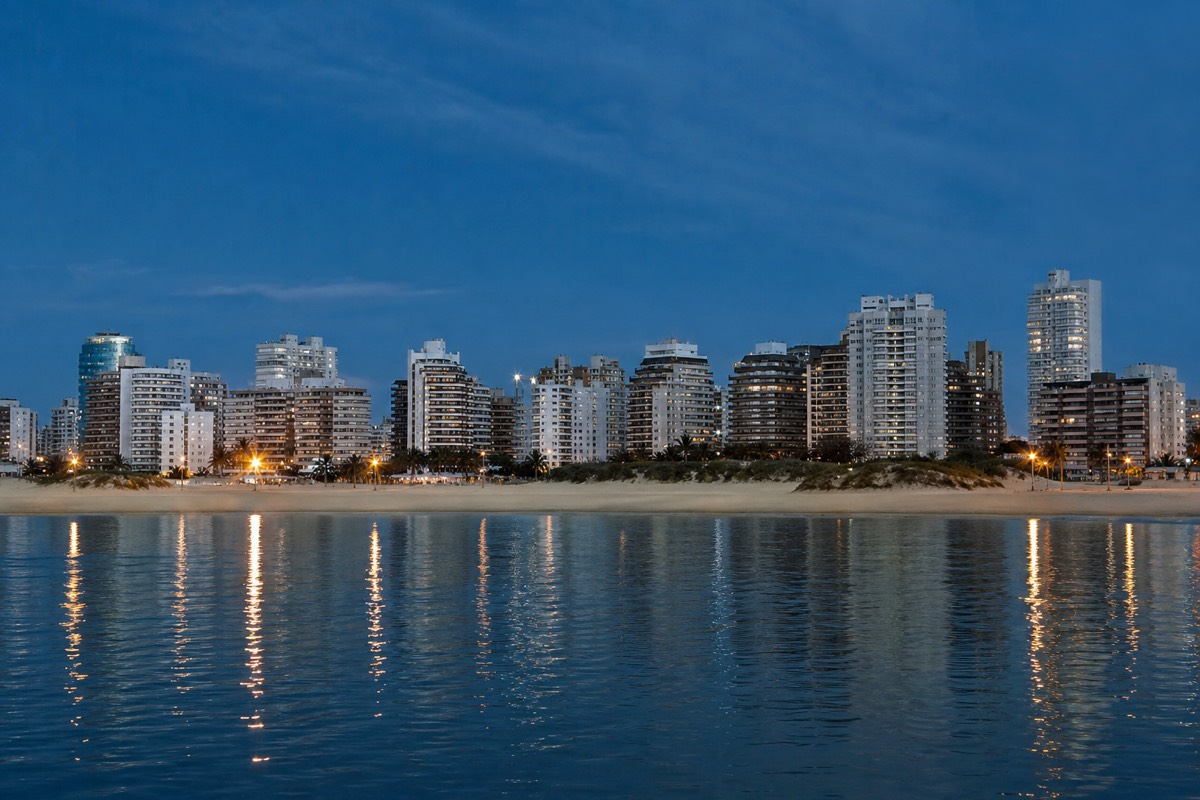
Ask a regular what this place is known for and you get a different answer than the postcard gives you. This is the character of Punta del Este: the layout, the neighbourhoods, the seasonal swing and the crowd.
What is Punta del Este known for?
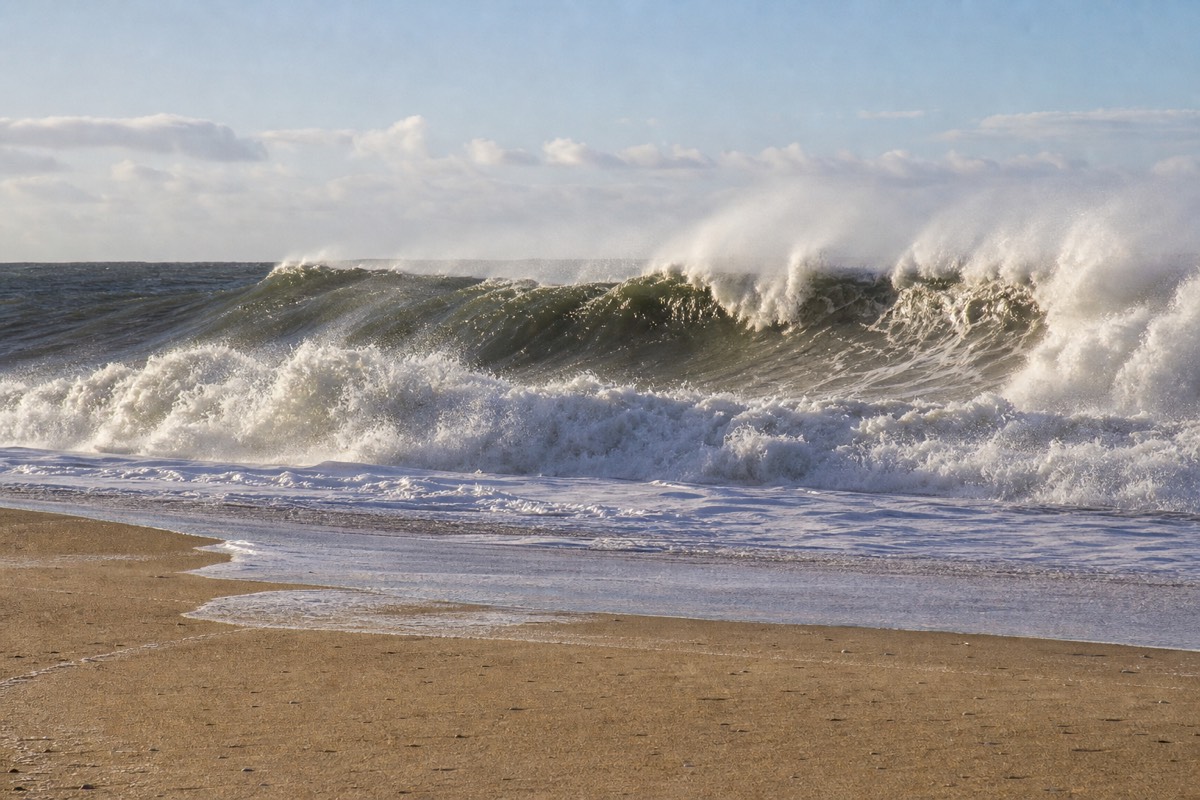
Among people who actually spend time there, Punta del Este is known less for single sights than for a particular shape of coastal life: a narrow peninsula splitting calm river water from open Atlantic surf, a chain of very different beach villages running east, an extreme seasonal swing, and a summer crowd that is largely Argentine, Brazilian and Uruguayan.
That is the character answer rather than the postcard answer. The postcard answer, the landmarks that built the international reputation, is a separate question and we handle it in the landmarks that made its name. This page is about what the place is like once you are standing in it: how it is laid out, who is around you, how much it changes month to month, and what the coast either side of town is for.
The short version is that Punta del Este is not one destination. It is a resort peninsula with a working city behind it, a string of increasingly quiet beach settlements to the east, a cliff headland to the west, and rolling wine country inland. People who only see the peninsula come away with an accurate impression of about a quarter of the place.
How is Punta del Este actually laid out?
The town sits on a narrow peninsula about 134 kilometres east of Montevideo, at the exact point where the Río de la Plata gives way to the open Atlantic. That produces two coastlines from one strip of land: sheltered Playa Mansa on the river side, and exposed Playa Brava on the ocean side, with the yacht harbour at the tip.
Gorlero Avenue runs down the spine of the peninsula as the main commercial street, and the whole peninsula is compact enough to cross on foot. Behind it, on the mainland, sits Maldonado, the department capital, which is a normal Uruguayan working town with a cathedral and the old Cuartel de Dragones barracks rather than a resort. Most visitors never register that the two are different places, but the wider Maldonado department is what supplies the resort with everything it runs on.
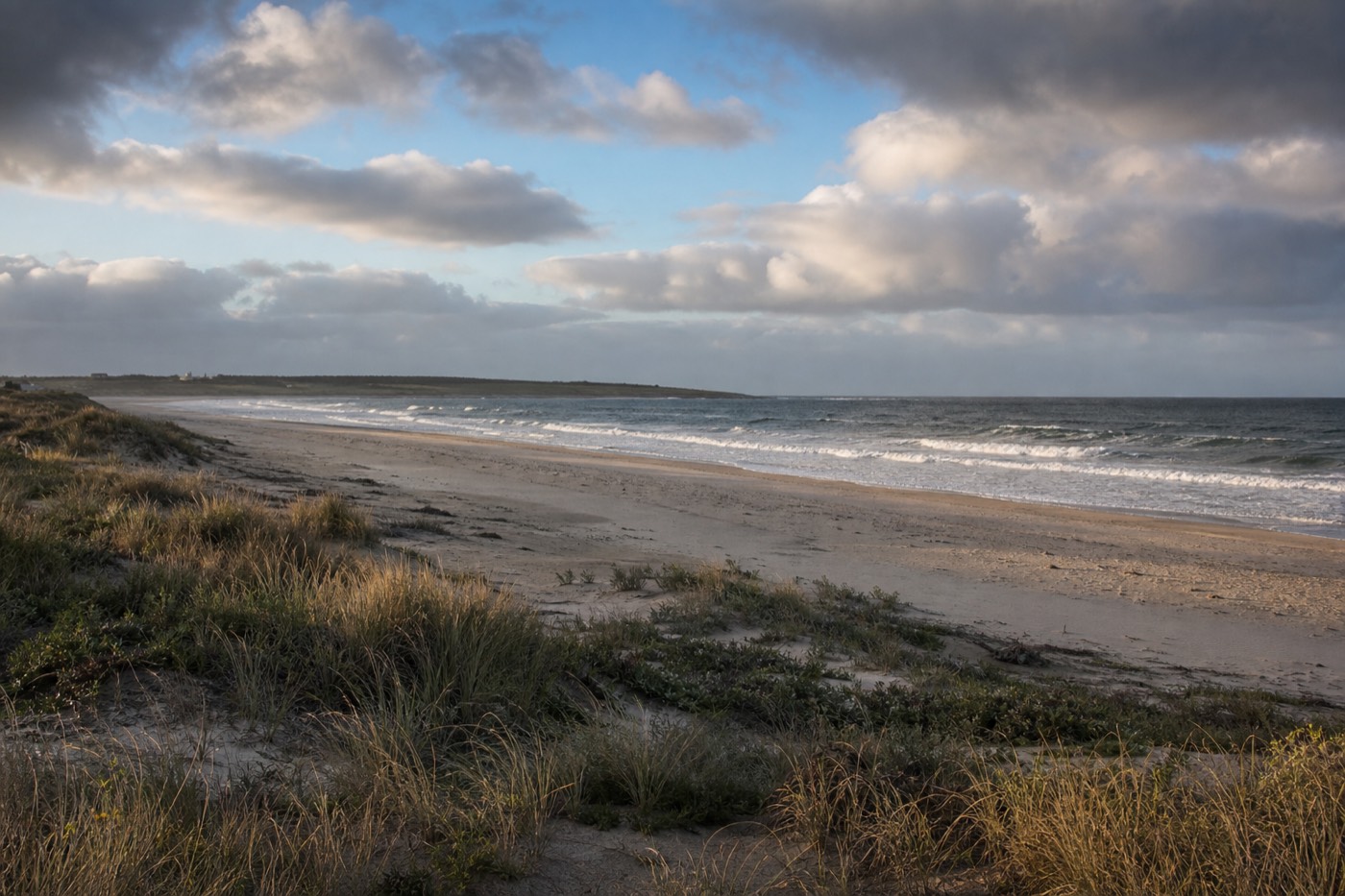
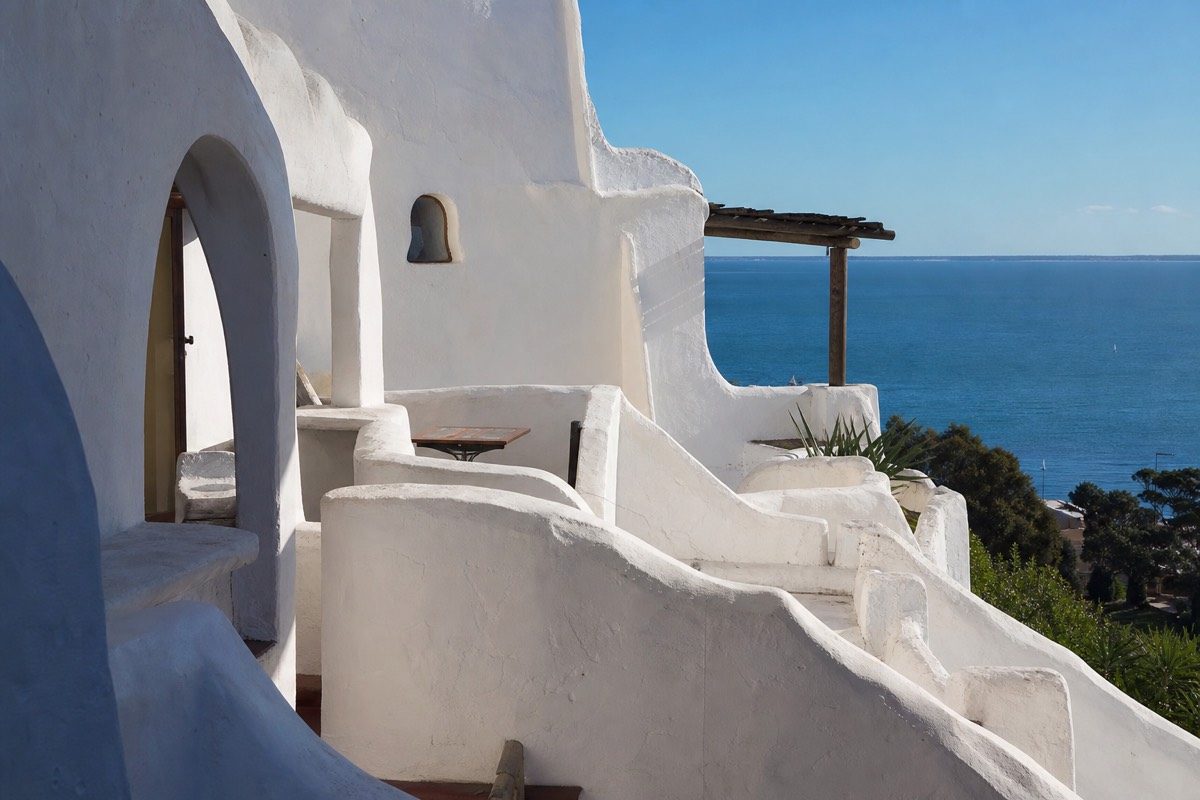
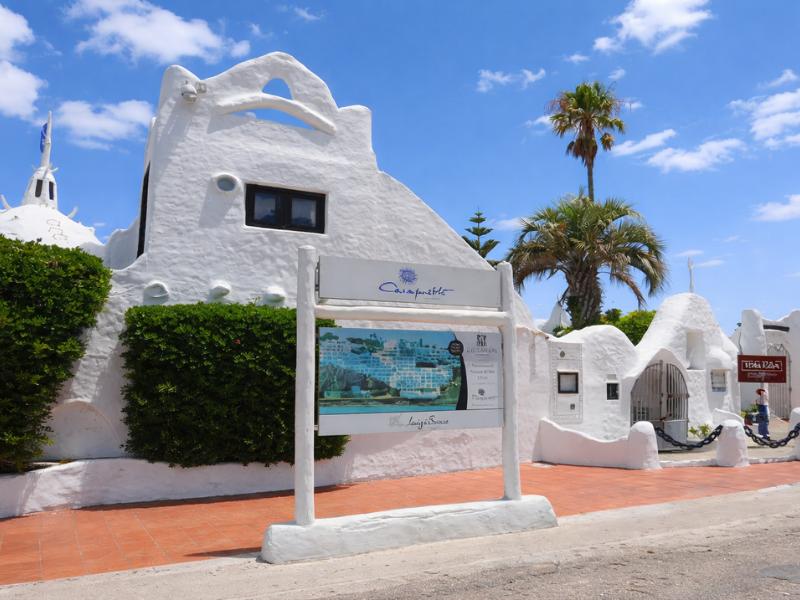
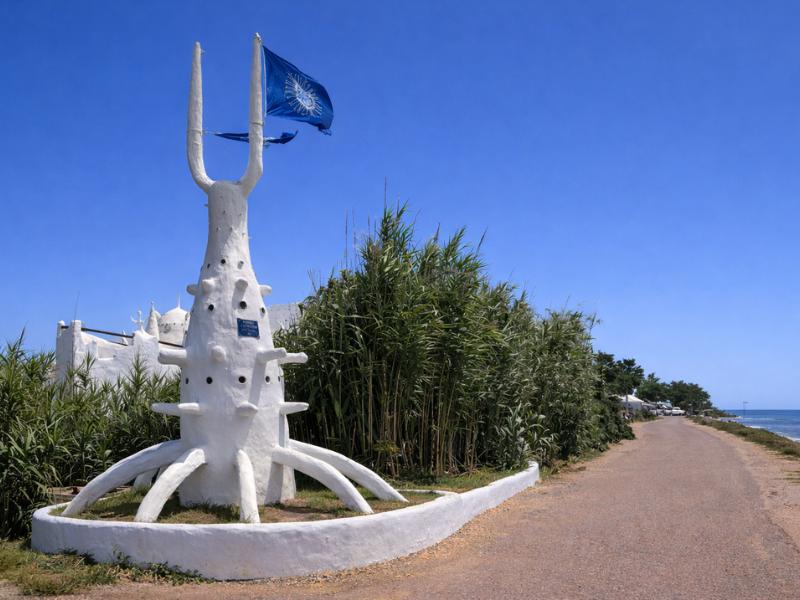
West of town, Punta Ballena is a rocky headland about 12 kilometres out, holding Casapueblo and cliff views over the Atlantic. East, the coast road crosses the wavy Leonel Viera bridge and keeps going through a series of smaller settlements that get quieter and more expensive the further you drive. The airport, Capitan de Corbeta Carlos A. Curbelo International, sits about 18 kilometres from the centre near Laguna del Sauce.
What are the different areas, and how do they differ?
Five or six distinct places wear the Punta del Este label. The peninsula is the built-up resort core, La Barra about ten kilometres east is the bohemian bar and restaurant strip, Manantiales and José Ignacio further east get progressively quieter and more exclusive, Punta Ballena to the west is the cliff and art headland, and Maldonado behind it is the real town.
| Area | Where | Character | Suits |
|---|---|---|---|
| The peninsula | The resort core | Apartment towers, Gorlero Avenue, the marina, both beaches within walking distance | First visits, no car, day trips |
| Playa Mansa side | West-facing, river side | Calm shallow water, sunsets over Isla Gorriti, families | Swimming and lounging |
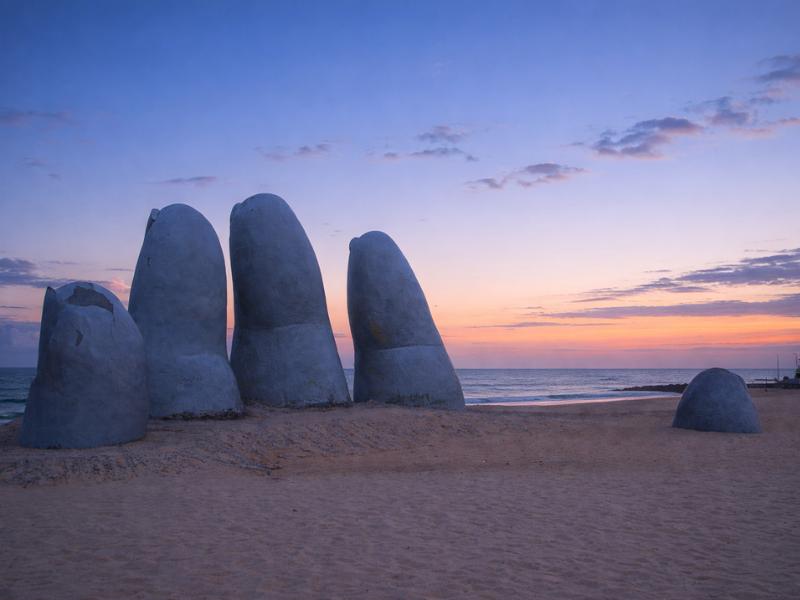
| Playa Brava side | East-facing, Atlantic side | Surf, undertow, red flags, La Mano sculpture | Photos, surfers, long walks |
| La Barra | About 10 km east over the wavy bridge | Bohemian, restaurant-heavy, Sunday artisan market | Evenings out, a Sunday excursion |
| Manantiales | Further east along the coast road | Quieter beach settlement; operators list it as a pickup point alongside La Barra | Beach stays away from the towers |
| José Ignacio | Roughly 35 km beyond La Barra | Genuinely remote and sophisticated, low-rise, lighthouse village | Slow, expensive, car-dependent stays |
| Punta Ballena | About 12 km west | Cliff headland, Casapueblo, Arboretum Lussich nearby | Art, architecture, sunsets |
For a first visit, the peninsula or the immediate resort area is the right base, because everything else is a drive. The further east you go, the more you need a vehicle and the more prices climb. Our guide to La Barra and the run out to José Ignacio cover those two properly, and background on the village itself explains how small it really is.
Why does the town inflate and deflate so hard by month?
Punta del Este is known among Uruguayans and Argentines as a place with two completely different personalities. From late December to February it runs at full capacity, with packed beaches, restaurant waits and accommodation prices well above the rest of the year. From April to October the same streets are quiet, spacious and cheap.
| Period | What the town feels like | Cost posture |
|---|---|---|
| Late Dec to early Jan | Peak of the peak: holidays, packed beaches, heavy nightlife, difficult parking | Highest of the year |
| February | Still full, Carnival period, strong regional crowd | Very high |
| March to mid April | Warm, sea still swimmable, beaches thin out after Easter | 30 to 60 percent below high season |
| May to October | Quiet coastal town; whale watching runs seasonally offshore | Lowest, and easiest to book |
| November to early Dec | Pre-summer calm, good light, beaches largely empty | Still low, rising into December |
The swing is the single most defining feature of the place, more than any landmark. It also explains a lot of the built environment: a resort sized for its January population spends most of the year visibly under-occupied. Our own advice to first-timers has been consistent for years, which is to travel in March or November rather than January, and the reasoning is laid out in our month-by-month timing guide.
Who actually comes to Punta del Este?
Overwhelmingly South Americans. The visitor base is dominated by Argentines crossing the Río de la Plata, Brazilians driving or flying south, and Uruguayans from Montevideo, with a smaller international layer on top. That is why the town feels regional rather than touristic in the way a Caribbean resort does.
The practical effects show up everywhere. Guides on the day tours work in Spanish, Portuguese and English because that is the actual demand mix. Weekend traffic patterns follow Buenos Aires holidays. The airport at Laguna del Sauce runs seasonal direct flights from Buenos Aires, Sao Paulo and Santiago, while most long-haul visitors land at Carrasco in Montevideo and cover the last stretch by road in around two hours.
Booking patterns on this site say the same thing from another angle: the great majority of people who book anything here are coming from Montevideo for a single coastal day rather than staying on the peninsula. If you are in that group, the day trips that run out of Montevideo are the efficient way to do it.
Recommended tours by season
Montevideo to Punta del Este: Full-Day Guided Tour
Shared nine-hour day from Montevideo. The practical high-season option if you want the peninsula stops without driving or parking.
From Montevideo: Private Luxe Punta del Este Day Tour
Private ten-hour run from the capital. A match for March and April, when the water is still warm and the beaches have started to empty.
Punta Wine Lovers Tour – Exclusive Tastings & Vineyard Day
Four-hour boutique winery visit with hotel pickup. Fits the cooler months, when a half-day inland is more useful than a beach afternoon.
Have It Your Way Private Tour in Punta del Este
Ten-hour private day with a local guide. Pickup from a hotel or a residence, then the peninsula, the port and Casapueblo on your schedule.
Is Punta del Este a hotel town or a second-home town?
Far more the second. Punta del Este is known across the region as somewhere people own or rent property for the season rather than book a room for a week, which is why the town empties so completely outside summer and why accommodation prices surge so violently when it fills. The seasonal-residence pattern is the reason behind both.
You can see it in small operational details. Local private tours offer pickup from your hotel or your residence, which is not a distinction most resort towns bother making. Rental apartments and houses carry a large share of the summer visitor load, and hotels that do exist book out months ahead for January and February. Even Casapueblo, the town's most photographed building, is a hotel and museum that began life as one man's house.
For a visitor this matters in two ways. First, booking late for high season is genuinely risky rather than merely expensive. Second, the town's atmosphere in the shoulder months is less about closed shutters and more about space: the beaches and restaurants that stay open have room. What a trip here actually costs across those two realities is worth reading before you commit, and we break it down in what a Punta del Este trip really costs.
What is the food and wine hinterland known for?
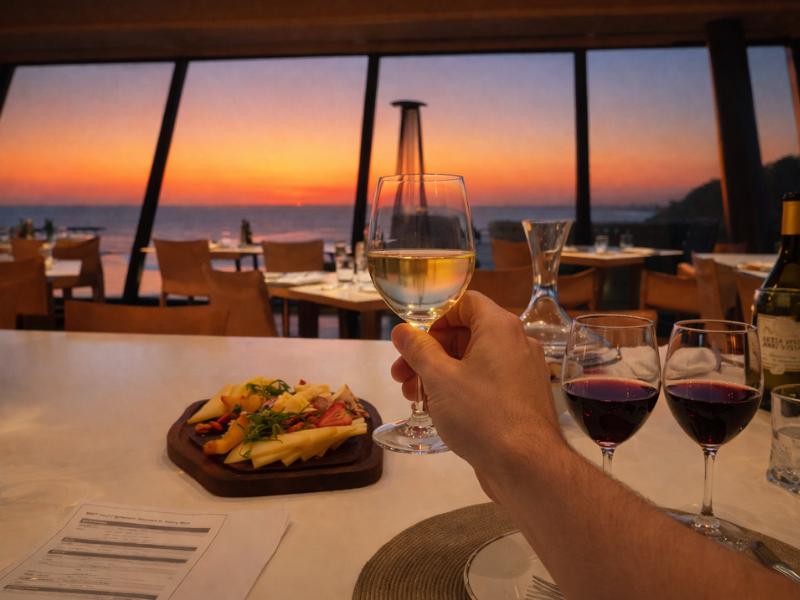
Tannat. Uruguay's signature red grape grows in the rolling country inland from the coast, and the Maldonado wine region around Garzón, roughly 30 kilometres north of Punta del Este, has drawn serious Uruguayan and international investment since the early 2000s. Albariño whites and Merlot blends round out what the local estates pour.
Bodega Garzón is the name that carries furthest, a large modern estate with organic vineyards, a much photographed visitor centre and a restaurant that has become a destination in itself. Smaller boutique producers sit closer to the coast and give a more intimate tasting. The grape itself has an unusual story, and the profiles of the Tannat grape and of Uruguayan wine more broadly explain why a French transplant became a national signature.
On the coast itself, the food identity is simpler: seafood at the port, casual stalls near the fish market, and local snacks like pasteles that guides steer people toward. Wine visits run as half-day or full-day excursions rather than something you fit around a beach afternoon. A boutique winery visit with hotel pickup runs about four hours from $200 per person at the time of writing, and a full estate day about seven; check those listings for current pricing. Our overview of the wine country inland covers who should trade a beach day for it.
What is Punta del Este known for out of season?
Space, light and low prices. Between April and October the resort becomes a quiet coastal town where the beaches are empty, Casapueblo terraces can be had almost to yourself at opening, accommodation costs a fraction of its January rate, and southern right whales pass offshore on the seasonal watching window.
The trade-off is real. The sea is too cold for casual swimming through the winter months, and the social energy the town is famous for simply is not there. What remains is the coastline, the architecture, the art and the wine, all of which stay entirely viable. Rainy weekdays between May and October are the emptiest the landmarks ever get.
Our read, after years of sending people here, is that off-season Punta suits photographers, couples, drivers doing the coast road properly and anyone who wants scenery without a queue. It does not suit someone whose mental image of the trip involves a beach club. Knowing which of the two versions you are booking is the difference between a good trip and a confusing one.
Who does Punta del Este suit, and who leaves disappointed?
It suits people who want a well-run, safe, walkable coastal resort with good beaches, striking architecture and wine country behind it, and who pick their month deliberately. It disappoints people expecting tropical water, year-round beach weather, colonial streets or a bargain. Almost every unhappy review traces back to one of those four expectations.
| Traveller | Verdict | Why |
|---|---|---|
| First-timer with one free day | Strong fit | The icons cluster tightly and a guided day covers them |
| Family with young children | Strong fit | Playa Mansa is shallow and calm, and the town is safe and compact |
| Wine traveller | Strong fit | Tannat country sits within an easy half-day of the coast |
| Summer social traveller | Fit in January and February only | The nightlife and scene are genuinely seasonal |
| Budget backpacker in January | Poor fit | Peak prices are the highest in Uruguay; shoulder months fix this |
| Traveller wanting warm tropical sea | Poor fit | This is the temperate South Atlantic, not the Caribbean |
If you land in the strong-fit rows, the practical next decision is how you cover ground, because the areas described above are spread along 45 kilometres of coast. A flexible private day with a local driver at around $280 per group buys you the peninsula, the sculpture, the port and Casapueblo at your own pace, while the shared full-day run from Montevideo does the highlights from $49 per person at the time of writing. Both, along with the wine options, sit on the homepage with the tours we feature.