Things to Do in Punta del Este: A Complete Guide
Five concrete fingers on a public beach, a white house that grew sideways down a cliff for fifty years, and a dock full of sea lions who ignore the yachts. Punta del Este gives up its best days to people who plan around what they actually want.
What fits in one day, two days and three days
Planning allowances in our own voice, based on how the guided days we list are actually paced. Real timings vary with season and traffic.
What is Punta del Este famous for?
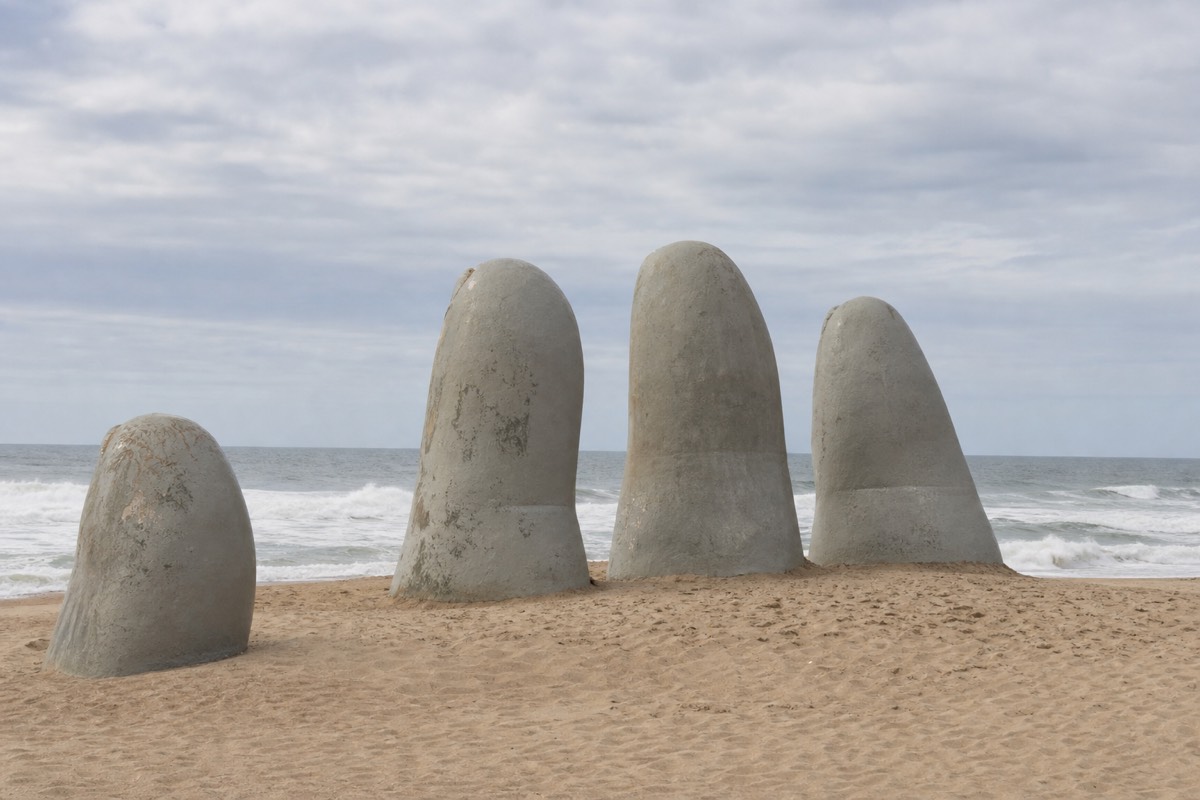
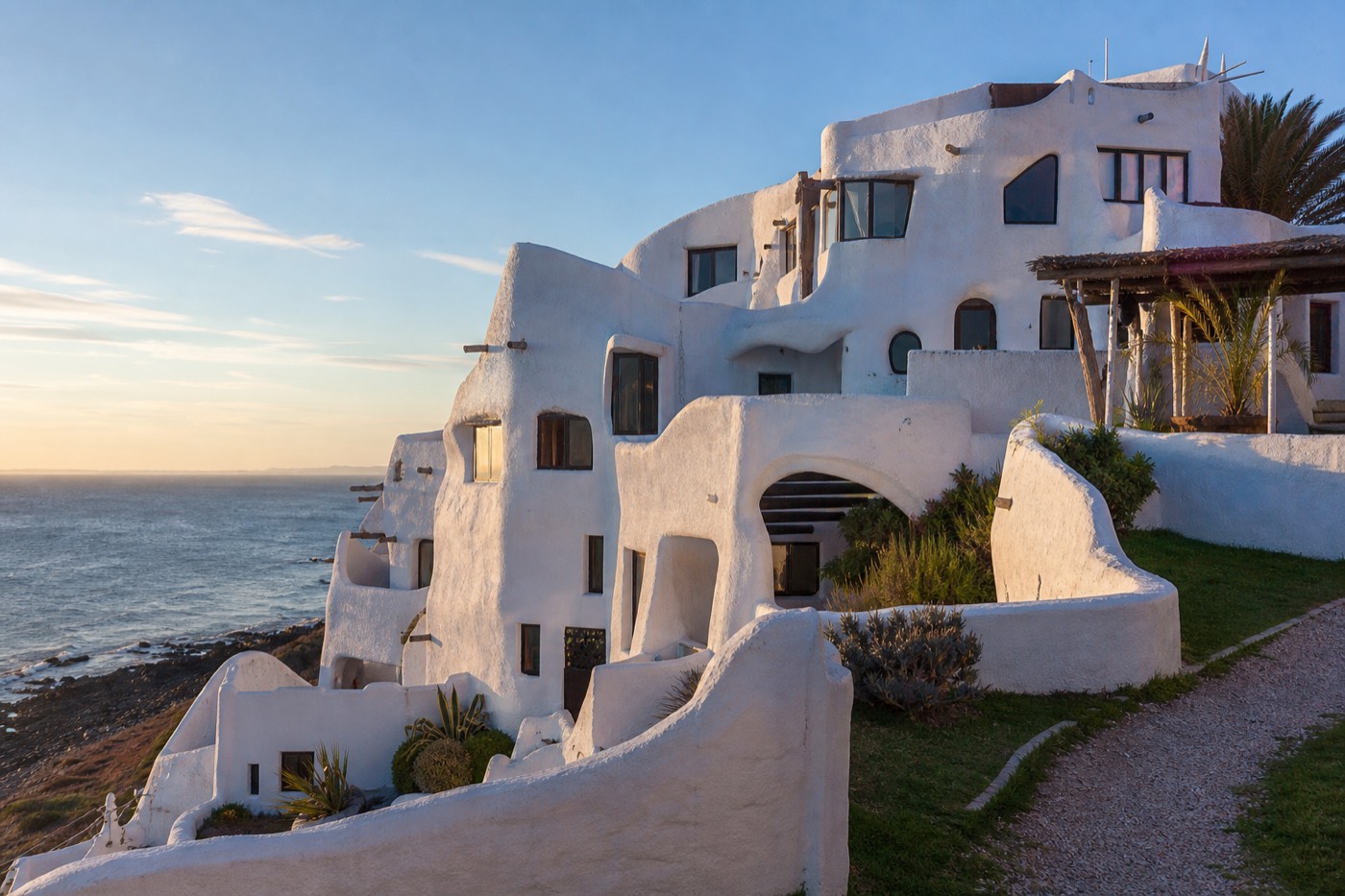
Punta del Este is famous for La Mano, the giant hand sculpture pushing out of the sand on Playa Brava, and for Casapueblo, the white cliffside house that artist Carlos Páez Vilaró began building in 1958. Add a yacht harbour with a resident sea lion colony and a January season that pulls in half of Buenos Aires, and you have the reputation.
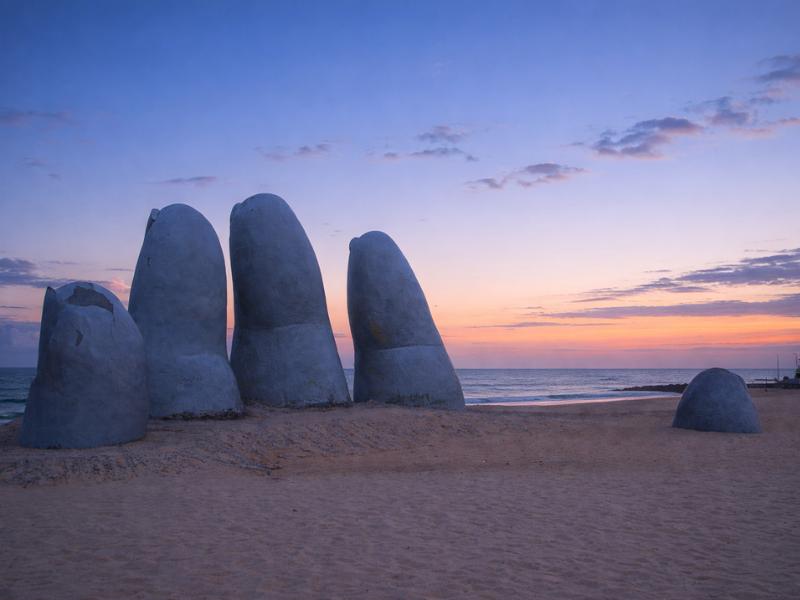
The hand is the image that travels. Mario Irarrázabal installed it on Playa Brava in 1982, and from the road the five concrete fingers read at human scale until you walk close and discover they are roughly ten times that. Seeing it costs nothing at all. It stands on an open public beach with no ticket, no gate and no closing hour, which explains a good part of why it heads every list of things to do here.
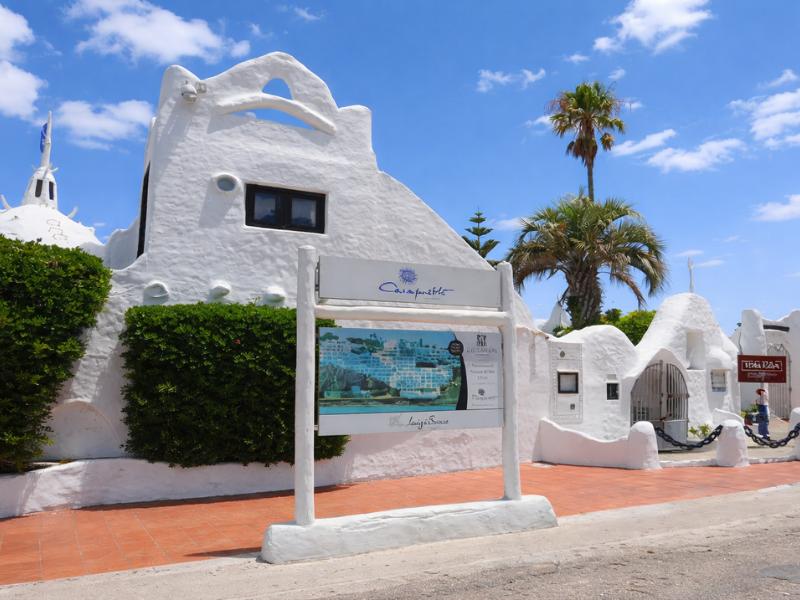
Casapueblo is the deeper attraction and the one visitors consistently underestimate. Páez Vilaró added to it for decades on the cliffs at Punta Ballena, about 12 kilometres west of the town centre, stacking curved white forms that owe nothing to right angles. It functions now as a museum, a hotel and a terrace cafe facing west over the Atlantic. Our team's read is blunt: fifteen minutes buys the postcard, ninety minutes buys the place. The record of how the building actually grew makes sense of its shape, and the practical side, opening times and how to dodge the coach groups, sits in our Casapueblo visiting guide.
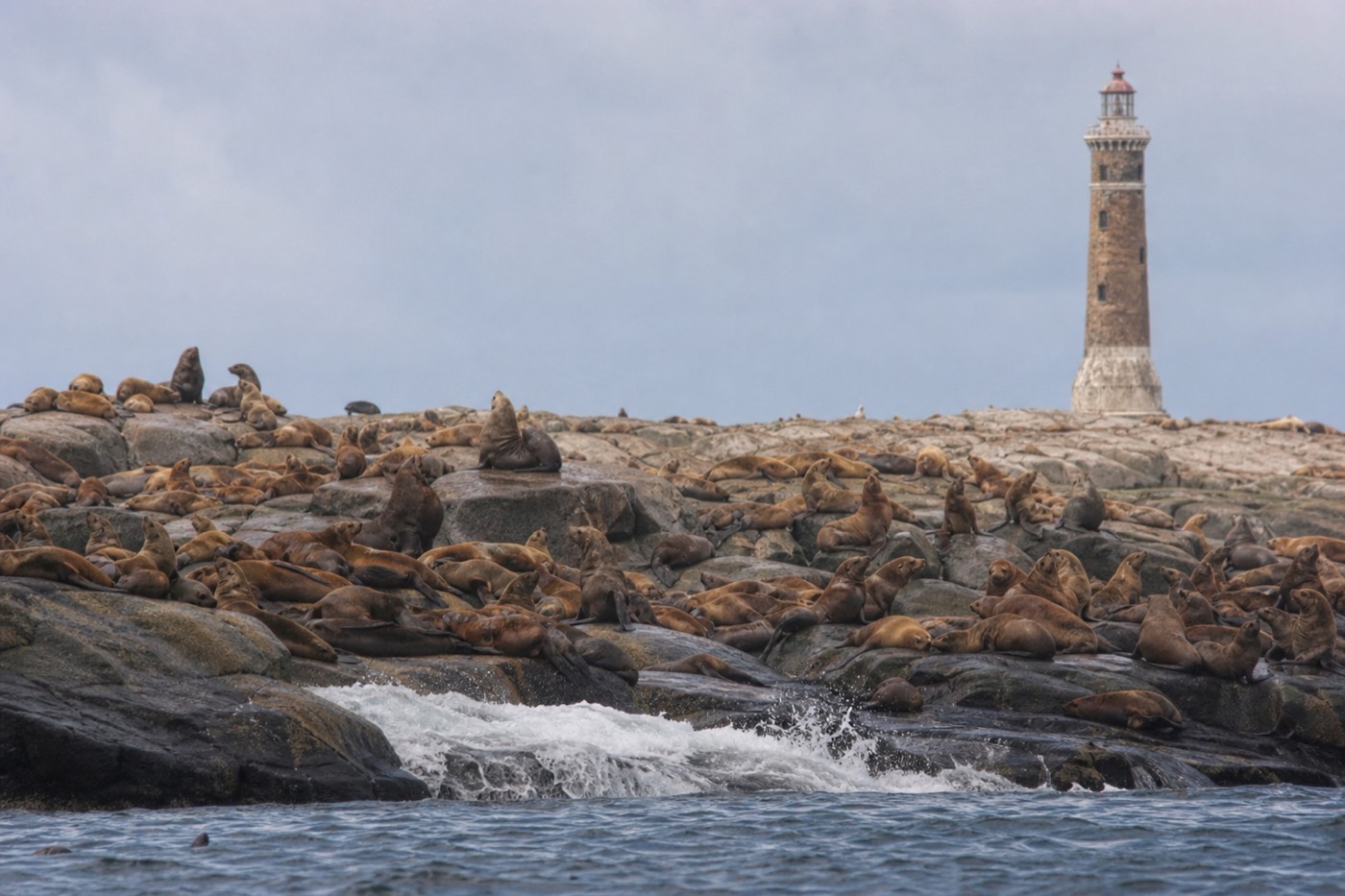
The harbour supplies the third piece of the reputation. Puerto de Punta del Este holds the boats you would expect of a resort people call the Monaco of the south, and the dock structures at its entrance carry a sea lion colony that is loud, pungent and entirely unbothered by the yachts alongside it. On a clear day the lighthouse out on Isla de Lobos is visible from the same breakwater. The fourth piece is the season itself, which is less a thing to do than a condition the town enters every December.
Why do people go to Punta del Este?
People come for one of four different trips: a summer beach holiday with South American glamour attached, a single sightseeing day out of Montevideo, the art and architecture clustered around Punta Ballena, or the Tannat wine country inland. Those four rarely overlap, and working out which one you are booking is the entire planning problem.
The booking data on this site makes the split unusually visible. The nine-hour group day trip from Montevideo has passed 11,156 bookings. The four-hour boutique wine tour, which serves people already staying on the coast, sits at 630. That gap of roughly twenty-five to one is not a quality judgement, it is a geography judgement: most visitors to Punta del Este are day-trippers who arrive from the capital, look at the coast, and go home the same evening.
The second largest group are Argentinians and Brazilians who take a house or an apartment for a week or a fortnight in high summer and never really leave the beach and the restaurant strip. They are not looking for things to do in the sightseeing sense. They are looking for a good stretch of sand, a table at eight, and somewhere to be at midnight.
The third group is smaller and growing: people who route through here for the wine. Uruguay's signature grape produces reds that now get taken seriously outside the country, and the hills inland from the coast have drawn real investment since the early 2000s. If that is your reason for coming, most of the classic peninsula list is noise, and you would do better reading about the wine country inland from the coast before booking anything on the beach.
What fits into a single day in Punta del Este?
A single day comfortably covers Casapueblo, the port with its sea lions, La Mano on Playa Brava, lunch on or near Gorlero Avenue, and an afternoon on Playa Mansa. That is roughly six hours of stops, which is what a nine-hour tour from Montevideo delivers once you subtract the driving.
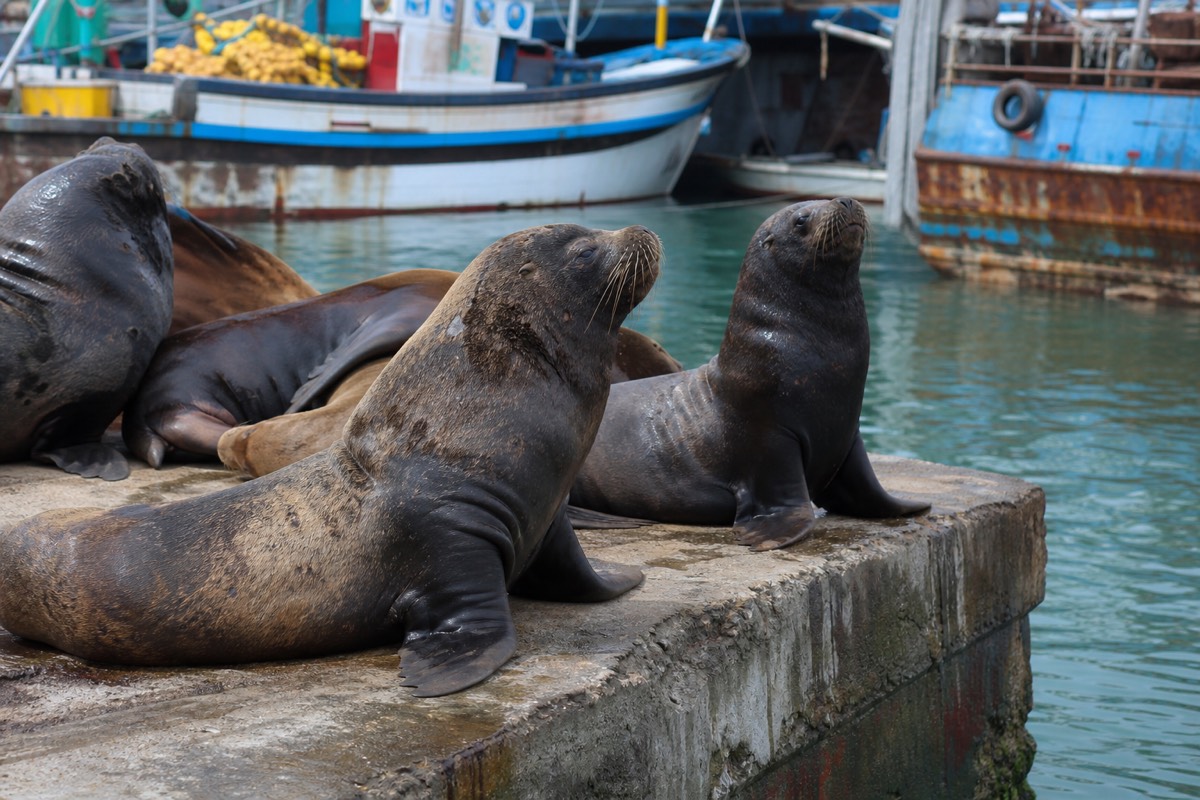
Order matters more than most people expect. Casapueblo opens at 10:00 and the coach groups land between 11:00 and midday, so an early arrival gives you the terraces almost to yourself. The port is best late morning or late afternoon, when the fish stalls are working and the sea lions are hauled out. La Mano photographs badly at midday in January because the beach is busy and the light is flat, and photographs well an hour after opening or an hour before sunset.
The table below is our own planning allowance rather than any operator's promise. Treat it as the amount of time each stop needs to feel worth the stop rather than a checkbox.
| Stop | Allow | Why it earns the slot | Drop it if |
|---|---|---|---|
| Casapueblo, Punta Ballena | 90 minutes | Museum, terraces and the west-facing cafe; the only stop that rewards slowness | You are here purely for beach time |
| Puerto de Punta del Este | 60 minutes | Sea lion colony at the dock, fish stalls, yachts, Isla de Lobos lighthouse on the horizon | You dislike crowds and smells in equal measure |
| La Mano, Playa Brava | 30 to 45 minutes | Free, unticketed, open at any hour; the single most recognised image of Uruguay | Never. It costs nothing and takes half an hour |
| Lunch and Gorlero Avenue | 90 minutes | The main street, shops, and the only realistic window for a sit-down meal | You packed lunch and want the beach instead |
| Playa Mansa | 90 minutes | Calm, shallow, west-facing water; the correct place to end a dense sightseeing day | Weather has turned, or you would rather walk Brava |
| Piriápolis (on the Montevideo route only) | 45 minutes | The Argentino Hotel and the San Antonio hill viewpoint, an hour short of Punta | You are already based on the peninsula |
Independent visitors can build this themselves. The bus from Montevideo's Tres Cruces terminal runs every 30 to 60 minutes, takes two to two and a half hours, and costs roughly seven to twelve US dollars each way at the time of writing. What the bus does not solve is Casapueblo and Piriápolis, both of which sit off the peninsula and are awkward without a car, which is the honest case for guided day trips from Montevideo.
Which beach should you actually spend the day on?
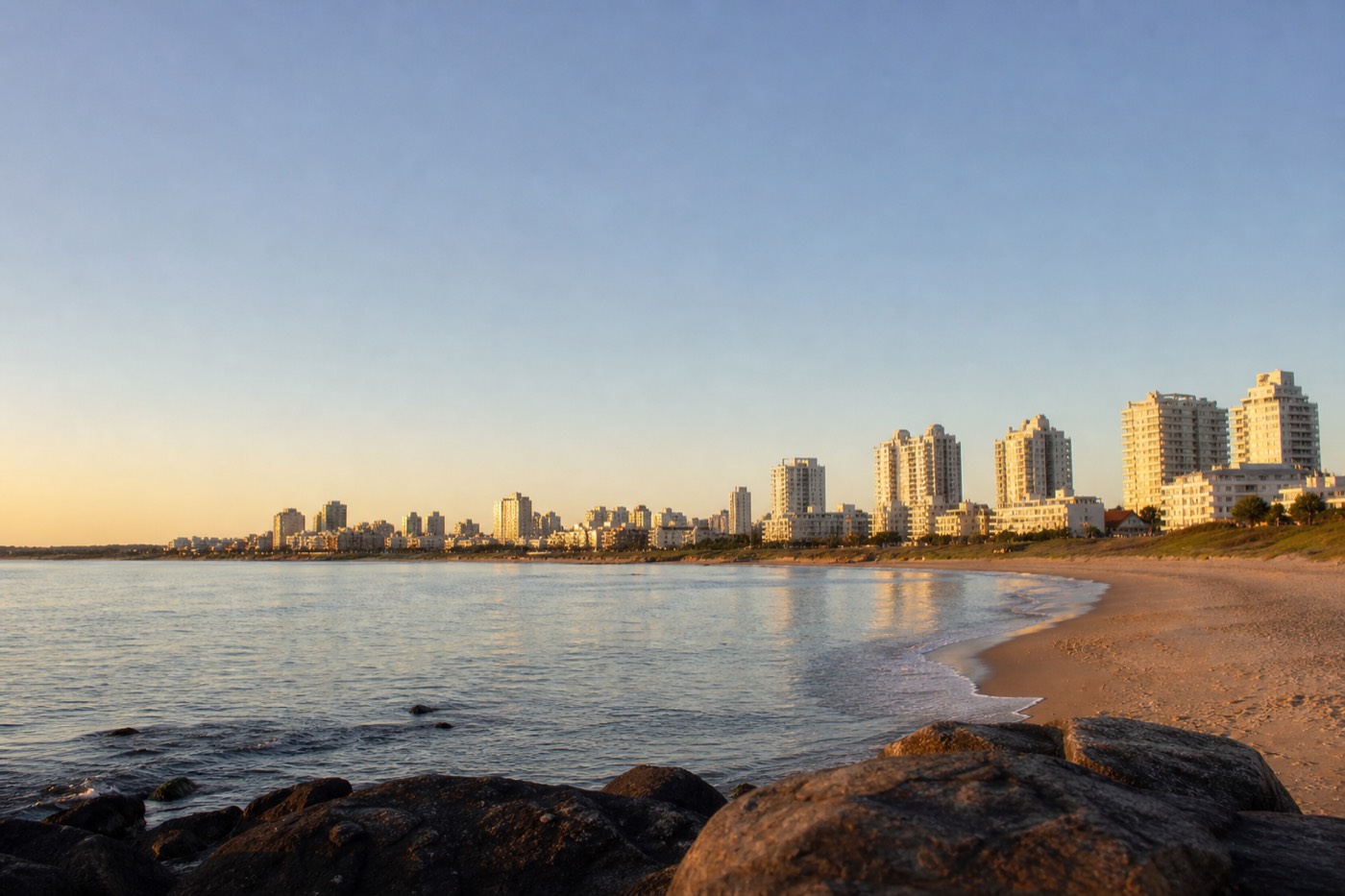
Spend your swimming and lounging time on Playa Mansa and your photography time on Playa Brava. Mansa faces the sheltered river side with shallow, gentle water. Brava faces the open Atlantic with real swell, a stronger undertow and regular red flags. La Mano stands on Brava, so most visitors photograph one beach and swim at the other.
This is not a compromise, it is the sensible way round. The peninsula splits the coast in two, and the two sides behave like different bodies of water on the same afternoon. On Mansa the water often stays knee-deep a long way out, which is why families with small children end up there by default. On Brava the rollers are big enough for surfers and awkward enough for casual swimmers that lifeguards post warnings routinely, more so in winter and on windy days.
| Playa Brava | Playa Mansa | |
|---|---|---|
| Faces | Open Atlantic, east | Río de la Plata side, west |
| Water | Real swell, strong undertow, frequent red flags | Shallow, gentle, often knee-deep well out |
| Best for | Surfing, long windy walks, the sculpture photograph | Swimming, families, sunset lounging |
| Landmark | La Mano, the giant fingers | Views across to Isla Gorriti |
| Best time of day | Early morning, or the hour before sunset | Mid to late afternoon |
| Watch for | Undertow, pebbles in places, hot sand at midday | Crowding at the peninsula end in January |
Beach chairs and umbrellas rent for roughly 500 to 1,000 Uruguayan pesos a day at the time of writing, so carry small notes if you plan to use them. If you want the fuller version of this split, including which end of each beach is quietest, we have written it up in detail as a side-by-side comparison of Brava and Mansa.
What is there to do here for art and architecture?
More than the town's beach reputation suggests. Casapueblo is the headline, but the Ralli Museum holds contemporary Latin American art, the Pablo Atchugarry foundation shows sculpture in open parkland, the wavy bridge at La Barra is a genuine piece of engineering, and the Arboretum Lussich is a planted forest you can walk through.
This cluster is the reason a rainy day here is not a wasted day, and it is also the part of Punta del Este that day-trippers most often miss. The full-day bus tours from Montevideo build their route around Casapueblo and skip the rest for time reasons. Private tours based on the peninsula tend to include the Ralli Museum and the historic core of Maldonado, where the San Fernando cathedral and the Cuartel de Dragones sit within a short walk of each other.
| Stop | What it is | Allow | Ticket |
|---|---|---|---|
| Casapueblo, Punta Ballena | Páez Vilaró's cliffside house, museum, hotel and terrace cafe | 90 minutes minimum | Paid, and not included in any tour price we list |
| Ralli Museum | Contemporary Latin American art in a purpose-built setting | 90 minutes | Check Confirm current hours with the museum directly |
| Fundacion Pablo Atchugarry | Sculpture park and exhibition halls on the road east | 90 minutes | Confirm on the day; seasonal hours |
| Puente de la Barra | The undulating bridge over the Maldonado river, best felt from a car | 15 minutes | Free, open at all hours |
| Arboretum Lussich, Punta Ballena | A large planted forest with walking trails above the coast | 60 to 90 minutes | Confirm on the day |
| Maldonado old town | San Fernando cathedral and the Cuartel de Dragones, where Artigas began | 60 minutes | Free to walk; interiors vary |
The bridge deserves a note of its own. It is two shallow humps rather than a flat span, and crossing it at a normal speed produces a lift in the stomach that Uruguayan children find hilarious and adults pretend not to enjoy. It costs nothing, takes a quarter of an hour, and pairs naturally with the Sunday market described further down.
Is a day in the wine country worth trading a beach day for?
If you have two nights or more, yes. Uruguay's Tannat is a genuinely distinctive red, the estates inland from the coast are close enough for a half day, and the two wine experiences we list bracket the choice neatly: four hours at a small family winery, or seven hours at the country's most decorated estate.
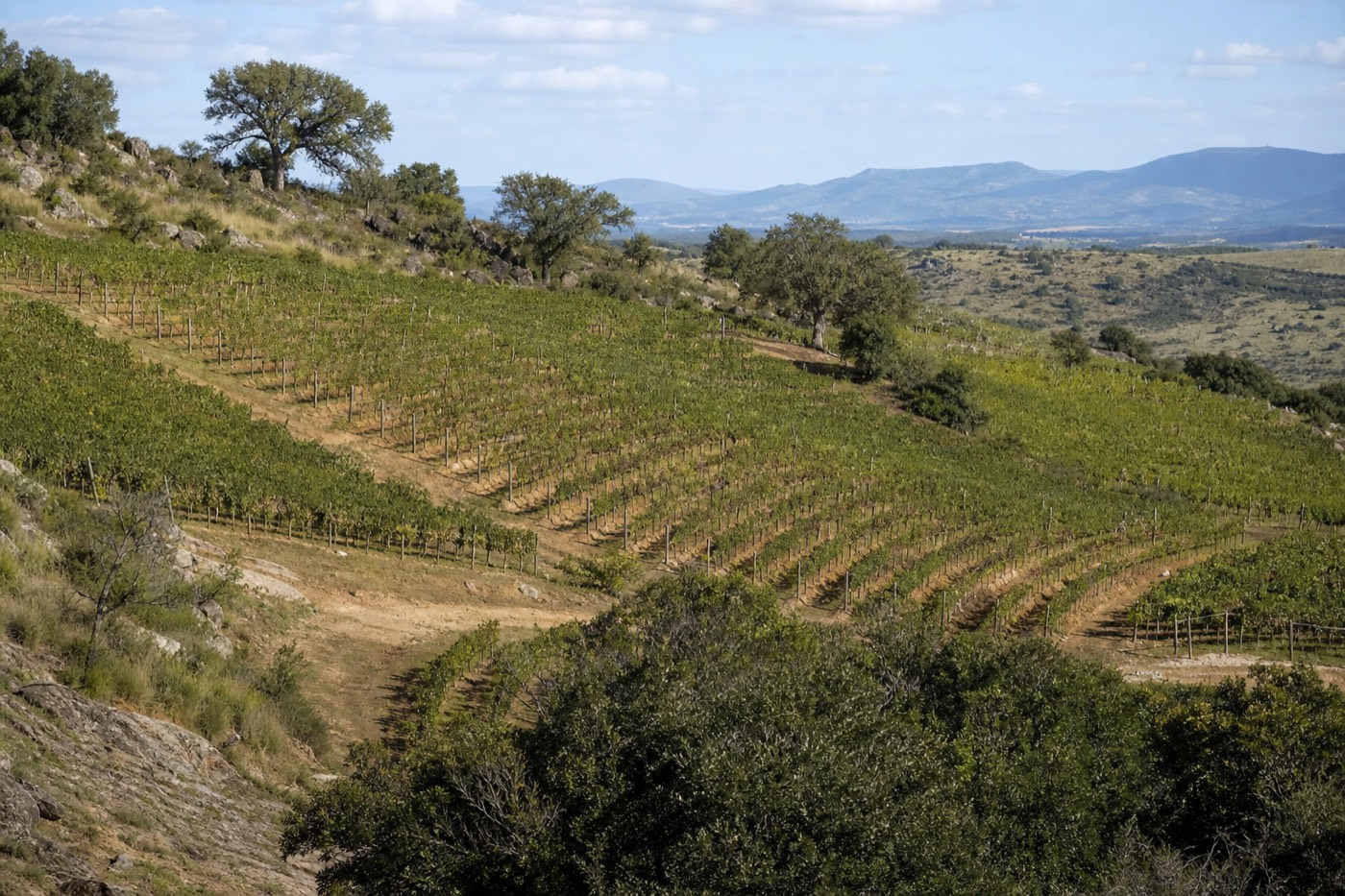
The grape itself, Uruguay’s signature Tannat, arrived from south-west France in the nineteenth century and became the national red almost by accident. It is tannic, dark and structured, and the modern Uruguayan versions are noticeably smoother than the reputation suggests. The coastal estates near Maldonado also plant Albariño and Merlot, which is why a tasting here rarely means four reds in a row.
| Option | Duration | Format | Price at the time of writing | Best for |
|---|---|---|---|---|
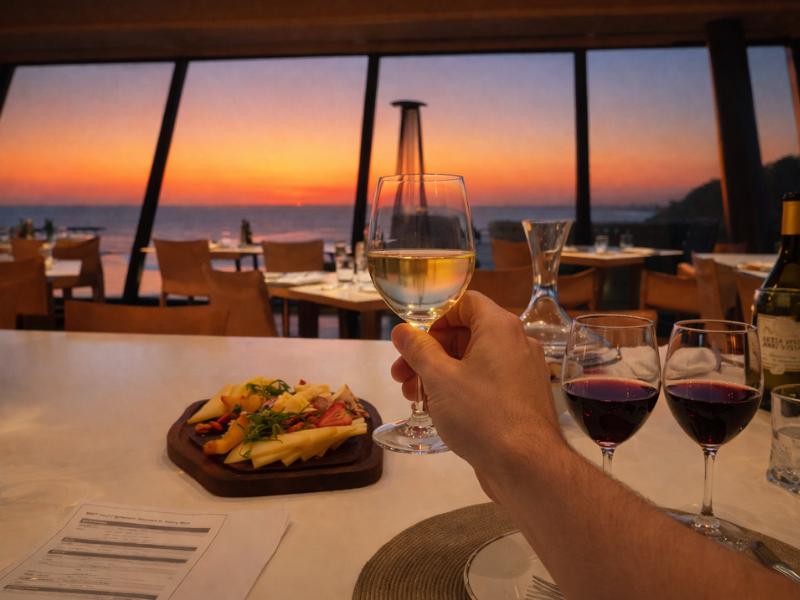
| Punta Wine Lovers Tour | 4 hours | Small group, hotel or port pickup at 10:30 | From $200 per person | A half day that leaves the afternoon free, and cruise passengers on a fixed clock |
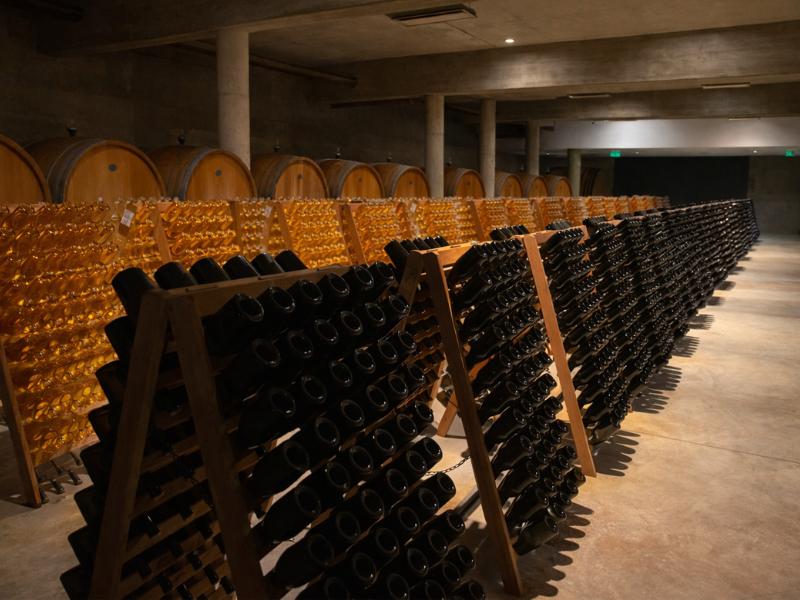
| Bodega Garzón Wine Lovers Tour | 7 hours | Private transport, group tour at the estate | From $200 per group | Two or three people who want the full estate day and four hours of leisure on site |
| Arranging a tasting yourself at Garzón | 1 to 2 hours on site | Booked direct with the winery | Roughly $60 to $120 per person for the tasting alone | Anyone with their own car who does not need transport |
The difference between the two tours is not quality, it is shape. The four-hour boutique run stays close to the coast, includes artisanal cheese with the tasting, and crosses the wavy bridge on the way. The Garzón day gives you a hour and a half of driving each way and four hours on the estate, with lunch at the wine bar paid separately. We have broken down what actually happens on that longer day in our Bodega Garzón walkthrough. Whichever you pick, book ahead: the winery manages daily visitor capacity and does not take walk-up groups in high season.
Can you visit the islands off Punta del Este?
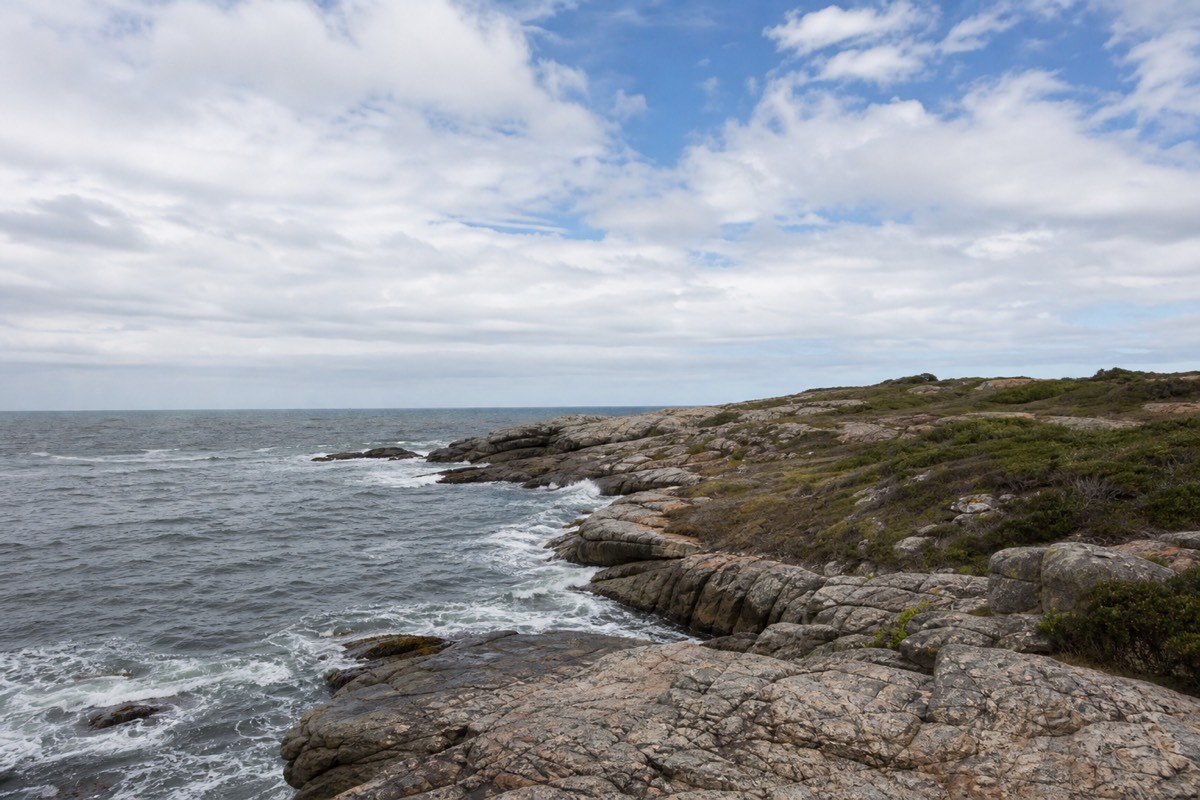
Isla Gorriti sits close offshore and has sheltered beaches that people reach by launch from the port. Isla de Lobos, further out, is a protected sea lion reserve and a lighthouse, and most visitors see it from the port breakwater or from the water rather than setting foot on it.
Be clear about one thing before you plan around this: none of the six tours we list is a boat trip. Our full-day guided run points out the Isla de Lobos lighthouse from the port and the private peninsula tours do the same, but a crossing is something you arrange separately at the harbour. We would rather say that plainly than let a page imply we sell something we do not.
Gorriti is the easier of the two. It lies a short crossing from the port, it has beaches on both its sheltered and exposed sides, and it is close enough that you can see it from Playa Mansa at sunset. Our island guide to Gorriti covers what is actually on it. Isla de Lobos is a different proposition: it holds one of the larger South American sea lion colonies in the region, and access is restricted for exactly that reason, which is covered in our guide to the Isla de Lobos colony.
The consolation is that you do not need a boat to see sea lions here. The animals colonised the dock structures at the port entrance years ago and are visible from dry land on almost any day of the year, usually within a few metres of the fish stalls. It is one of the few wildlife encounters anywhere that requires no ticket, no booking and no early start.
What is the coast east of town actually like?
It gets quieter and more expensive as you go. La Barra sits about ten kilometres east across the wavy bridge and runs on a bohemian, restaurant-led rhythm with a Sunday artisan market. José Ignacio is another thirty-five kilometres further, genuinely remote, and the place people mean when they say Punta del Este has become too busy.
This eastward drift is the most useful thing a second-time visitor learns. The peninsula is the classic Punta experience and the right base for a first trip, because you can walk to both beaches, the marina, La Mano and Gorlero without a car. Once you have done that, the interesting decisions are all east of the bridge.
| Base | Distance from the peninsula | Character | Best day to go | Time to allow |
|---|---|---|---|---|
| The peninsula | Zero, this is the centre | Walkable, both beaches, marina, Gorlero, hotels at every level | Any | A full day minimum |
| La Barra | About 10 km east, across the wavy bridge | Bohemian, restaurant-heavy, quieter beaches, art galleries | Sunday, when the artisan market runs | Half a day |
| José Ignacio | About 45 km east in total | Remote, low-rise, expensive, a lighthouse and long empty sand | Any, but book a table ahead in January | An afternoon and an evening |
| Punta Ballena, west | About 12 km west | Cliffs, Casapueblo, the arboretum, whale sightings in winter | Weekday morning | Half a day |
The Sunday timing at La Barra is not a soft preference. The Feria Artesanal opens on Sundays and public holidays only, roughly from mid-morning until sunset, so a Tuesday visit gives you a pretty bridge and a short detour instead of a destination. That is the single planning decision we repeat most often, and it is laid out properly in our La Barra guide. Further east, an afternoon out at José Ignacio is the correct antidote if the peninsula in high season is not what you came for.
What is there to do when it rains or the beach is out?
Quite a lot, which is the argument for coming outside high summer. Casapueblo's museum and cafe work in any weather and open year-round at 10:00. The Ralli Museum, a cellar tasting inland, and the old streets of Maldonado all hold up on a wet day, and the port stays interesting under an umbrella.
Rain here tends to arrive in short bursts rather than settling in for a week, so the practical approach is to keep one indoor block in reserve rather than rebuilding the whole day. A cellar visit is close to weatherproof by design. So is a gallery. The beach is the only part of the list that a grey morning genuinely cancels.
| Option | Weatherproof? | Allow | Note |
|---|---|---|---|
| Casapueblo museum and terrace cafe | Largely | 90 minutes | Opens at 10:00 year-round; rainy weekdays from May to October are the emptiest it gets |
| Ralli Museum | Fully | 90 minutes | Indoor galleries; confirm seasonal hours before setting out |
| Boutique winery cellar tasting | Largely | 4 hours | The vineyard walk gets wet, the cellar and tasting room do not |
| Bodega Garzón estate day | Largely | 7 hours | Long indoor cellar tour plus a wine bar; the drive is scenic in any weather |
| Maldonado old town | Partly | 60 minutes | Cathedral and the Cuartel de Dragones, short hops between shelter |
| Port and fish stalls | Partly | 45 minutes | Sea lions are indifferent to rain; you will need a jacket |
Winter adds one thing summer cannot offer. Southern right whales pass this stretch of coast in the colder half of the year, and the cliffs at Punta Ballena are a recognised vantage point. We do not currently list a dedicated whale-watching trip, so treat this as a bonus of visiting between roughly June and October rather than a bookable activity.
How many days should you spend in Punta del Este?
One full day covers the icons: La Mano, both beaches, Casapueblo and a walk around the peninsula. Two to three nights is the honest recommendation, because that is what it takes to add La Barra on a Sunday, a winery inland, and a sunset on the Casapueblo terrace without rushing any of them.
The day-trip case is strong and we will not talk anyone out of it. Ten to twelve hours door to door from Montevideo gets you the classic experience, and thousands of people do exactly that every season and leave satisfied. The cost is four to five hours in a vehicle and no evening. Punta del Este after dark is a different town, and a day trip never meets it.
The second night is where the trip changes character. You stop moving between landmarks and start using the place. That means an unhurried morning on Mansa, a late lunch, and the Casapueblo terrace at the hour when the building turns gold, which is the single most cited memory visitors report. A third night buys the eastward drift: La Barra, José Ignacio, or a full estate day inland.
Beyond three nights the calculation depends entirely on why you came. Beach holidays here run happily for a fortnight. Sightseeing trips do not, because the list of set-piece attractions is finite and you will have finished it. We have put the day-by-day version of this in our breakdown of how many nights to book.
What should you skip in Punta del Este, and why?
Skip a fifteen-minute Casapueblo photo stop, skip La Barra on any day that is not a Sunday if the market is your reason for going, skip Playa Brava as a swimming beach, and skip January entirely unless crowds and a party atmosphere are the point of your trip.
The Casapueblo one is the most common mistake we see. Coaches pull in, everyone photographs the white terraces from the lower level, and the group is gone in twenty minutes. That version of the visit is genuinely not worth the drive. The building only works when you go inside, follow the corridors, sit on a terrace and let the light change. If your schedule cannot spare ninety minutes, photograph it from the road and spend the time somewhere else.
The second skip is more about expectation than the place. Punta del Este is often sold as a quiet, elegant beach escape, and in January it is not that. Beaches fill by mid-morning, La Mano has a queue for photographs, restaurants want reservations, and accommodation runs fifty to a hundred percent above shoulder-season rates. None of that is a flaw if you want the buzz. It is a serious problem if you booked expecting calm, and it is the single thing first-timers most often get wrong.
Two smaller ones. Renting a car for a peninsula-only stay is usually a waste, because parking in summer is difficult and the centre is walkable. And treating the port purely as a lunch stop misses the sea lions, which are twenty metres away and free. If the whole question of whether the trip earns its place on your itinerary is still open, we set out both sides in our honest verdict on the destination.
How do things to do change by season?
December to February is hot, crowded and expensive, with air temperatures around 28 to 35 degrees and the full party season running. November and March to mid-April deliver warm days, a sea still comfortable for swimming, and accommodation and tours 30 to 60 percent cheaper. May to October is quiet, cool and museum weather.
Our advice to first-timers has been consistent for years: go in March or November rather than January. March keeps a warm sea, around 22 to 25 degrees, and empties out after Easter. November has the pre-summer calm, good light, and the lowest prices of the warm half of the year. In both months the beaches, La Mano, Casapueblo and the peninsula feel relaxed instead of contested.
| Period | Crowds | Prices | Conditions | What it is best for |
|---|---|---|---|---|
| December to February | Very high, peaking late December and February | 50 to 100 percent above shoulder rates | Hot, roughly 28 to 35 degrees, very warm sea | Nightlife, the social season, full beach-club energy |
| November | Low | Lowest of the warm months | Warm, roughly 22 to 28 degrees by day | Value, photography, quiet beaches before the rush |
| March to mid-April | Low, especially after Easter | 30 to 60 percent below high season | Warm days, sea around 22 to 25 degrees | The best all-round balance of weather and space |
| May to October | Lowest of the year | Lowest of the year | Cool and breezy; showers more likely | Museums, cellar tastings, whales off the Punta Ballena cliffs |
One caveat on the calendar. Uruguayan public holidays reshuffle all of this, and Carnival in February plus Semana Santa in March or April both pull domestic crowds to the coast for a few days at a time. If your dates are fixed, check them against the national calendar before assuming a shoulder month will be empty. The month-level detail sits in our guide to choosing when to come.
Recommended tours by season
Montevideo to Punta del Este: Full-Day Guided Tour
Nine hours from the capital, including Piriápolis, Casapueblo, the port, La Mano and Playa Mansa. The usual first-visit and December-to-February day trip.
Punta Wine Lovers Tour – Exclusive Tastings & Vineyard Day
Four hours from the coast, built as a half day. A fit for November and March, when you may not want to give the whole day to a tasting.
Bodega Garzón Wine Lovers Tour – Exclusive Tastings & Pairings
Seven hours with transport to the estate and several hours on site. A fit for May to October, when a long cellar visit is more useful than another beach.
Have It Your Way Private Tour in Punta del Este
Ten hours, private, starting from your hotel on the peninsula. Useful any month if you are already staying and want to set the order of stops.
How do you actually get around, and what does it cost?
The peninsula is walkable end to end, so a first-time visit needs no car. Everything beyond it, Casapueblo to the west and La Barra and José Ignacio to the east, needs a vehicle, a taxi or a tour. The bus from Montevideo runs every 30 to 60 minutes and costs roughly seven to twelve US dollars each way.
That split is the whole transport story. Within the peninsula you can reach both beaches, the marina, La Mano and Gorlero Avenue on foot from most central accommodation. Outside it, distances open up quickly: Casapueblo is about twelve kilometres west, La Barra about ten east, José Ignacio about forty-five. Uruguay's roads are excellent and tolls are modest, so driving is easy in principle. Parking on the peninsula in January is the reason people give up on it.
Coming from Montevideo, the direct buses from Tres Cruces run with COT, Turil, Rutas del Sol and COPSA, take two to two and a half hours, and drop you within walking distance of the centre. A private transfer covers the 130 kilometres in about an hour and a half to two hours and costs considerably more, but it goes door to door. The geography of the peninsula explains why the drive is scenic rather than functional: the road runs along the coast the whole way.
For most first visits the practical answer is a guided day. The nine-hour full-day run from Montevideo starts from $49 per person at the time of writing, has passed 11,156 bookings, and folds in Piriápolis and Casapueblo, the two stops independent travellers skip most often because of the transport hassle. If you are already staying on the coast, the private peninsula options and the wine days are the better fit, and all six sit together on the tours we feature. A quieter alternative for a half day west is the older resort town of Piriápolis, which most itineraries pass through without stopping.