Is Punta del Este Worth Visiting? An Honest Verdict
The short answer is yes, with two conditions attached: come outside January, and know which of the four trips on offer here you actually booked. Get either wrong and this coast disappoints people badly.
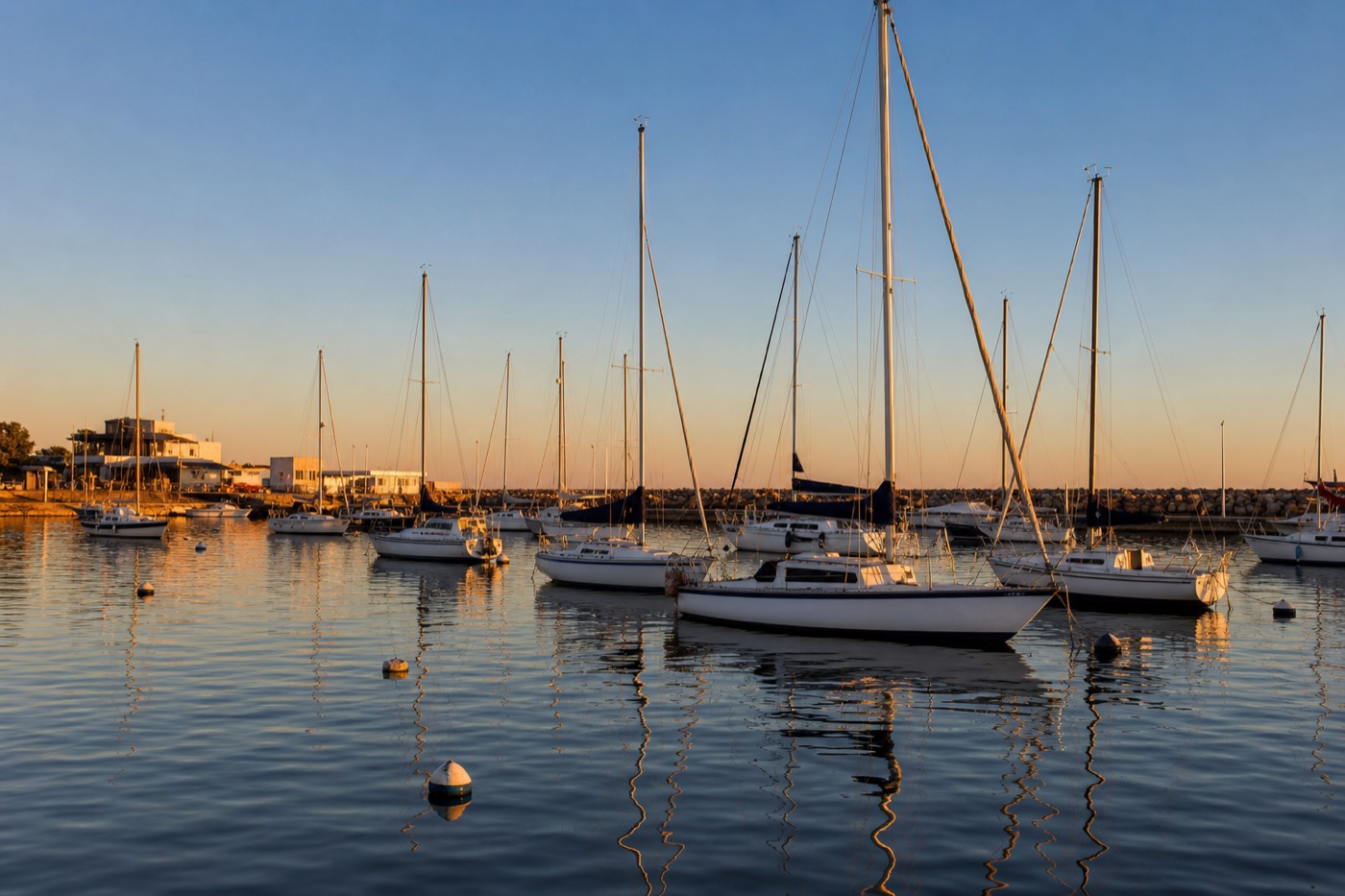
Worth it for you? Traveller priority against season
Our own read on the destination rather than a scored study. Ratings reflect crowd levels, pricing and what is genuinely open, not the quality of the coastline.
Is Punta del Este worth visiting?
Yes, for most travellers, but not in January and not for everyone. Punta del Este earns a visit for its beaches, for Casapueblo, for a sea lion colony you can walk up to, and for the Tannat country inland. It does not earn one if you want warm tropical water, cheap prices, or a quiet elegant resort in high summer.
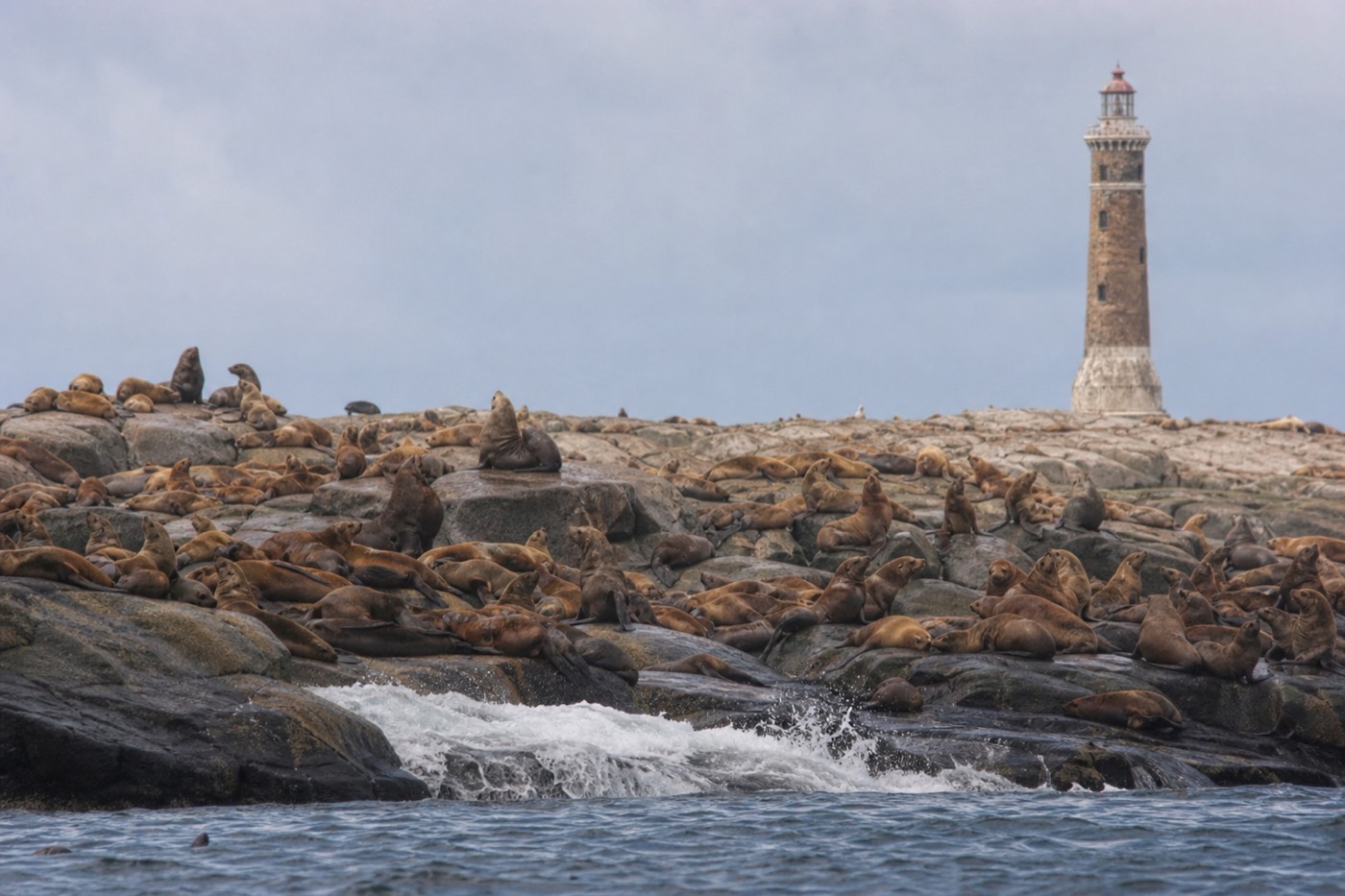
That is the short answer and we would rather lead with it than build up to it. The longer version depends almost entirely on two variables: which month you arrive in, and what you were expecting. Get either wrong and the place disappoints people badly. Get both right and it is one of the better coastal stops in South America.
Here is the pattern we see over and over. Visitors who come in March or November come back. Visitors who booked January expecting a peaceful beach escape describe an expensive, crowded resort operating at full capacity, which is exactly what it is at that time of year. Neither group is wrong about the place. They visited two different towns that happen to share a name.
| If you are | Our verdict | Best window | The catch |
|---|---|---|---|
| A couple after a beach week | Worth it | November, or March to mid-April | The same week in January costs a great deal more |
| Passing through on a wider South America trip | Worth one day | Any month | A day trip never meets the town after dark |
| A wine traveller | Worth it | February to March for harvest, or any shoulder month | Estates manage daily capacity and need booking ahead |
| Here for nightlife | Worth it in summer only | Late December to February | The rest of the year is a very quiet coastline |
| A family with young children | Worth it | November or March | Stay on the Playa Mansa side; Brava is not a swimming beach |
| Travelling on a tight budget | Worth it outside peak | November, March to April, or the cool months | Peak-week beds are priced for Buenos Aires weekenders |
| Here for wildlife and photography | Worth it | Shoulder months and winter | None of the tours we list is a boat trip to the islands |
The other thing worth setting straight early: this is not a place with a long list of set-piece attractions. The famous sights can be covered in a single day, and thousands of people do exactly that as a day trip from the capital. What takes longer to appreciate is the coastline itself, the architecture along the peninsula, and the drift east into quieter territory. If you only want a checklist, one day is enough and the trip is still worth taking.
Why is Punta del Este so famous?
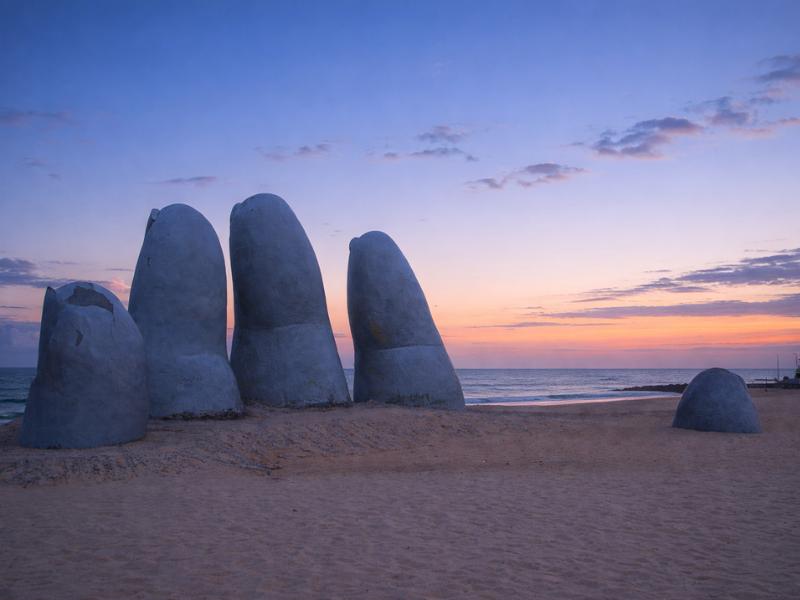
Punta del Este is famous because it became South America's status beach resort. It has a giant hand sculpture that photographs like nowhere else, a cliffside house built by an artist over five decades, a yacht marina, and a summer season that draws Argentina and Brazil at once. The nicknames follow from that: the Monaco of the south, the Hamptons of South America.
The fame is regional first and international second. For Argentinians in particular this is the summer destination, a two-hour hop across the river plus a road connection, and the peninsula fills with Buenos Aires accents every January. Brazilians arrive in numbers too. That domestic and near-neighbour demand is what built the restaurant scene, the nightlife and the property prices, none of which were driven by long-haul tourism.
La Mano supplied the visual shorthand. Mario Irarrázabal installed the five concrete fingers on Playa Brava in 1982, and the image travelled far further than the town did. Casapueblo supplied the cultural weight: Carlos Páez Vilaró started building on the cliffs at Punta Ballena in 1958 and kept adding for the rest of his life, producing a white sculpture you can walk through, sleep in and drink on the terrace of. The where the river meets the Atlantic gave it the last piece: two coastlines with opposite personalities inside one small town.
Fame, though, is not the same as suitability. Plenty of famous places are wrong for plenty of travellers, and the rest of this page is about which kind you are.
Why do people go to Punta del Este?
Four separate reasons, and they barely overlap. A summer beach holiday with social status attached. A single sightseeing day out of Montevideo. The art and architecture at Punta Ballena. Or the Tannat wine country inland. Most disappointment here comes from booking one of those trips while expecting another.
Our own booking pattern shows how lopsided this is. The nine-hour group day trip from Montevideo has passed 11,156 bookings. The four-hour boutique wine tour, aimed at people already staying on the coast, sits at 630. That is roughly twenty-five to one, and it tells you plainly that the dominant reason people come here is a day out from the capital rather than a stay.
The second group, the summer residents, are not really tourists. They take an apartment for a fortnight, use one beach, book the same restaurants, and would find the sightseeing question strange. The third group, the culture-first visitors, could happily spend two days between Casapueblo, the Ralli Museum and the sculpture parks and never sit on a beach at all. The fourth are here for the wine and treat the coast as accommodation.
Knowing which one you are settles most of the argument about whether the trip is worth it, because each of those four has a different best season, a different budget, and a different answer. We have laid out the full activity picture in our guide to things to do across the peninsula.
What is the honest case for going?
The case is that Punta del Este delivers four genuinely good things at once: a pair of beaches with opposite characters inside walking distance, one of the most unusual buildings in South America, free wildlife at the port, and a serious wine region an hour or two inland. Very few beach towns anywhere carry that mix.
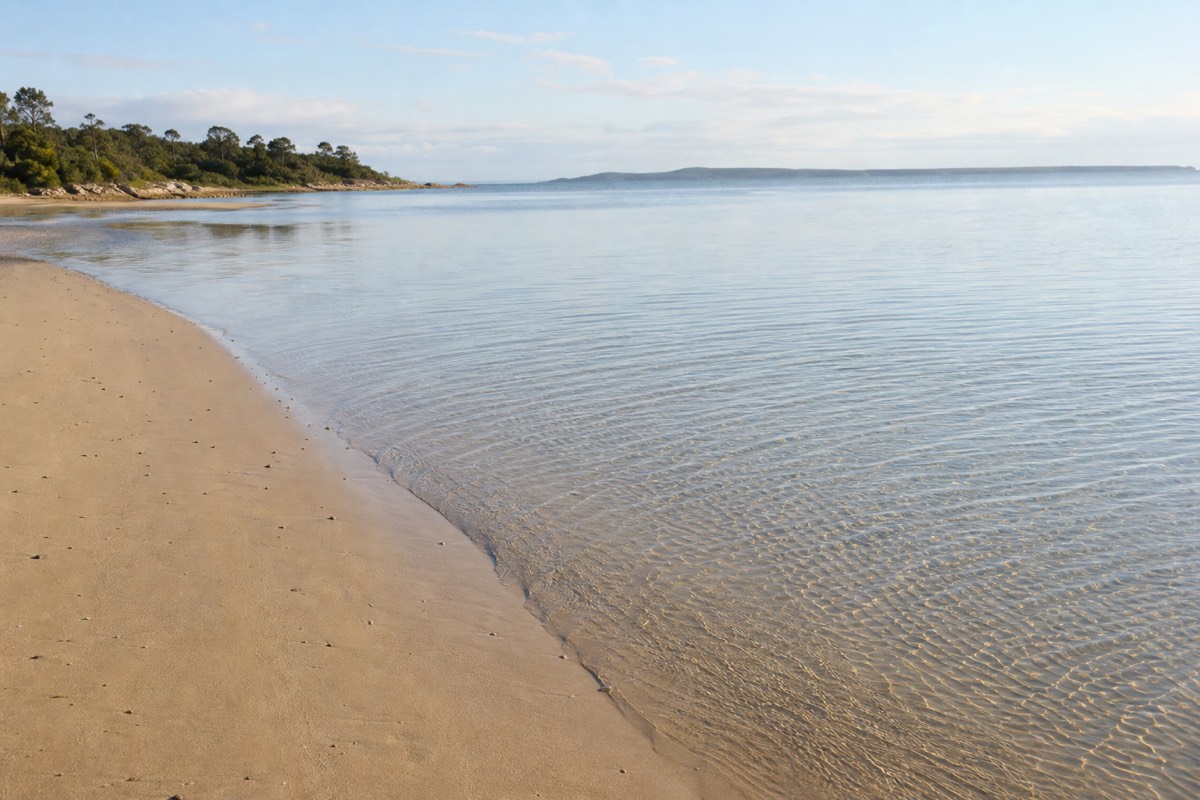
Start with the beaches, because they are the reason most people come. The peninsula splits the water in two. Playa Mansa faces west onto the river side and stays shallow and gentle, which is why families end up there. Playa Brava faces the open Atlantic with real swell and a strong undertow. Having both within a short walk means the weather rarely ruins a beach day: if one side is wild, the other is usually usable.
Then Casapueblo, which is the strongest single argument on this page. It is not a museum in a building, it is a building that became a museum, and the difference shows in every corridor. The terraces face west, the cafe is positioned for sunset, and the story of Páez Vilaró's life is inseparable from the architecture. Visitors who allow ninety minutes rather than fifteen consistently rate it the thing they remember longest. Our practical Casapueblo guide covers opening times and the crowd windows.
| What it gives you | Why it earns the trip | The honest limit |
|---|---|---|
| Two beaches with opposite characters | Sheltered swimming and open Atlantic surf, twenty minutes apart on foot | The water is cool rather than tropical and Brava carries a real undertow |
| Casapueblo | A house built as a sculpture over five decades, with a west-facing terrace cafe | Needs 90 minutes; the fifteen-minute photo stop wastes the drive |
| Sea lions at the port | Free wildlife on dry land, no boat, no booking, no season | Loud and pungent; the islands themselves need a boat you book separately |
| Tannat country inland | A recognised wine region within an hour or two of the sand | Compact and young by international standards |
| La Mano | Free, unticketed, open at any hour, and the most recognised image of Uruguay | It is a thirty-minute stop, not an afternoon |
| A walkable peninsula | Both beaches, the marina and the main street on foot from most hotels | Everything beyond the peninsula needs a car, a taxi or a tour |
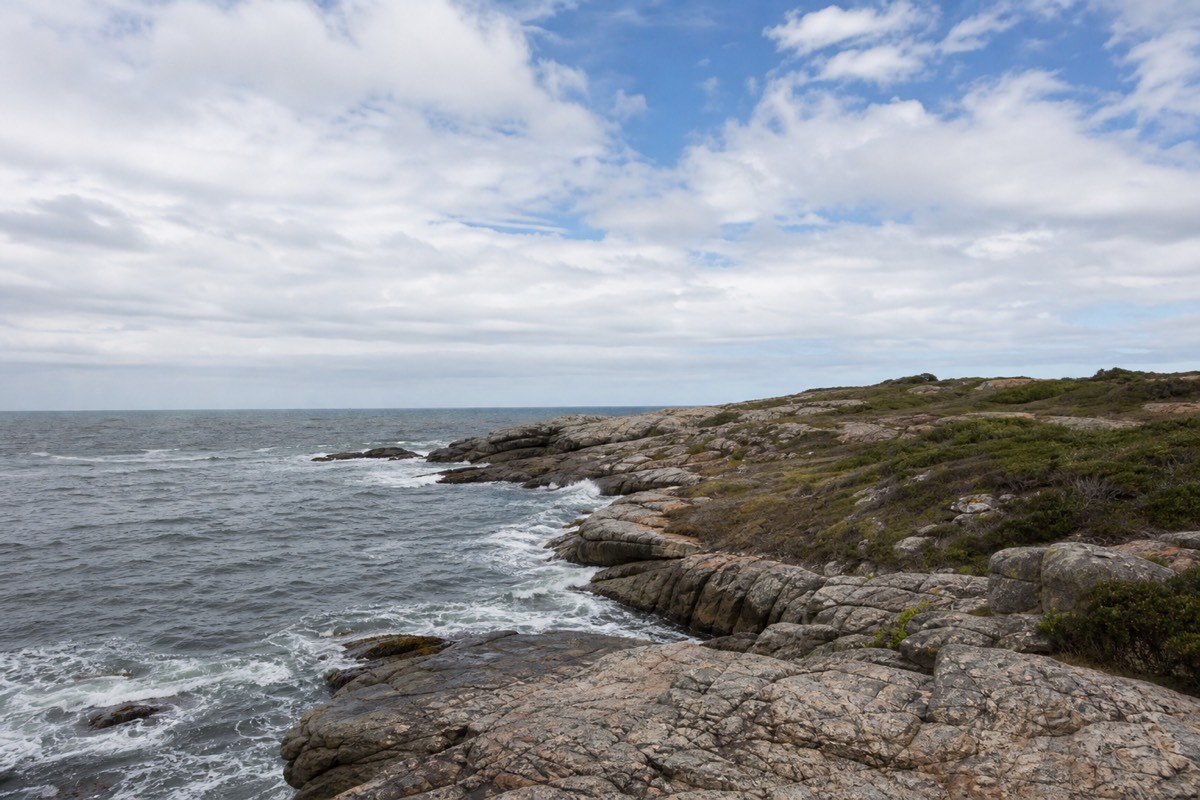
The port adds something no itinerary planner arranges. Sea lions colonised the dock structures at the harbour entrance and stayed, so a wildlife encounter that would cost money and a boat almost anywhere else costs nothing here and requires no booking. Further out, the lighthouse on the protected colony at Isla de Lobos is visible from the same breakwater on a clear day. Add the inland wine country, and the case is complete: this is a beach town with genuine range.
What is the honest case against?
Three real problems. High season is genuinely crowded and expensive, with accommodation running 50 to 100 percent above shoulder rates. The Atlantic here is cool, not tropical. And the set-piece attraction list is short, so a week of pure sightseeing will run out of material after two days.
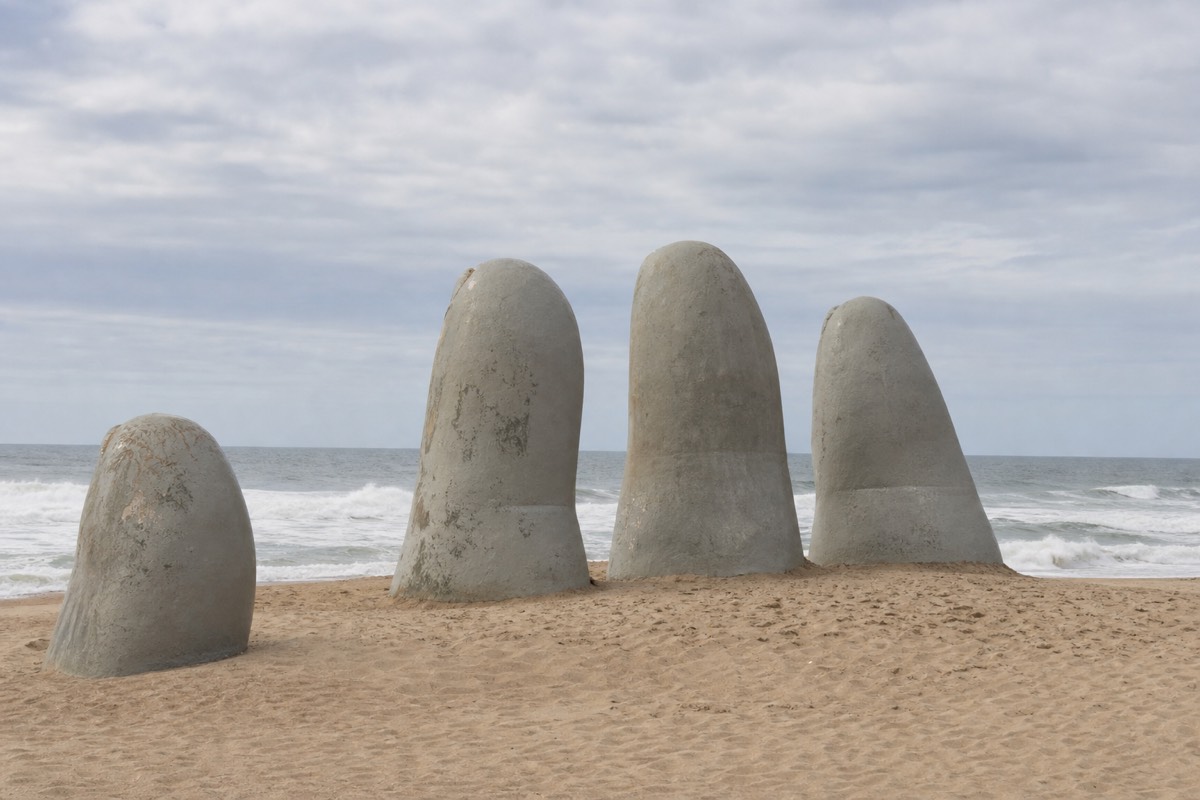
The crowding is not a minor grumble. From late December to mid-February the beaches fill by mid-morning, La Mano collects a queue for photographs, restaurants want reservations, parking on the peninsula becomes a project, and the nightlife runs at an intensity that some visitors love and others find unbearable. Christmas through New Year and the February Carnival period are the two spikes inside that spike.
The water is the second honest caveat. This is the South Atlantic where it meets the Río de la Plata, not the Caribbean. The sea sits around 22 to 25 degrees in March and April, which is comfortable rather than warm, and Playa Brava carries an undertow strong enough that red flags go up routinely. Anyone picturing bathwater and a coral reef has the wrong ocean.
| What people arrive expecting | What is actually true |
|---|---|
| A quiet, elegant beach escape | True in November and March. In January it is a resort running at full capacity |
| Warm tropical water | South Atlantic conditions, around 22 to 25 degrees at their best in March and April |
| Cheap South American prices | Transport and tours are inexpensive; peak-week accommodation runs 50 to 100 percent higher |
| A week of sightseeing | The set-piece attractions fit comfortably into one or two days |
| Monaco, Miami or Saint-Tropez | Marketing shorthand. It is a Uruguayan resort town with one extraordinary building |
| An undeveloped stretch of coast | The peninsula is built up with high-rise apartment blocks; the empty sand starts further east |
The third point is about pacing. The famous sights fit into one day. That is a feature for day-trippers and a problem for anyone who books five nights of sightseeing and then discovers the checklist is finished by Tuesday afternoon. The fix is to plan the trip as a beach holiday with cultural days attached rather than the reverse. Prices are the fourth item, and we treat those separately below and in more detail in our note on what the destination actually costs.
Who should skip Punta del Este?
Skip it if you want nightlife outside December to February, because the party season is a summer phenomenon and the town in June is a very quiet place. Skip it if you expect warm tropical water. Skip it if you are travelling on a tight backpacker budget in January, when accommodation runs at its yearly peak.
Those three are the clearest cases, and none of them is a criticism of the destination. They are mismatches. A traveller who wants clubs and beach bars in July will find a handsome, empty coastline and wonder what the fuss was about. A traveller who wants a Caribbean swim will find a bracing Atlantic. A backpacker arriving in the first week of January will find a resort priced for people who own boats.
| If you are | Why it may not work | Better move |
|---|---|---|
| After nightlife, travelling outside summer | The club and beach-bar scene runs in high season; the winter town is quiet by design | Come between late December and February, or pick a city with year-round nightlife |
| Expecting tropical, warm water | The sea runs around 22 to 25 degrees at its best, and Brava has a strong undertow | Head north to Brazil, or come in January and February when the sea is at its warmest |
| Backpacking on a tight budget in January | Accommodation and food run 50 to 100 percent above shoulder rates in peak weeks | Visit in November or March, when the same trip costs 30 to 60 percent less |
| Looking for a long museum-and-monument city break | The set-piece sights fit comfortably into one or two days | Base in Montevideo and take a day trip out to the coast instead |
| Wanting an untouched, undeveloped coast | The peninsula is a built-up resort with high-rise apartment blocks | Go straight east to José Ignacio, or further up the Atlantic coast |
| Travelling with very small children in peak weeks | Crowded beaches, difficult parking and long restaurant waits | Come in November or March and base yourself on the Playa Mansa side |
One more group deserves a mention: people who dislike being sold a nickname. Punta del Este gets marketed as the Monaco, the Miami and the Saint-Tropez of South America, sometimes all three in one paragraph. It is none of them. It is a Uruguayan resort town with excellent beaches, one extraordinary building and a strong regional social season, and travellers who arrive with that description in their heads tend to be the happiest.
Is Punta del Este just another beach town?
No, and the difference comes down to three things an ordinary beach town does not have: a house-sized sculpture you can walk through at Punta Ballena, two coastlines with completely different sea conditions inside one small peninsula, and a recognised wine region within a couple of hours inland.
Strip those out and what remains is indeed a good but unremarkable resort. That is worth admitting, because the sand itself is not what makes this place. Uruguay has long Atlantic beaches in both directions, several of them quieter and some of them prettier. Punta del Este wins on what surrounds the sand.
The two-coastline point is the one visitors notice fastest and the one most write-ups underplay. Standing on the peninsula you can see flat, sheltered water on one side and Atlantic rollers on the other, twenty minutes apart on foot. That has practical consequences all week: swimming and family time on one side, surfing and long windy walks on the other, and a fallback whenever the wind turns. We break the comparison down properly in our head-to-head on the two beaches.
The wine dimension is the newest of the three. Uruguay's wine industry has attracted serious money since the early 2000s, and the hills inland from the coast now hold estates that people plan whole trips around. A beach town that also puts you within reach of that is doing something most beach towns cannot. Our overview of the wine country behind the coast covers the geography.
Recommended tours by season
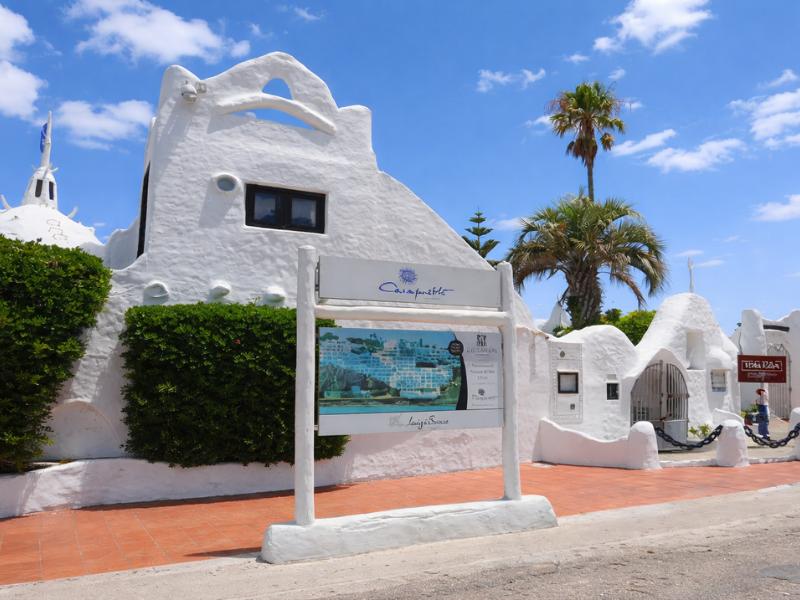
Montevideo to Punta del Este: Full-Day Guided Tour
The year-round group day from the capital. Nine hours with Piriápolis, Casapueblo, the port, La Mano and Playa Mansa.
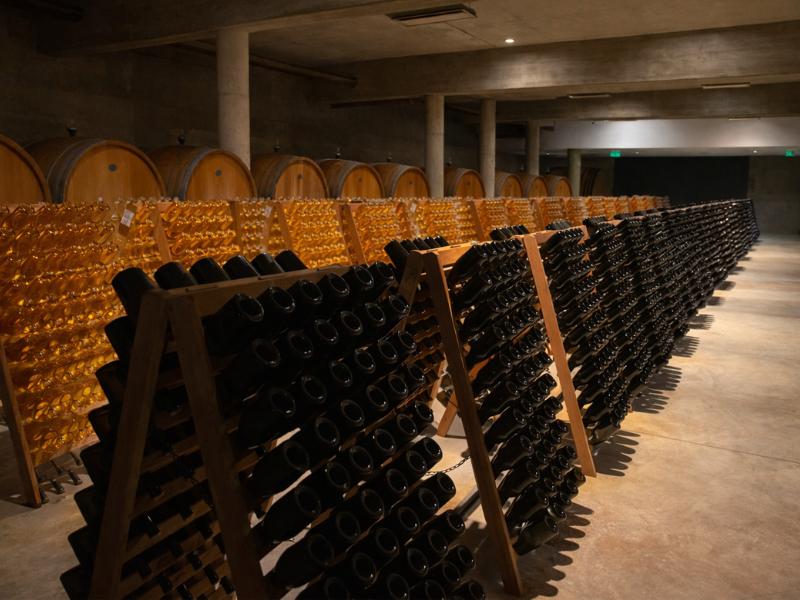
Bodega Garzón Wine Lovers Tour – Exclusive Tastings & Pairings
A seven-hour inland day for February and March harvest, or any shoulder month when you want a full estate visit.
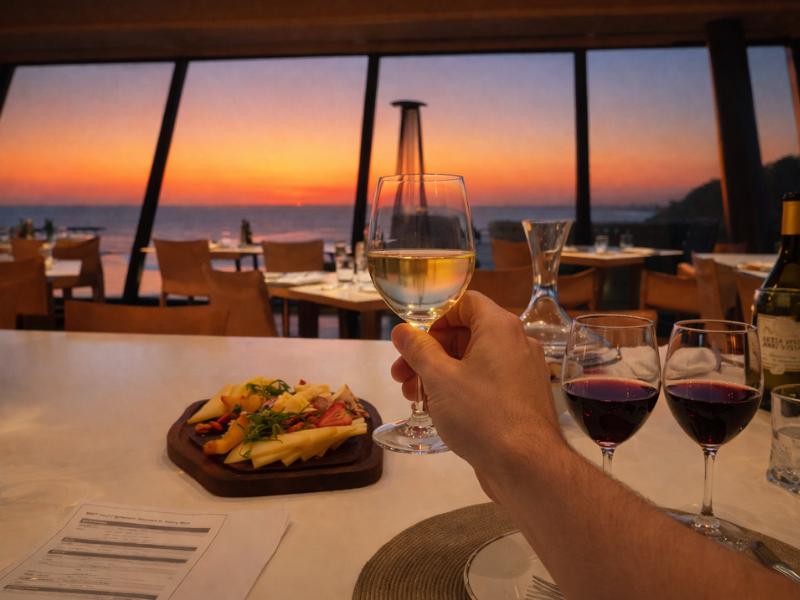
Punta Wine Lovers Tour – Exclusive Tastings & Vineyard Day
Four hours from the coast to a boutique cellar. The format that still works from May to October, when swimming is off the table.
Have It Your Way Private Tour in Punta del Este
Ten flexible hours for visitors already staying on the peninsula, in any month, with the day's stops set around your pace.
What is the off-season genuinely like?
Calmer and cheaper, with the scenery entirely intact. From May to October the beaches are spacious, prices sit at their lowest, and Casapueblo still opens at 10:00 every day. What goes missing is swimming weather and the summer social scene, both of which are genuine losses if they were your reason for coming.
We want to be careful here, because off-season write-ups tend to go one of two dishonest ways: either everything is shut, or nothing has changed. Neither is true. The architecture, the coastline, the museums, the port and the wine estates are all fully accessible outside summer, and rainy weekdays between May and October are the emptiest Casapueblo ever gets. The town, however, is unmistakably in low gear.
| Period | What the town is doing | Conditions | Prices | Our read |
|---|---|---|---|---|
| December to February | Everything open and running at capacity, nightlife at full volume | Hot, roughly 28 to 35 degrees, warmest sea of the year | 50 to 100 percent above shoulder rates | Come only if the crowds are the point |
| November | Open and quiet, before the season arrives | Warm days, roughly 22 to 28 degrees | Lowest of the warm months | The best value warm month of the year |
| March to mid-April | Open, and noticeably emptier after Easter | Warm days, sea still around 22 to 25 degrees | 30 to 60 percent below high season | The strongest all-round window |
| May to October | Coastline, museums and cellars fully accessible; the summer social scene is dormant | Cool and breezy, showers more likely | Lowest of the year | For architecture, wine and whales, not for swimming |
Winter does add one thing summer cannot. Southern right whales pass this stretch of coast in the colder half of the year, and the cliffs at Punta Ballena are a known vantage point. We do not list a dedicated whale-watching trip, so treat that as a bonus of the season rather than something you can book through us.
The shoulder months are where our actual recommendation sits. November and March through mid-April keep warm days of roughly 22 to 28 degrees, a sea still comfortable enough to swim in, and prices 30 to 60 percent below high season, while the beaches, La Mano and Casapueblo feel relaxed instead of contested. That combination is why repeat visitors cluster in those two windows, and why our month-by-month timing guide keeps landing on the same answer.
What does a trip to Punta del Este actually cost?
Getting here is cheap and staying here is not. The bus from Montevideo costs roughly seven to twelve US dollars each way, and a full-day guided tour starts from $49 per person at the time of writing. Accommodation is where the money goes, running 50 to 100 percent above shoulder rates during peak weeks.
That asymmetry is the key to budgeting a visit. Transport and tours here are priced at Uruguayan levels, which are modest by South American standards and very modest by European ones. Beds, restaurant tables and beach service in January are priced at resort levels aimed at Buenos Aires weekenders. Shift the same trip to November and the second half of that equation changes completely.
| Item | Typical figure at the time of writing | Notes |
|---|---|---|
| Bus, Montevideo to Punta del Este | Around $7 to $12 US each way | Direct from Tres Cruces terminal, every 30 to 60 minutes, two to two and a half hours |
| Private transfer from Montevideo | Roughly $100 to $200 US per vehicle | About 130 km on the Ruta Interbalnearia, an hour and a half to two hours door to door |
| Full-day group tour from Montevideo | From $49 per person | Nine hours including Piriápolis, Casapueblo, the port, La Mano and Playa Mansa |
| Private day tour from Montevideo | From $169 to $180 per group | For two people that works out below two seats on the group tour, with door-to-door pickup |
| Private peninsula tour, based locally | From $280 per group | Ten flexible hours for visitors already staying on the coast |
| Wine tours | From $200 | Four hours per person at a boutique winery, or seven hours per group at Bodega Garzón |
| Beach chair and umbrella | Around 500 to 1,000 Uruguayan pesos a day | Bring small notes; card payment is not a given on the sand |
| La Mano sculpture | Free | Public beach, no ticket, no gate, open at any hour |
Prices are current as of early 2026 and move with season and group size, so check the live listing before booking anything. The pattern to hold on to is simple: the fixed costs of reaching and seeing Punta del Este are low, and the variable costs of staying in it during peak weeks are high. Almost every complaint we read about the destination being overpriced comes from someone who visited in the first six weeks of the year.
Is it worth going to Punta del Este as a day trip?
Yes, and for a lot of travellers it is the smartest version of the trip. Ten to twelve hours from Montevideo covers La Mano, both beaches, Casapueblo and the peninsula, which is the whole classic experience. You pay for it with four to five hours in a vehicle and by missing the evening entirely.
The numbers back this up. The vast majority of visitors to Punta del Este arrive from Montevideo or Buenos Aires for a single coastal day rather than a stay, and the most-booked product we list is exactly that: a nine-hour guided run that has passed 11,156 bookings at $49 per person. It exists at that scale because it fits how people actually travel here.
| Format | What you get | What you give up | Best for |
|---|---|---|---|
| Day trip from Montevideo | All the icons in one run, no accommodation cost, guide handles logistics | The evening, the sunset terrace, any sense of pace | Anyone based in the capital, cruise passengers, tight schedules |
| One or two nights on the peninsula | Both beaches properly, a Casapueblo sunset, dinner and the nightlife | The eastern coast and the wine estates inland | First-time visitors who want more than a checklist |
| Three or more nights | La Barra on a Sunday, José Ignacio, a full winery day, real downtime | Budget, if the dates fall in high season | Beach holidays, wine trips, repeat visitors |
Where the day trip clearly loses is atmosphere. This town changes after dark, and a coach heading back to Montevideo at half past six never meets that version of it. If your honest answer to "is Punta del Este worth visiting" is "worth a look but not a week", the day trip is the correct shape of visit, and guided day runs from Montevideo are the efficient way to take it.
Is Punta del Este worth visiting for the wine alone?
For a serious wine traveller, close to it. Uruguay's Tannat is a distinctive red that is now taken seriously outside the country, the estates inland are within an hour or two of the coast, and Bodega Garzón in particular draws visitors who plan whole trips around a tasting appointment.
The honest qualifier is that this is not Mendoza or the Douro in scale. The region is compact and young by international standards, with real investment arriving mostly since the early 2000s. What it offers instead is access: you can be on a beach in the morning and in a cellar by lunchtime, which very few wine regions allow.
Two shapes of visit work. The four-hour boutique run picks you up at 10:30, crosses the wavy bridge into La Barra, and spends the time at a small family winery with a vineyard and cellar tour, Tannat tastings and artisanal cheese included. It rates 4.9 across 630 bookings and suits anyone who wants their afternoon back, including cruise passengers on a fixed clock. The seven-hour Garzón day is the other end: private transport, an hour and a half of driving each way, a group tour of the estate, and four hours of leisure on site with lunch paid separately. It carries a 5.0 rating across 441 bookings.
If you would rather arrange a tasting directly with the winery, standard experiences there have run roughly $60 to $120 per person depending on the format, with transport from the coast a separate cost. Book ahead either way, because the estate manages daily visitor capacity and does not accommodate walk-up groups in high season. Our walkthrough of the Bodega Garzón day covers what actually happens on site.
Who does Punta del Este suit best?
It suits travellers who want a good beach with something behind it: architecture, wildlife, wine and a walkable town. It suits couples and small groups in November or March. It suits families on the Playa Mansa side outside peak weeks. And it suits anyone in Montevideo with one spare day.
The common thread is flexibility about timing. Almost every criticism of this destination dissolves when you move the dates, and almost every complaint we read traces back to the first six weeks of the year. That is not a defence of the place so much as a description of how it works: one town, two very different operating modes, and a price gap of 30 to 60 percent between them.
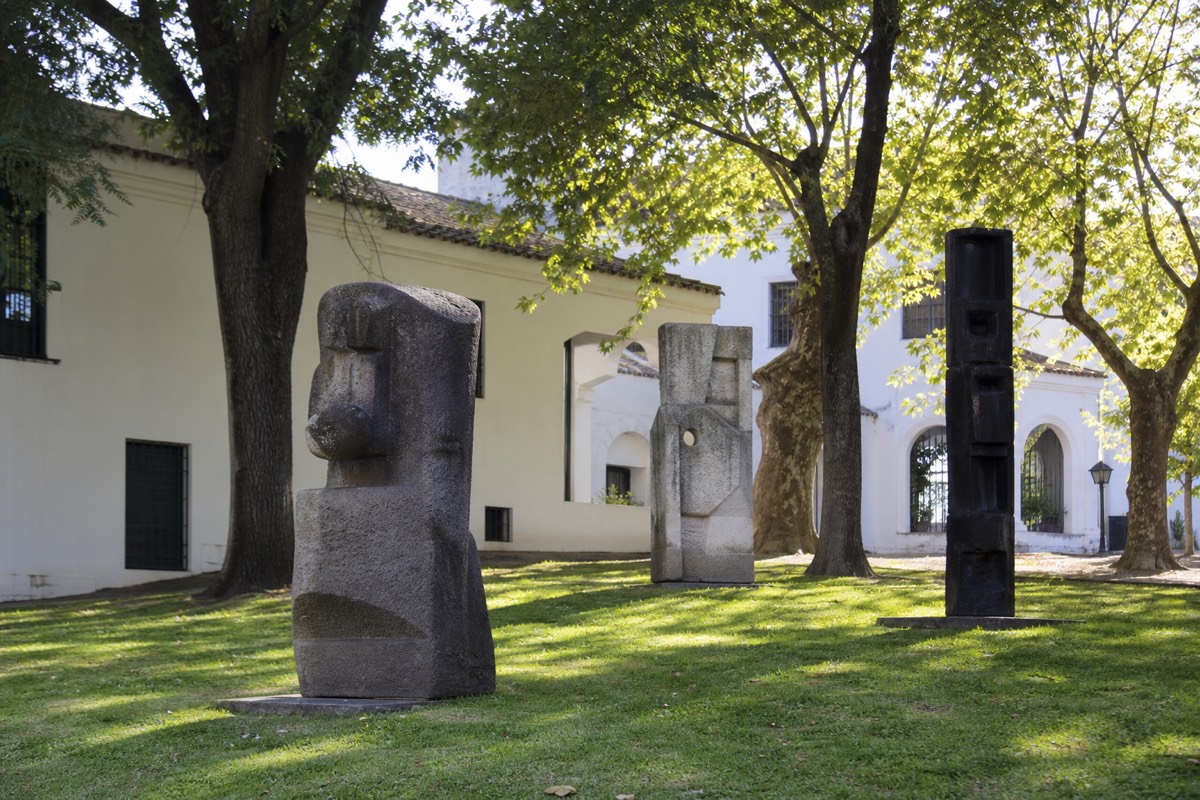
It suits the culturally curious more than its beach-resort reputation suggests. A visitor who cares about buildings will get more out of Casapueblo than out of the whole rest of the coast, and the sculpture parks and galleries along the road east extend that into a proper second day. Uruguay's national tourism board keeps a useful overview of the country's regions for anyone weighing the coast against the interior.
It suits solo travellers well, too. This is one of the safer beach destinations in South America, with ordinary big-town precautions rather than unusual risks, and the peninsula is compact and well lit. We cover that properly in our note on how safe the town actually is, and the after-dark side in our read on the summer nightlife. If you want the peninsula on your own schedule rather than a coach's, the private and small-group options all sit together among the guided experiences we feature, and the quietest version of the whole idea is an afternoon out at José Ignacio.